
Size
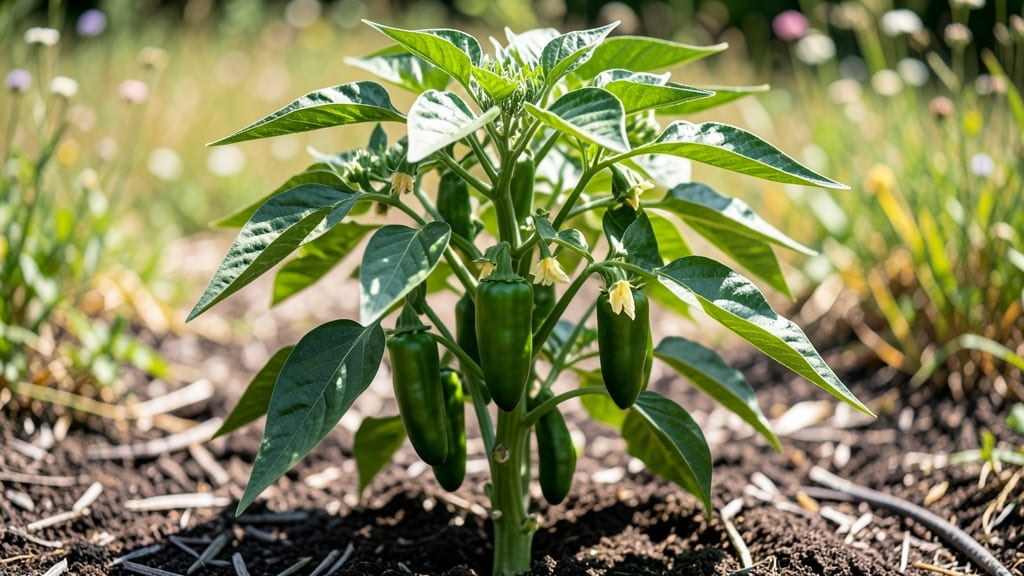
How to grow jalapeños from seed means fiery harvests in just 90 days—no greenhouse needed. 🌱 I learned the hard way that these peppers demand heat, patience, and the right conditions, but once you crack the code, they reward you with bushels of spicy goodness. The secret isn’t complicated: start early indoors, transplant carefully, and mimic their native desert environment once they’re outside.
You’ll need full sun (6+ hours daily), well-draining soil (think cactus mix or amended garden beds), and consistent moisture—but never soggy roots. Jalapeños thrive in warm climates (zones 9-11) but can be grown in cooler areas with proper timing and protection.
The key is warmth: seeds need 80°F+ to germinate, and plants won’t set fruit below 60°F. That’s why starting them indoors in late winter gives them a head start.
By midsummer, you’ll be harvesting bright green peppers that turn red when fully ripe—each one packing serious heat. The plants stay productive for months if you prune regularly, pinch off early blooms to encourage bushier growth, and hand-pollinate when bees are scarce.
Even my first attempt yielded enough for salsas, pickles, and spicy snacks that had neighbors asking for recipes.
Troubleshooting is half the fun: yellow leaves? Check your watering. Few peppers? Hand-pollinate with a paintbrush. Slow growth? Boost nitrogen. The beauty of jalapeños is how forgiving they are once you meet their basic needs—just don’t skimp on the sunlight or warmth.
Ready to turn your garden into a spice factory?
📚 In This Guide
- What you need
- Instructions
- Tips and common mistakes
- Wrapping up and next steps
What you need
- ● Jalapeño seeds: 5–10 seeds (or 3–5 starter plants from a nursery). Choose heirloom or hybrid varieties like 'Early Jalapeño' or 'Jalapeño M' for reliability.
- ● Containers (if not planting in-ground): 5-gallon pots (1 per plant) with drainage holes, or
- ● A raised bed (at least 12" deep, 18" wide).
- ● Potting mix: 1–2 bags of well-draining soil blend (e.g., 60% potting soil + 40% perlite/compost). Avoid garden soil—it’s too dense!
- ● Fertilizer: Balanced starter fertilizer: 5–10–10 or 10–10–10 (follow package rates).
- ● Organic option: Fish emulsion or compost tea (diluted per instructions).
- ● Watering can or hose: With a gentle spray nozzle (jalapeños hate soggy roots!).
- ○ Support system (optional but helpful): Cage or stake (5–6 ft tall) to train vines.
- ● Trellis (for vertical growth in small spaces).
- ● Climate: Jalapeños thrive in USDA Zones 8–11. For cooler zones, start seeds indoors 8–10 weeks before the last frost.
- ● Sunlight: Full sun (6–8+ hours daily). Partial shade in extreme heat (100°F+) can help prevent blossom drop.
- ● Temperature: Ideal soil temp: 70–85°F for germination.
- ● Avoid planting until night temps stay above 55°F.
- ● pH Level: 6.0–7.0 (test soil with a kit or adjust with lime/sulfur if needed).
- ● Water: Keep soil consistently moist (not waterlogged). Drip irrigation or soaker hoses work best.
- ● Soil prep: Mix in 1 cup of compost per square foot of planting area for extra nutrients.
- ● Seed starting: Use biodegradable pots to avoid transplant shock when moving seedlings outdoors.
- ○ Pruning: Pinch off flowers on the first 3–4 nodes to encourage bushier growth (optional but increases yield!).
- ● Pest control: Keep neem oil or insecticidal soap handy for aphids or spider mites.
Step-by-step instructions for growing jalapeños from seed
Here's how I grow bold, productive jalapeños—no greenhouses or fancy gear required.
🌱 Step 1: Start Seeds Indoors 8-10 Weeks Before Last Frost
Fill 2-3 inch deep seedling trays with moistened seed-starting mix (not garden soil) and press gently to settle. Jalapeño seeds germinate best at 75-85°F, so I use a seedling heat mat underneath the tray. Plant seeds ¼ inch deep, two per cell, and cover lightly with more mix—don't press down or you'll bury them too deep.
Mist the surface with a spray bottle until evenly damp, then cover the tray with plastic wrap to retain warmth and humidity. Place in indirect light (no direct sun yet) and check daily. Germination takes 7-14 days—I know it's working when the plastic fogs up from the heat and moisture. Once sprouts appear, remove the wrap immediately to prevent damping-off.
☀️ Step 2: Provide Bright Light and Harden Off Seedlings
Jalapeños need 12-14 hours of light daily from day one. Move seedlings under grow lights or to a south-facing window within 4 inches of the glass. Without enough light, seedlings stretch (leggy growth) and become weak—you'll see them leaning toward the light with pale stems and sparse leaves.
After 2-3 weeks, when seedlings have 2-3 true leaves, begin hardening off. Place them outside in a sheltered spot for 1-2 hours the first day, gradually increasing time over 7-10 days until they're out all day. This toughens their skin and prepares them for transplanting.
🪴 Step 3: Transplant to Warm Soil After All Frost Risk
Choose a sunny spot with 6+ hours of direct sun daily—jalapeños thrive in full sun and heat. Amend the soil with compost to improve drainage, as jalapeños hate soggy roots. Transplant seedlings 12-18 inches apart in rows 18-24 inches apart, burying them slightly deeper than their original pots to stabilize stems.
Water deeply at transplanting to settle the soil, then let it dry slightly before watering again. Mulch around plants with 2-3 inches of straw or grass clippings to retain moisture and suppress weeds. Avoid fertilizing immediately—jalapeños need time to establish roots before heavy feeding.
💧 Step 4: Maintain Consistent Water and Fertility
Keep soil evenly moist but not soggy—jalapeños need 1-1.5 inches of water weekly, more in extreme heat. Water at the base (not overhead) to prevent fungal diseases like powdery mildew. You'll know moisture is right when the top 1-2 inches of soil feel dry to touch.
Feed plants every 3-4 weeks with a balanced fertilizer (10-10-10) or a tomato/pepper-specific mix. Stop fertilizing 4-6 weeks before harvest to encourage fruit ripening. Prune suckers (side shoots in leaf axils) to direct energy to fruit production—this keeps plants bushy and productive.
✂️ Step 5: Harvest and Encourage Continuous Production
Harvest jalapeños when they reach 3-5 inches long and feel firm to the touch. Use pruning shears to cut stems, leaving ¼ inch of stem attached to prevent disease entry. The more you harvest, the more the plant produces—this is the key to a continuous harvest.
If plants stop fruiting in late summer, pinch off flowers to redirect energy to roots. This rejuvenates the plant for a possible fall harvest if your climate stays warm. Store harvested peppers in the fridge for up to 2 weeks or freeze them whole for later use.
Tips & tricks for growing bold jalapeño plants
These pro-level insights will help you avoid common pitfalls and maximize your spicy harvest from seed to table.
Seedling Heat Secret: That 75-85°F range for germination is non-negotiable—any cooler and seeds may take weeks to sprout, if at all. I've found that placing the seedling tray on top of my fridge (where it stays warm) works perfectly when I don't have a heat mat. The key is maintaining consistent warmth during those critical first 7-14 days while keeping the soil moist but not soggy.
Lighting Strategy: Those 12-14 hours of daily light are essential for preventing leggy seedlings. If your south-facing window isn't sufficient, invest in a basic LED grow light on a timer—it's a game-changer. I position mine just 4 inches above the seedlings and run it from 6am to 8pm. Watch for seedlings leaning toward light; this means they're stretching and need more intensity or closer placement.
Transplanting Technique: Burying seedlings slightly deeper than their original pots might seem counterintuitive, but it actually strengthens stems and prevents toppling. After transplanting, I water deeply to settle the soil and always add 2-3 inches of straw mulch immediately. This creates a stable base while conserving moisture—critical for jalapeños that hate soggy roots.
Fertilizing Timeline: The 4-6 week pause before harvest is crucial for flavor development. I switch to a pepper-specific fertilizer (higher in phosphorus) about 6 weeks after transplanting, then taper off completely. This shift helps direct energy to fruit production rather than leaf growth. The key is consistency—never let the soil dry out completely between feedings.
Pro Tips for Grow Jalepenos
- These pro-level insights will help you avoid common pitfalls and maximize your spicy harvest from seed to table.
- Seedling Heat Secret: That 75-85°F range for germination is non-negotiable—any cooler and seeds may take weeks to sprout, if at all.
- Lighting Strategy: Those 12-14 hours of daily light are essential for preventing leggy seedlings.
Frequently asked questions
Got questions about growing your own spicy jalapeños? You’re not alone—here are the answers to the most common queries from gardeners just like you!
How long does it take for jalapeño plants to produce fruit?
With proper care, jalapeños typically start flowering in 60–75 days after transplanting (or 90–100 days from seed). Fruit will appear shortly after, and you can harvest within 2–3 weeks once they turn green and firm. Patience pays off—consistent warmth and sunlight speed up the process!
Can I grow jalapeños in containers or do they need a full garden bed?
Jalapeños thrive in containers as long as the pot is at least 5 gallons (bigger is better for bushier plants). Use well-draining soil, place them in full sun, and fertilize regularly. Just avoid overcrowding—space plants 12–18 inches apart for optimal airflow and growth.
What should I do if my jalapeño plants have holes or chewed leaves?
Those pesky critters? Likely aphids, hornworms, or slugs. Start with organic fixes:
- Handpick hornworms (they’re easy to spot!).
- Spray neem oil for aphids.
- Set up beer traps or copper barriers for slugs.
Can jalapeños survive frost? What’s the best way to protect them?
Jalapeños are tropical and cannot tolerate frost—even light freezes (below 32°F/0°C) will kill the plants. If frost is forecasted, cover plants with frost cloth or row covers. For extreme cold, move potted plants indoors near a sunny window. In warmer climates, grow them year-round; in colder zones, start seeds indoors 8–10 weeks before last frost.
Why are my jalapeños turning red instead of green? Is that a problem?
Not necessarily! Jalapeños start green but can turn red, orange, or yellow as they ripen—this just means they’re sweeter and milder (like a bell pepper). If you prefer classic green jalapeños, harvest them when fully green and firm. Overripe peppers may soften or lose heat, but they’re still delicious in salsas or sauces!
What can I plant alongside jalapeños to improve growth?
Jalapeños love companions! Plant them with:
- Basil (repels pests and boosts flavor).
- Marigolds (deter nematodes).
- Onions or garlic (natural pest control).
Wrapping up and next steps
Growing your own jalapeños is a rewarding journey that brings fresh, fiery flavors straight to your kitchen in just 90 days!
With the right seeds, soil, sunlight, and a little patience, you’ll enjoy a bountiful harvest—whether you love them spicy in salsas, grilled on tacos, or pickled for a tangy kick. 🌶️✨
Now that you’re armed with all the tips and tricks, roll up your sleeves and start planting! Try experimenting with different varieties or even share your harvest with neighbors. Happy growing—your taste buds (and dinner guests) will thank you!