
Size
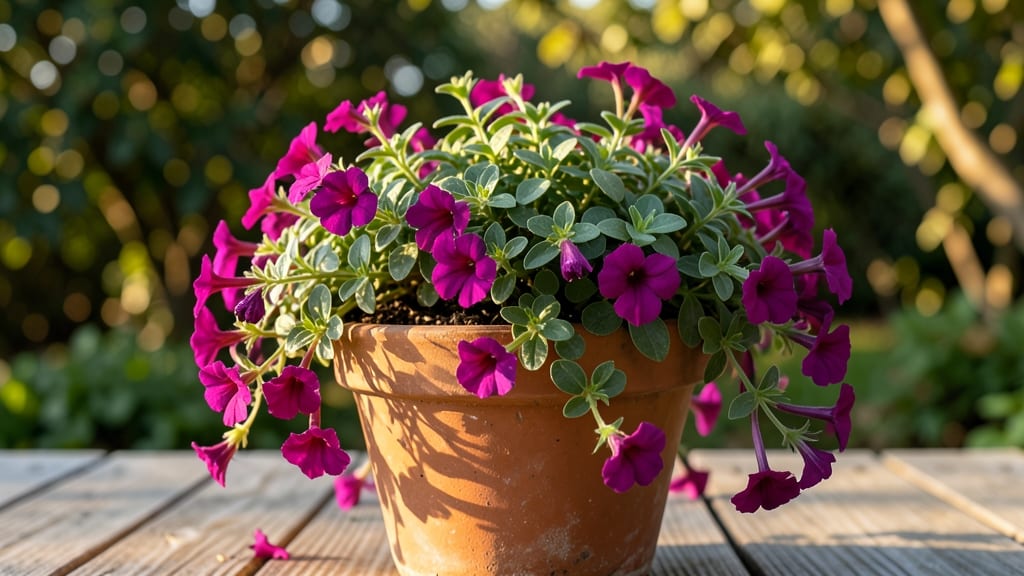
How to grow Million Bells peppers packs a punch with their fiery heat and sweet undertones—the perfect plant for spice lovers who crave variety. 🌶️ I’ve grown them for years, and they’re one of the easiest peppers to coax into prolific production, even in small spaces. The secret? Mimicking their natural tropical habitat with just a few key adjustments.
The first rule is light—these plants need 6-8 hours of direct sun daily, but they’ll tolerate partial shade if temps stay mild.
Soil should drain like a dream (think 50% potting mix, 30% perlite, 20% compost), and watering should be consistent but not soggy—think damp sponge, not swamp. Overwatering turns their roots to mush faster than you can say "chili heat."
By midsummer, you’ll be harvesting tiny, bell-like peppers that pack three times the heat of jalapeños but with a surprising sweetness. Prune leggy growth to encourage bushier plants, and pinch off early blooms if you want bigger peppers later.
The best part? They keep producing until frost, with some varieties even rebounding in spring.
Watch for aphids (they adore these plants) and leggy seedlings (start them indoors 8-10 weeks before last frost). With the right care, you’ll go from seed to spice-filled harvests in just 3-4 months—and your neighbors will be begging for cuttings.
Here’s how to make it happen without the guesswork.
📚 In This Guide
- What you need
- Instructions
- Tips and common mistakes
- Wrapping up and next steps
What you need
- ● Million Bells pepper seeds – 5–10 seeds (or 1–2 plants if buying seedlings). Choose Capsicum annuum varieties like 'Millionaire' or 'Million Bells Hybrid'.
- ● Containers or garden bed – 5–10 gallon pots (if container gardening) or a sunny garden spot with well-draining soil.
- ● High-quality potting mix – 5–10 gallons (look for a blend with perlite or vermiculite for aeration).
- ● Organic fertilizer – Balanced 10-10-10 or a pepper-specific fertilizer (follow package instructions).
- ○ Slow-release fertilizer pellets (optional but helpful) – 1–2 cups per plant.
- ● Mulch – Straw or wood chips to retain moisture and regulate soil temperature.
- ● Trowel or small shovel – For planting and transplanting.
- ● Watering can or hose with a gentle nozzle – Peppers hate soggy roots!
- ● Pruning shears – To trim excess foliage and encourage fruit production.
- ○ Garden stakes or cages – Optional but helpful for support as plants grow.
- ○ pH testing kit – Optional but recommended (peppers thrive in 6.0–7.0 pH).
- ● Sunlight – At least 6–8 hours of direct sun daily (more is better!).
- ● Warmth – Start seeds indoors 8–10 weeks before last frost or plant outdoors after soil reaches 60°F+.
- ● Patience – Million Bells take 70–90 days to mature from transplant.
Step-by-Step instructions for growing Million Bells peppers
Here’s how to coax these dual-purpose beauties into producing both sweet and fiery peppers on the same plant.
🌱 Step 1: Start Seeds Indoors 8-10 Weeks Before Last Frost
Million Bells thrive when started indoors under warmth and light. Fill 4-inch pots with a sterile seed-starting mix and plant seeds ¼ inch deep. Keep the soil at 75-85°F using a heat mat—this speeds germination to 7-14 days. I like to cover the pots with plastic wrap until sprouts appear, then remove it immediately to prevent damping-off.
Once seedlings emerge, position them under grow lights 2-3 inches above for 14-16 hours daily. You’ll know they’re getting enough light when they grow sturdy and compact, not leggy. If stems stretch toward the light, raise the lights or add a second fixture.
☀️ Step 2: Harden Off and Transplant After All Frost Risk Passes
Two weeks before your last frost, move seedlings outside for 2-3 hours daily, gradually increasing exposure. Start in shade, then introduce morning sun first—this prevents sunburn on tender leaves. By the time you transplant, they should handle a full day outside without wilting.
Choose a spot with full sun (6-8 hours daily) and well-draining soil. Million Bells produce best in 60-85°F soil, so avoid heavy clay unless amended with compost. Space plants 18-24 inches apart—they need room for both sweet and hot peppers to develop.
💧 Step 3: Water Deeply and Fertilize for Dual Production
Water at the base 1-2 inches deep weekly, letting the top inch of soil dry between waterings. Overhead watering can spread disease, so use a drip system or soaker hose instead. You’ll notice the plant’s leaves perk up after deep watering—that’s your cue it’s hydrated properly.
Feed with a balanced fertilizer (10-10-10) every 4-6 weeks, then switch to a low-nitrogen, high-phosphorus blend (5-10-10) when flowers appear. This encourages both fruit set and sweetness. Stop fertilizing once peppers start coloring—too much nitrogen delays ripening.
✂️ Step 4: Prune and Support for Maximum Yield
Pinch off the first few flowers to redirect energy to the main stem. Once the plant reaches 24 inches tall, prune suckers (side shoots in leaf axils) to focus growth upward. I also remove any peppers growing below the first 12 inches—they’ll never ripen fully and waste plant resources.
Install a cage or stake early to support the plant’s weight. Million Bells can get top-heavy with both sweet and hot peppers, so secure the main stem loosely to prevent stem breakage. If you see leaves yellowing at the base, it’s a sign of overwatering or root rot—cut back on irrigation immediately.
🌿 Step 5: Harvest Sweet and Hot Peppers at Peak Ripeness
Sweet peppers ripen first—pick them when fully colored (red, yellow, or orange) for maximum sweetness. Hot peppers take longer; harvest them when firm and glossy, even if not fully colored. Use pruning shears to avoid damaging the stem, and harvest in the morning when peppers are coolest and crispest.
To encourage more production, pinch off spent flowers and any peppers that aren’t ripening. You’ll see new blooms within 2-3 weeks—this is your signal the plant is still vigorous. Store harvested peppers in the fridge for 1-2 weeks, or preserve them by drying, freezing, or pickling for long-term use.
Tips & tricks for growing Million Bells peppers
Here's what I've learned from growing these dual-purpose peppers—tricks that'll help you avoid common pitfalls and maximize your harvest.
Heat Matters: Those 75-85°F soil temperatures in Step 1 aren't just suggestions—they're crucial for germination. I've seen seeds take 21 days to sprout when soil was only 65°F. Use a heat mat if your home stays cool, and keep pots away from drafty windows. Once seedlings emerge, maintain that 14-16 hour light cycle religiously—skimp here and you'll get leggy, weak plants that struggle to support all those peppers later.
Transplant Timing Secret: The 2-3 hour daily hardening off in Step 2 is your plant's safety net against transplant shock. I learned this the hard way when I rushed seedlings into full sun too soon—they wilted dramatically. Start with morning shade and work up to full sun over 7-10 days. Also, transplant on a cloudy day if possible—sunburned leaves won't recover and can invite pests.
Fertilizer Strategy: That switch from 10-10-10 to 5-10-10 when flowers appear in Step 3 is where the magic happens for dual production. The reduced nitrogen prevents leafy growth at the expense of fruit, while the extra phosphorus pushes flowering. I've found that adding a handful of bone meal at transplant time gives an extra phosphorus boost without complicating your fertilizer schedule.
Pruning Precision: When your plant hits 24 inches in Step 4, don't just prune suckers—focus on the 12-inch rule for peppers. Any peppers below that height will never get enough sun to ripen properly. I also recommend keeping just 3-4 main branches for optimal air circulation, which prevents fungal diseases that can ruin your harvest.
Pro Tips for Grow Million Bells
- Here's what I've learned from growing these dual-purpose peppers—tricks that'll help you avoid common pitfalls and maximize your harvest.
- Heat Matters: Those 75-85°F soil temperatures in Step 1 aren't just suggestions—they're crucial for germination.
- Transplant Timing Secret: The 2-3 hour daily hardening off in Step 2 is your plant's safety net against transplant shock.
Frequently asked questions
Got questions about growing Million Bells peppers?
You’re not alone! Here are answers to the most common ones—from timing to troubleshooting—so you can grow these fiery-sweet beauties with confidence.
How long does it take for Million Bells peppers to mature?
Million Bells typically take 70–90 days from transplanting to harvest, depending on your climate. Start seeds indoors 8–10 weeks before the last frost for a head start. If you’re in a warm zone, direct sow after frost risk passes—just be patient!
Can Million Bells survive frost?
Nope! These peppers are tender perennials that hate frost—they’ll bolt or die if temps drop below 32°F (0°C). Use row covers or move potted plants indoors if frost is forecasted. In cold climates, treat them as annuals and replant yearly.
Why are my Million Bells peppers turning bitter?
Bitterness usually means stress—check for:
- Overcrowding: Thin plants to 18–24" apart for airflow.
- Irregular watering: Keep soil consistently moist (not soggy!).
- Too much heat: If temps exceed 90°F (32°C), provide afternoon shade.
Are Million Bells peppers self-pollinating?
Yes! These are self-pollinating, so you won’t need to hand-pollinate like with some other peppers. However, gentle shaking of the plant can boost pollination if you’re growing them for extra fruit. Bees help too—just let them buzz around!
Can I grow Million Bells in containers?
They thrive in 5-gallon containers or larger with well-draining soil. Use a balanced fertilizer (like 10-10-10) every 3–4 weeks and place pots in full sun (6+ hours/day). Just ensure containers have drainage holes to avoid root rot.
How do I know when Million Bells are ripe?
Look for:
- Color shift: Start green, then turn red, orange, or yellow (depending on variety).
- Firmness: Squeeze gently—they should feel slightly soft but not mushy.
- Size: Typically 2–4 inches long (harvest smaller for sweeter peppers!).
Wrapping up and next steps
Growing Million Bells peppers is a rewarding journey that blends sweetness with fiery heat—perfect for adding bold flavor to your dishes! 🌶️ With the right soil, sunlight, and care, you’ll enjoy a bountiful harvest that’s as satisfying as it is delicious.
Whether you’re a beginner or a seasoned gardener, these tips will help you cultivate thriving plants and turn your kitchen into a spice paradise.
Now that you’re armed with the know-how, take the next step: grab your seeds, find that sunny spot, and get planting! Share your progress with fellow gardening enthusiasts or experiment with recipes to showcase your homegrown harvest. Happy growing—and may your peppers be plentiful! 🌱✨