
Propagation
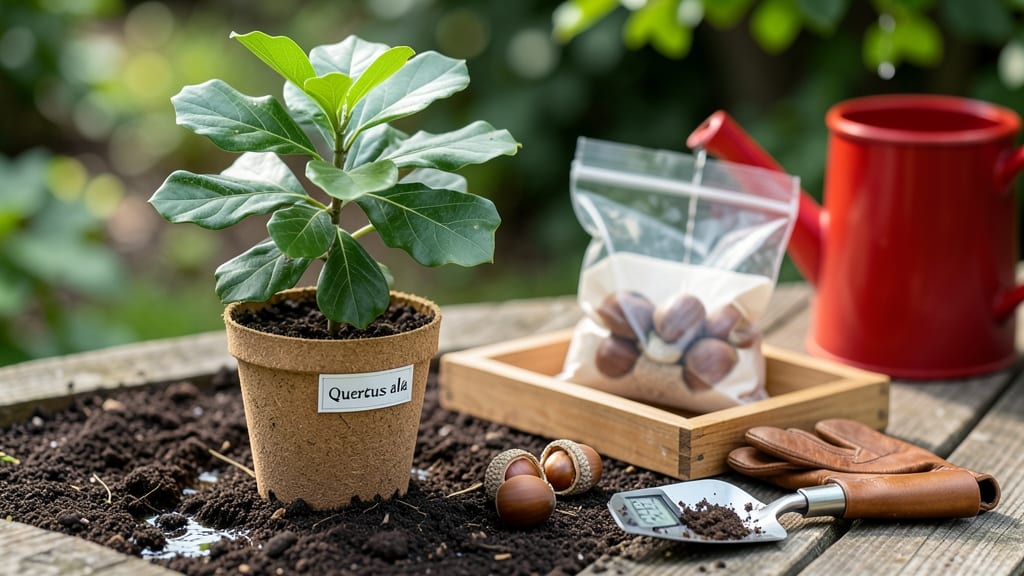
How to grow oak from seed feels like planting for future generations. 🌳 My first attempt took three years just to crack the shell—now I know the secret to breaking dormancy and coaxing those stubborn little acorns into life. The payoff? A towering shade tree that'll outlive you, starting from a single seed.
You'll need acorns from mature oaks (red or white), a cold stratification setup (or a freezer), and a mix of sand and peat moss for drainage.
The real trick is patience: germination can take 6-12 months, but once those first roots appear, you're on your way to a 100-foot giant. Most people quit too soon—don't be one of them.
By year three, you'll have a sapling sturdy enough to transplant outdoors. The roots grow deep and strong, while the leaves develop that classic oak shape. Neighbors will ask how you did it—your secret? Letting nature handle most of the work after you kickstart the process.
Works for both container starts and direct outdoor planting, though oaks hate being moved once established. Perfect for landowners with long-term visions, wildlife enthusiasts, or anyone who loves watching trees grow from tiny beginnings to forest giants. Let's get those acorns germinating!
📚 In This Guide
- What you need
- Instructions
- Tips and common mistakes
- Wrapping up and next steps
What you need
- ● Fresh oak acorns (at least 50–100 for better success rates; collect from mature, healthy trees in fall).
- ● Well-draining potting soil (sterile, seed-starting mix or a blend of peat moss, perlite, and sand; 5–10 gallons depending on container size).
- ● Planting containers (small cell trays or 4–6 inch pots with drainage holes; 1–2 per acorn).
- ● Plastic wrap or humidity dome (to retain moisture during germination).
- ● Spray bottle (for gentle watering; 1–2 gallons capacity).
- ● Label markers & tags (to track planting dates and species).
- ● Patience (and a sunny spot!) (oaks take 1–3 years to sprout).
- ● Stratification setup: Vermiculite or damp sand (for cold stratification if skipping outdoor winter).
- ● Grow lights (if natural light is limited; LED or fluorescent, 12–16 hours/day).
- ● Fertilizer (balanced 10-10-10 or fish emulsion; diluted for young seedlings).
- ● Mulch (wood chips or straw to retain moisture in outdoor beds).
- ● Transplanting tools: Trowel, pruners, and garden gloves (for moving seedlings later).
Step-by-step instructions for growing oak trees from acorns
Here's how to turn tiny acorns into towering oaks—just follow these steps carefully.
🌱 Step 1: Collect and Prepare Fresh Acorns
Gather acorns from mature oak trees in late fall after they've fallen naturally. Look for plump, heavy acorns with intact caps—these hold the best germination potential. Avoid shriveled or insect-damaged specimens. I like to collect them in a mesh bag to allow airflow and prevent mold.
Remove the caps and soak the acorns in water for 24-48 hours to soften the hard shell. This mimics natural winter stratification and speeds up germination. Change the water daily to keep it fresh. After soaking, place the acorns in a sealed container with slightly damp sand or peat moss—this mimics the moist forest floor where acorns would normally overwinter.
🌱 Step 2: Stratify Acorns for Winter
Store the container of acorns in your refrigerator for 90-120 days at 35-40°F. This cold treatment breaks dormancy and prepares the seeds for spring growth. I mark the container with the date and variety (if known) to track progress. Don't let the mix dry out completely—check monthly and add a few drops of water if it feels dry.
After stratification, plant the acorns in 4-inch pots filled with a mix of 50% potting soil and 50% perlite. Plant each acorn about 1 inch deep—deeper planting can delay germination. Water lightly until the soil feels evenly moist but not soggy. Place the pots in a bright, indirect light location where temperatures stay between 65-75°F.
🌿 Step 3: Germinate and Care for Young Seedlings
Germination can take 4-12 weeks—be patient! You'll know it's working when the acorn splits open and a small sprout emerges. Keep the soil consistently moist but never waterlogged. I use a spray bottle to mist the soil instead of pouring water, which helps prevent disturbing the delicate roots.
Once the seedling reaches 4-6 inches tall (usually in late spring or early summer), transplant it into a 1-gallon container with fresh potting mix. Oak seedlings grow slowly at first, so don't rush this step. Place the container in partial shade to protect the young plant from intense sunlight, which can scorch tender leaves.
☀️ Step 4: Gradually Acclimate to Outdoor Conditions
After the last frost date in your area, move the oak seedlings outdoors to a sheltered, shaded spot for 1-2 hours the first day. Gradually increase their exposure to sunlight and wind over 2-3 weeks. This process, called hardening off, helps them adapt to outdoor conditions without shock.
Once hardened off, plant the seedlings in a permanent location with full sun and well-draining soil. Oaks thrive in slightly acidic soil with a pH of 5.0-7.0. Space them 10-15 feet apart to allow for future growth. Water deeply once a week, ensuring the soil stays moist but not waterlogged during the first growing season.
⏰ Step 5: Long-Term Care for Mature Oak Trees
Oak trees grow slowly but steadily—expect 12-24 inches of growth per year under ideal conditions. Mulch around the base of the tree with 2-3 inches of organic mulch (like wood chips) to retain moisture and suppress weeds. Keep the mulch 6 inches away from the trunk to prevent rot.
Fertilize young oaks lightly in early spring with a balanced, slow-release fertilizer (10-10-10). Avoid heavy fertilization, as it can encourage weak, fast growth that's prone to disease. Prune only to remove dead or diseased branches—oaks don't respond well to heavy pruning. With proper care, your oak tree could live for centuries, providing shade and beauty for generations.
Tips & tricks for perfect oak tree growth from seed
Turning acorns into towering oaks takes patience, but these key strategies will help you maximize your success.
Acorn Selection: Focus on acorns from mature oak trees—look for plump, heavy ones with intact caps. The heavier the acorn, the more energy it stores for germination. I've found that white oak acorns (with rounded caps) often germinate more reliably than red oak acorns (with pointed caps), though both can work with proper care.
Stratification Secret: The 90-120 day cold treatment in your fridge is crucial—this mimics nature's winter dormancy period. Place a small piece of tape with the date on your container so you don't forget when you started. Pro tip: Use a clear container so you can easily check moisture levels without opening it, which could disrupt the cold treatment.
Germination Watch: Those 4-12 weeks of waiting can feel endless, but there's a trick to tell if it's working: Look for the acorn shell to crack open slightly at the top. This usually happens just before the sprout emerges. Keep your pots in bright, indirect light during this time—direct sunlight can overheat the soil and damage delicate sprouts.
Transplant Timing: Wait until your seedlings reach 4-6 inches before transplanting to their 1-gallon containers. This size gives them enough root development to handle the move. I've learned the hard way that transplanting too early can shock the young roots and set back growth for weeks.
Pro Tips for Grow Oak From Seed
- Turning acorns into towering oaks takes patience, but these key strategies will help you maximize your success.
- Acorn Selection: Focus on acorns from mature oak trees—look for plump, heavy ones with intact caps.
- Stratification Secret: The 90-120 day cold treatment in your fridge is crucial—this mimics nature's winter dormancy period.
Frequently asked questions
Growing oak trees from seed can feel like a long-term project, but with the right approach, it’s totally doable! Here are some common questions to help you navigate the process with confidence.
How long does it take for an oak seed to germinate?
Oak seeds can take anywhere from 3 months to 2 years to germinate—patience is key! Stratification (cold treatment) speeds this up, but some seeds may still surprise you by sprouting unexpectedly. Keep them moist and in a cool, dark place during this time.
Can I skip stratification and still grow an oak tree?
Stratification mimics winter conditions and breaks seed dormancy, making germination much more likely. While some oak seeds might sprout without it, success rates drop significantly. If you’re impatient, try a cold fridge trick (moist sand + 40°F for 60–90 days).
How do I know if my oak seedling is healthy?
A healthy oak seedling should have bright green leaves, firm stems, and steady growth. Yellowing leaves or stunted growth may signal overwatering, poor drainage, or pests. Check the soil moisture—it should stay damp but not soggy—and inspect for spider mites or fungal spots.
What’s the best climate for growing oak trees from seed?
Oaks thrive in USDA Zones 3–9, but seedling care varies by type (e.g., red oaks vs. white oaks). Start indoors in a sunny window or under grow lights, then transplant outdoors after the last frost when soil is at least 60°F. Hardy once established, oaks adapt well to full sun and well-draining soil.
What if my oak seed won’t sprout—did I do something wrong?
Don’t panic! Oak seeds are notoriously slow. Double-check your stratification method, seed viability (test-float in water—sinkers are good!), and moisture levels. If all else fails, try a fresh batch of seeds or consider grafting a cutting onto a rootstock for faster results.
Wrapping up and next steps
Growing an oak tree from seed is a rewarding journey that demands patience—but oh, the payoff! 🌳 From gathering acorns to nurturing saplings, each step builds toward a future forest giant. Remember: strategic planning, consistency, and a little green thumb magic are your best allies.
Ready to watch your tiny seed transform into a towering oak? Start small today! Plant a few acorns this fall, and in a decade, you might just be standing under your very own shade. Happy growing! 🌱