
Size
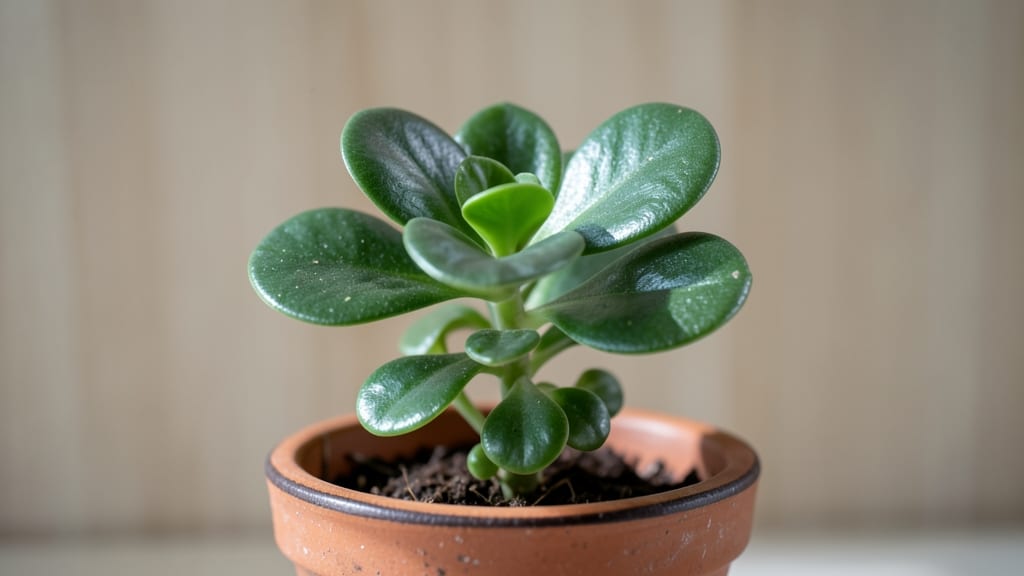
How to grow a silver dollar plant feels like nurturing a tiny, velvety money tree—round leaves that stay lush with almost no effort. 🌿 I’ve watched mine cascade over shelves for years, needing just the right light and a little patience to thrive. The secret isn’t complicated: it’s about mimicking its natural jungle habitat with bright, indirect light and well-draining soil.
You’ll need a few basics: a 4-6 inch pot with drainage holes, a mix of potting soil and perlite (or orchid bark), and a spray bottle for misting. Water only when the top inch of soil feels dry—overwatering is the #1 killer of these plants.
Place it near an east or west window, where it gets bright but filtered light, and watch those glossy leaves grow.
Once established, your silver dollar plant will reward you with trailing vines that spill over edges, creating a lush, tropical look. The leaves stay vibrant and round, almost like tiny silver coins—hence the name!
With minimal care, it can grow 2-3 feet tall and spread just as wide, making it perfect for shelves, desks, or hanging baskets.
Fair warning: propagation is where the magic happens. A single leaf can root in water or soil, giving you free plants to share. Just avoid these mistakes—low light causes leggy growth, and soggy soil invites root rot.
With the right setup, your silver dollar plant will stay healthy for years, becoming the star of any room.
📚 In This Guide
- What you need
- Instructions
- Tips and common mistakes
- Wrapping up and next steps
What you need
- ● Silver Dollar Plant: 1-2 healthy starter plants (check for firm, round leaves and no yellowing).
- ● Well-draining potting mix: 1 bag (1-2 quarts) of a blend designed for aroids or mix equal parts: Peat moss or coco coir
- ● Perlite or pumice (for aeration)
- ● Vermiculite (holds moisture)
- ● Pot: 1 container with drainage holes (6-8 inches in diameter for 1 plant; slightly larger for multiple). Terracotta or ceramic works best.
- ● Watering can or spray bottle: 1 with a narrow spout for gentle watering.
- ○ Humidity tray or pebble tray: 1 (optional but helpful for maintaining humidity).
- ● Fertilizer: 1 bottle of balanced liquid fertilizer (e.g., 10-10-10 or 20-20-20), diluted to half-strength.
- ● Light: Bright, indirect light (east or north-facing windows are ideal). Avoid harsh direct sun.
- ● Temperature: Keep between 65–75°F (18–24°C). Avoid drafts or cold windowsills.
- ● Humidity: Aim for 50–70%. Mist leaves occasionally or use a humidifier.
- ● Grow lights (LED or fluorescent) for low-light setups.
- ● Plant saucer or cache pot to catch excess water.
- ● Leaf shine spray (for a polished look—1 bottle).
- ● Propagating tools (small scissors, rooting hormone) if you plan to grow new plants.
Step-by-Step instructions for growing silver dollar plant
Here's how to coax those stunning, round leaves into thriving vines with just a few simple steps.
🪴 Step 1: Choose the Right Container and Soil Mix
Start with a 6-12 inch hanging basket or wide, shallow container—silver dollar plants thrive when their roots can spread horizontally. I use a well-draining potting mix blended with 20% perlite to prevent soggy roots. Fill the container ¾ full with this mix, leaving room for the plant's trailing growth.
Tap the container gently to settle the soil without compacting it too tightly. The goal is a loose, airy medium that lets moisture drain freely but still holds enough water to keep roots happy. Avoid garden soil—it compacts and suffocates these tropical beauties.
☀️ Step 2: Position for Bright, Indirect Light
Place your silver dollar plant near a bright, east- or west-facing window where it gets dappled sunlight for 4-6 hours daily. Direct afternoon sun can scorch those delicate leaves, so I always keep mine away from south-facing windows in summer. If your space has only artificial light, position it 12-18 inches under a grow light for 12-14 hours daily.
You'll know the light is right when the leaves stay deep green and glossy without yellowing or browning. If they start looking pale or stretching (called "legginess"), it's a sign the plant needs more light. Rotate the container quarter-turn weekly so the plant grows evenly instead of leaning toward one side.
💧 Step 3: Water When the Top 1-2 Inches Feel Dry
Water thoroughly until water drains freely from the bottom, then empty the saucer to prevent root rot. I check moisture by sticking my finger 1-2 inches deep—if it feels dry, it's time to water. Silver dollar plants love humidity, so I mist the leaves 2-3 times weekly or place the pot on a pebble tray with water to increase ambient moisture. Avoid letting the soil dry out completely, as this causes the leaves to pucker and lose their glossy finish.
Overwatering is the biggest mistake here—yellowing leaves or mushy stems are classic signs of too much moisture. If you notice the soil staying wet for more than 2-3 days, reduce watering and let the top layer dry out more between sessions.
✂️ Step 4: Prune and Encourage Bushier Growth
Pinch back the tips of new growth when stems reach 6-8 inches to encourage a fuller, bushier plant. I use clean, sharp scissors to trim just above a leaf node, which prompts the plant to branch out. Remove any yellow or damaged leaves immediately—they drain energy and can invite pests. Pruning also helps maintain the plant's trailing habit, which is what makes silver dollar plants so stunning in hanging displays.
If your plant starts looking leggy, don't despair—simply trim back the longest stems by ⅓ and place the cuttings in water to propagate new plants. This keeps your original silver dollar plant compact while giving you free extras to share or expand your collection.
🌿 Step 5: Fertilize Lightly During Growing Season
Feed your silver dollar plant with a balanced, water-soluble fertilizer (like 10-10-10) every 4-6 weeks during spring and summer. I dilute it to half-strength to avoid burning the roots—these plants prefer gentle nourishment over heavy doses. Skip fertilizing in fall and winter when growth naturally slows down. Over-fertilizing causes salt buildup in the soil, which shows up as brown leaf tips—a sure sign you're overdoing it.
You'll see the difference in shinier leaves and faster growth when the plant is happy with its food. If you notice new leaves looking smaller or pale, it might be time for another light feeding. Always water the plant before applying fertilizer to prevent root burn.
Tips & tricks for perfect silver dollar plant growth
Between us, these little tricks make all the difference when growing silver dollar plants—especially if you want that showstopping trailing display without the fuss.
Container Selection Tip: For maximum root spread, choose a container that's at least 6 inches wide—narrow pots restrict growth and lead to root-bound plants. I've found that terracotta hanging baskets work beautifully because they allow excess moisture to evaporate through the porous material, which helps prevent root rot. If you're using a plastic container, make sure it has drainage holes, or the plant will suffocate from soggy conditions.
Light Placement Secret: The 4-6 hours of dappled sunlight in Step 2 is your sweet spot—too little light causes leggy growth, while too much direct sun scorches those gorgeous round leaves. I've noticed that placing your plant near a sheer curtain can diffuse harsh afternoon light beautifully. If you're using artificial lights, LED grow lights work best when positioned 12-18 inches away, and you'll want to keep them on for the full 12-14 hours daily to mimic natural daylight cycles.
Watering Wisdom: The finger test in Step 3 works wonders, but here's what nobody tells you—the best time to water is in the morning. This gives the plant all day to absorb moisture before evening, reducing the risk of fungal issues. When using a pebble tray for humidity, make sure the water level never touches the pot bottom—just keep the pebbles damp. I've had plants develop root rot when the tray was too wet, so always check before adding more water.
Pruning Payoff: When you pinch those growth tips at 6-8 inches, you're not just shaping the plant—you're encouraging it to produce thicker stems. I've seen dramatic differences in bushiness after just one pruning session. For propagation, use clean scissors and place cuttings in water with just the nodes submerged. Change the water every 3-4 days to prevent bacterial growth, and you'll see roots forming in about 2-3 weeks. This is how I've expanded my collection to over 15 plants from just two original cuttings!
Pro Tips for Grow Silver Dollar Plant
- Between us, these little tricks make all the difference when growing silver dollar plants—especially if you want that showstopping trailing display without the fuss.
- Container Selection Tip: For maximum root spread, choose a container that's at least 6 inches wide—narrow pots restrict growth and lead to root-bound plants.
- Light Placement Secret: The 4-6 hours of dappled sunlight in Step 2 is your sweet spot—too little light causes leggy growth, while too much direct sun scorches those gorgeous round leaves.
Frequently asked questions
Got questions about growing your Crassula argentea (silver dollar plant)?
You’re not alone! Here are answers to the most common queries to help you cultivate this stunning succulent with confidence.
How fast does a silver dollar plant grow?
The growth rate is moderate—expect about 6–12 inches per year under ideal conditions. With proper light and care, it can reach 2–3 feet in height over 3–5 years. Patience is key, as rapid growth can lead to leggy stems. Prune regularly to encourage bushiness!
Can silver dollar plants survive winter outdoors?
These succulents are hardy to USDA zones 10–11 and thrive outdoors year-round in mild climates. In colder zones, bring pots indoors or protect them with mulch or frost cloth. If left outside, ensure they’re in a sheltered spot away from freezing winds.
Why are my silver dollar plant leaves turning yellow?
Yellowing leaves usually signal overwatering or poor drainage. Let the soil dry completely between waterings (about every 2–3 weeks in summer, less in winter). Check for root rot if the base feels mushy—repot in fresh, dry soil to revive your plant.
Is silver dollar plant toxic to pets?
Yes, this plant is mildly toxic to cats and dogs if ingested, causing stomach upset or vomiting. Keep it out of reach of pets or opt for pet-safe alternatives like Haworthia or Echeveria if you have furry friends at home.
Can I grow silver dollar plant from leaves?
Simply snip a healthy leaf, let it callus for 1–2 days, then place it on well-draining soil. Mist lightly and keep in bright, indirect light. Roots should form in 4–6 weeks. Pro tip: Use a small pot to prevent rot!
Wrapping up and next steps
Growing a silver dollar plant is a rewarding journey that brings lush, cascading beauty to your space with minimal fuss! 🌿 With the right light, soil, and care, you’ll enjoy its striking foliage and easygoing nature—perfect for beginners and plant lovers alike.
Now that you’re armed with tips on propagation, pruning, and troubleshooting, it’s time to roll up your sleeves and get growing!
Ready to watch your silver dollar plant thrive? Start by potting your cutting or seedling today, and soon, you’ll be sharing your green success story with fellow plant enthusiasts! 🌱✨