
Picking
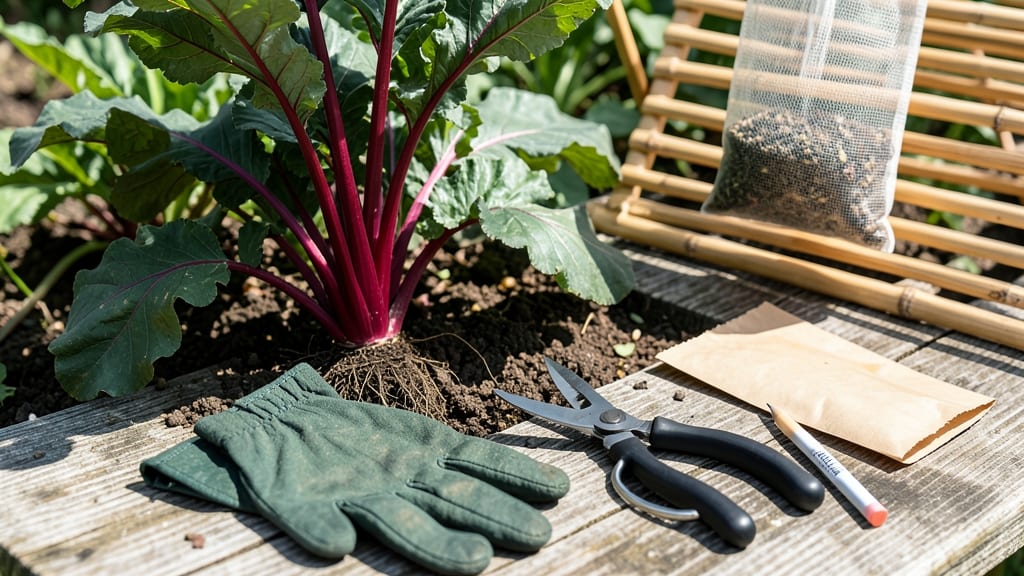
Harvesting beet seeds saves money and ensures next year’s garden thrives. 🌱 I’ve learned the hard way—skipping seed production means missing out on heirloom varieties and the joy of growing from scratch. The key? Letting plants bolt and flower before touching those pods.
Timing matters most: wait until seed pods turn dry and papery, usually 8-10 weeks after flowering. Yellowing leaves signal readiness, but don’t rush—immature seeds won’t store well. A gentle twist or snip is all it takes to free the pods from the stem.
Drying seeds properly is non-negotiable. Spread pods in a single layer on paper towels or a mesh screen in a cool, dry spot for 2-3 weeks. Once fully dry, rub them between your fingers to release the tiny, glossy seeds—no need for fancy tools.
Store seeds in airtight containers (like envelopes or jars) in a dark, cool place. Label them with the variety and date—viable seeds last 3-5 years if kept dry. Now you’re ready to plant with confidence next spring!
📚 In This Guide
- What you need
- Instructions
- Tips and common mistakes
- Wrapping up and next steps
What you need
- ● Mature beet plants: Choose healthy, disease-free beets with bolted (flowering) stems—ideally from 60+ days after planting. Aim for 5-10 plants for a good seed yield.
- ● Pruning shears or sharp scissors: For cleanly cutting flower stems (avoid tearing). A bypass pruner works best.
- ● Brown paper bags or breathable seed-saving envelopes: 10-15 bags (one per plant). Use unbleached, acid-free paper to prevent mold.
- ● Twine or rubber bands: To secure bags around stems.
- ● Labeling tags or masking tape + marker: To tag each bag with the beet variety and harvest date.
- ● Drying rack or mesh screen: A flat, elevated surface (like a wooden frame or wire cooling rack) to air-dry seeds for 2-4 weeks.
- ○ Fine-mesh sieve or colander: For separating seeds from chaff (optional but helpful for bulk harvests).
- ● Desiccant packets: Place a few in seed bags to absorb excess moisture if humidity is high.
- ● Food dehydrator: Speed up drying for seeds in 12-24 hours (set to 95°F/35°C).
- ● Humidity monitor: Keep drying areas between 30-50% humidity for best results.
- ● Vacuum sealer: For long-term storage (beyond 2 years).
Step-by-Step instructions for harvesting beet seeds
Here's how I've saved seeds from my garden for years—simple, reliable, and perfect for next season's plants.
🌿 Step 1: Select and Grow Seed Beets
Start with bolting-resistant beet varieties like 'Detroit Dark Red' or 'Chioggia'. Plant them in early spring so they mature by mid-summer, giving seeds time to develop before frost. Thin seedlings to 12 inches apart—crowded plants produce fewer seed stalks.
Watch for bolting (flowering stems) in late summer. The first flowers appear about 60-70 days after planting. Let 3-4 plants bolt while removing others to avoid seed competition. Beets grown for seed need full sun and well-drained soil—poor conditions lead to weak seed production.
🌱 Step 2: Allow Flowers to Develop and Dry
Once flowers bloom, do not harvest them. Let the blooms fade and form seed balls (globular seed clusters). Each flower cluster will dry into a papery ball containing hundreds of tiny seeds. This takes 4-6 weeks after flowering, depending on your climate.
I tie twine flags to the tallest seed stalks to mark them—this prevents accidental harvesting. If rain is forecast, cover plants with a breathable cloth to protect drying seeds. Overly wet seed heads may rot or scatter seeds prematurely.
⏰ Step 3: Harvest and Dry Seed Heads
When seed heads turn tan and papery (around 90-100 days after planting), cut the entire stalk with 4-6 inches of stem attached. Hang stalks upside down in a dry, well-ventilated area—like a garage or shed—for 2-3 weeks. This slow drying prevents mold.
Check daily for seed release. Gently squeeze a dried head—if seeds rattle inside, they're ready. If seeds spill out too easily, they're overripe. Store only fully dried heads to ensure viability.
🪴 Step 4: Extract and Store Seeds
Once completely dry, rub the seed heads between your palms to release seeds. Sift through the debris with a fine mesh strainer to collect pure seeds. Store them in a paper envelope (not plastic) in a cool, dark place—like a seed vault or refrigerator.
Label each envelope with the variety name and harvest year. Beet seeds remain viable for 3-4 years if stored properly. Test a few seeds annually to confirm germination—discard old batches if they fail to sprout.
Tips & tricks for perfect beet seed harvesting
Between us, saving beet seeds is all about patience and precision—here's how I've refined my approach over years of trial and error.
Variety Selection Wisdom: Not all beets produce quality seeds. Stick to bolt-resistant varieties like 'Detroit Dark Red' or 'Chioggia'—they're bred specifically for seed production. I've learned the hard way that regular table beets often bolt too early or produce weak seeds. For best results, plant your seed beets in early spring so they mature by mid-summer, giving seeds ample time to develop before frost sets in.
Critical Timing Secret: The 60-70 day window until first flowers appear is your golden opportunity. During this time, maintain consistent watering—neither too much nor too little. Too much water causes bolting to happen too quickly, while too little stress can prevent proper seed formation. In Step 1, when thinning seedlings to 12 inches apart, leave the strongest, healthiest plants—they'll produce the most robust seed stalks.
Weather Protection Strategy: In Step 2, when allowing flowers to develop, I can't stress enough how important it is to protect those drying seed heads from rain. I use breathable cheesecloth or old pillowcases tied loosely over the plants during forecasted rain. This prevents seed heads from rotting while still allowing airflow. The 4-6 week drying period after flowering is delicate—don't rush it, but don't let moisture ruin your hard work.
Storage Wisdom: Paper envelopes might seem old-fashioned, but they're perfect for seed storage because they allow moisture to escape while keeping seeds dry. I've found that storing seeds in the refrigerator extends their viability beyond the standard 3-4 years. Labeling with both variety name AND harvest year is crucial—next year's you won't want to be guessing which seeds are which!
Pro Tips for Harvest Beet Seeds
- Between us, saving beet seeds is all about patience and precision—here's how I've refined my approach over years of trial and error.
- Variety Selection Wisdom: Not all beets produce quality seeds.
- Critical Timing Secret: The 60-70 day window until first flowers appear is your golden opportunity.
Frequently asked questions
Got questions about harvesting beet seeds? You’re not alone—this process can feel tricky at first! Below, we’ve answered the most common questions to help you avoid mistakes and maximize your seed yield.
How do I know when beet seeds are ready to harvest?
Beet seeds are ready when the seed pods turn light brown and begin to split open slightly. If you leave them too long, the seeds will scatter or sprout in the pod. Aim to harvest them when they’re 80-90% dry—gently squeeze a pod to check. If it crumbles easily, it’s time!
How long does it take for beet seeds to mature after flowering?
After beet flowers appear (usually 60-90 days after planting), it takes an additional 45-60 days for seeds to fully mature. Keep an eye on the pods—some varieties mature faster than others. If your growing season is short, opt for bolting-resistant varieties or start seeds indoors earlier.
Can I harvest beet seeds from store-bought beets?
Unfortunately, no! Most grocery-store beets are hybrid varieties, meaning their seeds won’t grow true to the parent plant. For reliable seeds, save them from heirloom or open-pollinated beets (like ‘Detroit Dark Red’ or ‘Chioggia’). Check seed packets for the “O.P.” (open-pollinated) label.
What’s the best way to dry beet seeds at home?
Spread seeds on a paper towel or mesh screen in a cool, dry, well-ventilated spot (like a garage or basement) for 1-2 weeks. Avoid direct sunlight or heat sources—high humidity can cause mold. Stir them gently every few days to speed up drying. Once brittle, they’re ready for storage!
Do I need to worry about cross-pollination with other beets?
Beets are self-pollinating, so cross-pollination between varieties is rare. However, if you’re growing different species (e.g., Swiss chard or spinach), keep them at least 500 feet apart to prevent accidental mixing. For heirloom varieties, isolation reduces the risk of genetic drift.
How long can I store harvested beet seeds?
Properly dried and stored seeds last 3-5 years in a cool (32–40°F), dark, and airtight container (like a glass jar with a silica packet). Test viability every few years by planting a few seeds—if germination drops below 80%, it’s time for fresh ones!
Wrapping up and next steps
Harvesting beet seeds is a rewarding way to ensure fresh, homegrown plants for years to come! 🌱 By following these steps—selecting healthy beets, allowing flowers to bloom, drying seeds properly, and storing them correctly—you’ll master the art of seed-saving in no time. Now that you’re equipped with the know-how, why not share your new skills with fellow gardeners or experiment with growing heirloom varieties? Grab those dried seeds and start planning your next planting season—your future harvests will thank you!