
Picking
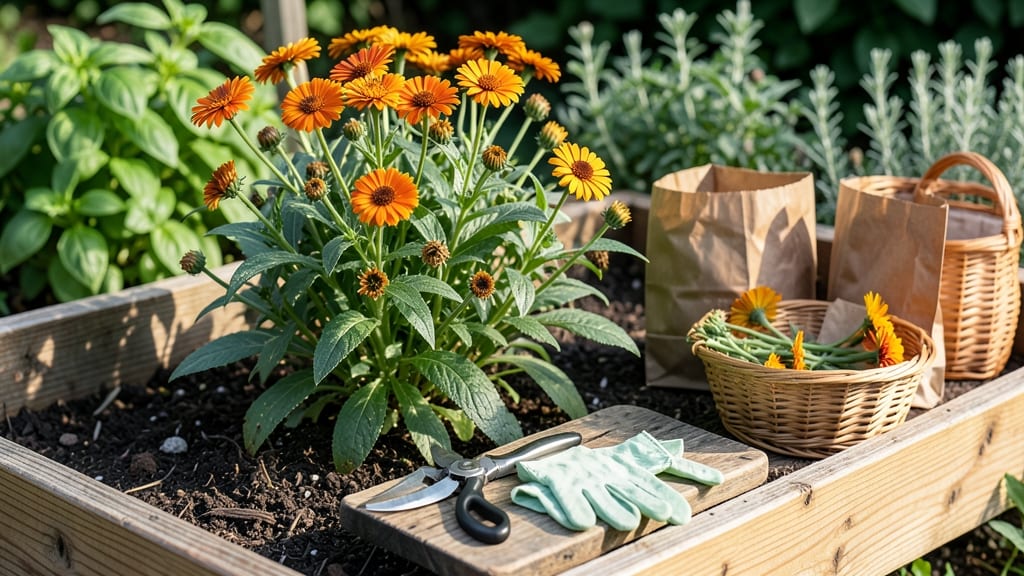
How to harvest calendula for medicinal purposes at the peak of bloom unlocks its full magic. 🌼 The golden-orange petals pack the most anti-inflammatory compounds when picked just as they fully open—before they start wilting. My first harvest taught me that timing matters more than quantity, and a few well-timed snips yield more potent remedies than a whole bed of overripe flowers.
You’ll need sharp scissors or clean fingers, a basket or tray, and a dry, shaded spot for processing. Work on a sunny morning when dew has dried but before the heat of the day.
The petals should separate easily from the center—if they don’t, they’re not ready yet. This method preserves calendula’s skin-soothing properties for tinctures, salves, or teas that actually work.
Once harvested, lay petals in a single layer on a screen or paper towel in a warm, dark place for 1-2 weeks. Stir them daily to prevent mold.
Properly dried calendula keeps its vibrant color and potency for up to 2 years when stored in airtight containers away from light. The result? A homegrown remedy that rivals store-bought versions—and costs a fraction of the price.
For best results, harvest every 2-3 days during peak bloom to encourage continuous flowering. Avoid harvesting in wet weather, as moisture reduces shelf life. This sustainable approach means your garden keeps producing while your medicine cabinet stays stocked with nature’s best anti-inflammatory and wound-healing ally.
📚 In This Guide
- What you need
- Instructions
- Tips and common mistakes
- Wrapping up and next steps
What you need
- ● Fresh calendula flowers: Harvest only fully bloomed, vibrant orange or yellow petals (avoid green buds or wilted flowers). Aim for 1–2 cups of petals (about 20–40 flowers) per batch for standard uses.
- ● Best time to harvest: Late morning after dew has dried but before the heat of midday (between 9 AM–11 AM).
- ● Sharp pruning shears or scissors: Clean, sterilized shears with 4–6 inch blades to avoid crushing stems or damaging petals.
- ● Pro tip: Disinfect with rubbing alcohol before and after use! 🧴
- ● Large bowl or basket: A sturdy, shallow container (preferably 12+ inches wide) lined with a clean towel or paper towels to catch petals and prevent bruising.
- ● Kitchen twine or rubber bands: 1–2 feet of food-grade twine (for drying bundles) or 3–4 rubber bands (to secure stems).
- ● Drying racks or screen: A mesh drying screen (like a window screen or herb drying rack) or a clean, elevated surface (e.g., a cooling rack) in a dark, well-ventilated space.
- ● Air-tight glass jars: 4–8 oz mason jars (with airtight lids) for storage. Sterilize jars by boiling lids or running them through a dishwasher cycle.
- ● Glove: A pair of nitrile gloves to protect hands from mild irritants (like resin) and keep petals clean.
- ● Food dehydrator: For faster drying (set to 95°F–115°F for 2–4 hours).
- ● Labeling supplies: Masking tape + marker or printable labels to note harvest date and potency.
- ○ Fine-mesh sieve: For separating petals from stamens (optional but speeds up processing!).
- ● Essential oil diffuser: A few drops of lavender or chamomile oil in your drying space to enhance potency (studies suggest aromatic herbs dry with increased medicinal compounds!).
- ● Ideal drying conditions: Temperature: 65°F–75°F (avoid humidity or direct sunlight, which can degrade compounds).
- ● Humidity: Below 50% (use a dehumidifier if needed).
- ● Airflow: Gentle, consistent breeze (a small fan on low can help).
- ● Harvest timing: Wait until calendula plants are at least 6–8 weeks old and have 3–5 mature blooms per stem.
Step-by-Step instructions for harvesting medicinal calendula
Here's how to collect calendula petals at their peak potency for tinctures, salves, and teas.
🌿 Step 1: Identify and Select Mature Flowers
Harvest calendula when the petals are fully open but before they begin to droop or show signs of browning. The ideal time is mid-morning after the dew has evaporated but before the sun reaches its peak intensity. Look for buds that have just begun to unfurl—they'll yield the highest concentration of beneficial compounds like flavonoids and carotenoids.
Gently grasp the flower stem between your thumb and forefinger, about an inch below the bloom. Avoid pulling from the center of the plant where new growth emerges—this prevents damaging the plant's energy reserves. You'll know you've picked correctly when the flower comes away cleanly with minimal resistance. For medicinal use, prioritize flowers from organic, pesticide-free plants to ensure purity.
⏰ Step 2: Harvest at the Optimal Time of Day
The best time to harvest calendula for maximum potency is between 9 AM and 11 AM when the plant's essential oils and active compounds are at their peak. Avoid harvesting after noon when the heat can cause the volatile oils to degrade. If you must harvest later in the day, choose a cool, shaded morning after a light rain—this often concentrates the beneficial compounds.
Work quickly to prevent wilting. Use a sharp pair of pruning shears or clean scissors to cut the stems at a 45-degree angle about 2 inches below the flower head. This angled cut increases the surface area for water absorption, helping the plant recover faster. Place harvested flowers immediately in a breathable container like a paper bag or mesh sack to prevent bruising.
💧 Step 3: Process Petals for Maximum Potency
Once home, remove the petals from the flower heads by gently pulling them away from the center. Discard any green sepals or stems, as these contain fewer medicinal compounds. Spread the petals in a single layer on a clean, dry towel in a well-ventilated area away from direct sunlight. Allow them to air-dry completely, which typically takes 3-5 days depending on humidity levels.
To check for dryness, gently press a petal between your fingers—it should crumble easily without leaving any moisture. Store dried petals in an airtight glass jar away from light and heat. For tinctures, use freshly dried petals within 6 months for optimal potency. If you're making infused oils, ensure the petals are completely dry to prevent mold growth during the infusion process.
✂️ Step 4: Encourage Continuous Production
To maintain a steady supply of medicinal calendula, harvest no more than one-third of the plant's flowers at a time. This prevents overstressing the plant and encourages continuous blooming. After each harvest, water the plant deeply to replenish moisture lost during the cutting process. Fertilize lightly with a balanced organic fertilizer if you notice slower regrowth.
Deadhead spent blooms regularly to redirect the plant's energy toward new flower production. Watch for signs of stress like yellowing leaves or stunted growth—these indicate you're harvesting too aggressively. With proper care, a single calendula plant can provide 4-6 harvests per season, yielding enough petals for multiple medicinal preparations.
Tips & tricks for perfect calendula harvesting
Here's what nobody tells you about maximizing your calendula's medicinal power—these details make all the difference.
Timing Secret: The 9 AM to 11 AM window in Step 2 is non-negotiable for potency. That's when calendula's volatile oils peak—like a sunrise concert for your plant's beneficial compounds. If you must harvest later, choose overcast mornings after rain, as the cool, humid conditions actually concentrate those beneficial compounds. Think of it as nature's way of saying "hurry up and get these goodies before they fade!"
Technique Tip: When removing petals in Step 3, work quickly but gently—those delicate petals bruise easily, which can lead to mold during drying. I like to use a small pair of kitchen scissors to snip the petals cleanly from the center, then immediately transfer them to my drying tray. This keeps everything sterile and prevents cross-contamination with any residual plant sap.
Drying Wisdom: The 3-5 day drying time in Step 3 can feel like an eternity, but patience here is crucial. I've learned the hard way that rushing the drying process—especially in humid climates—can lead to moldy petals that ruin your entire batch. If your kitchen feels damp, consider using a food dehydrator set to 95°F for faster, more controlled drying. Just monitor closely to avoid overheating.
Plant Care Game-Changer: That one-third harvest rule in Step 4 isn't just arbitrary—it's about plant physiology. Harvesting more stresses the plant, triggering it to produce fewer flowers and potentially lower-quality petals. I've found that giving my calendula plants a "rest day" between harvests (even if they look healthy) actually increases the potency of subsequent harvests. It's like giving your plant a spa day before its next photoshoot!
Pro Tips for Harvest Calendula For Medicinal Purposes
- Here's what nobody tells you about maximizing your calendula's medicinal power—these details make all the difference.
- Timing Secret: The 9 AM to 11 AM window in Step 2 is non-negotiable for potency.
- Technique Tip: When removing petals in Step 3, work quickly but gently—those delicate petals bruise easily, which can lead to mold during drying.
Frequently asked questions
Got questions about harvesting calendula for its medicinal magic? You’re not alone! Here are some of the most common queries—plus straightforward answers to keep your harvest on track.
When is the best time of day to harvest calendula?
Harvest calendula petals in the early morning after the dew has dried but before the sun peaks (around 8–10 AM). This ensures the highest concentration of beneficial oils and compounds. Avoid harvesting after rain or late in the day, as moisture can dilute potency.
How long does calendula stay fresh after harvesting?
Freshly picked calendula petals last 3–5 days in the fridge if stored properly (in a paper towel-lined container). For long-term use, dry them within 24–48 hours in a dark, well-ventilated space. Proper drying preserves their medicinal properties for months!
Can I harvest calendula leaves, or just the petals?
While petals are the star for medicinal use (rich in flavonoids and triterpenoids), the leaves can also be used—though they’re milder. Leaves are best for teas or poultices, but petals pack a stronger therapeutic punch. Save the leaves for culinary or composting if you’re focused on medicine.
What should I do if my calendula plants get rained on before harvest?
Don’t stress! Light rain won’t ruin your harvest, but wait 24 hours to pick after heavy downpours. Gently shake off excess moisture and let the petals air-dry in a shaded spot. If mold starts forming, toss them—safety first!
Are there any calendula varieties better for medicinal use?
Yes! Look for ‘Orange King’ or ‘Persian Market’ varieties—they have the highest concentrations of beneficial compounds. Avoid hybrid or double-flowered types, as they often have lower medicinal potency. Always check seed labels for “medicinal-grade” designations.
Wrapping up and next steps
Harvesting calendula at the right time and with care unlocks its full medicinal potential—whether for salves, teas, or tinctures. By following these steps, you’ll ensure vibrant petals packed with anti-inflammatory and healing properties.
Now that you’re ready, why not experiment with recipes? Try crafting your first calendula-infused oil or salve—your skin (and plants!) will thank you!