
How To
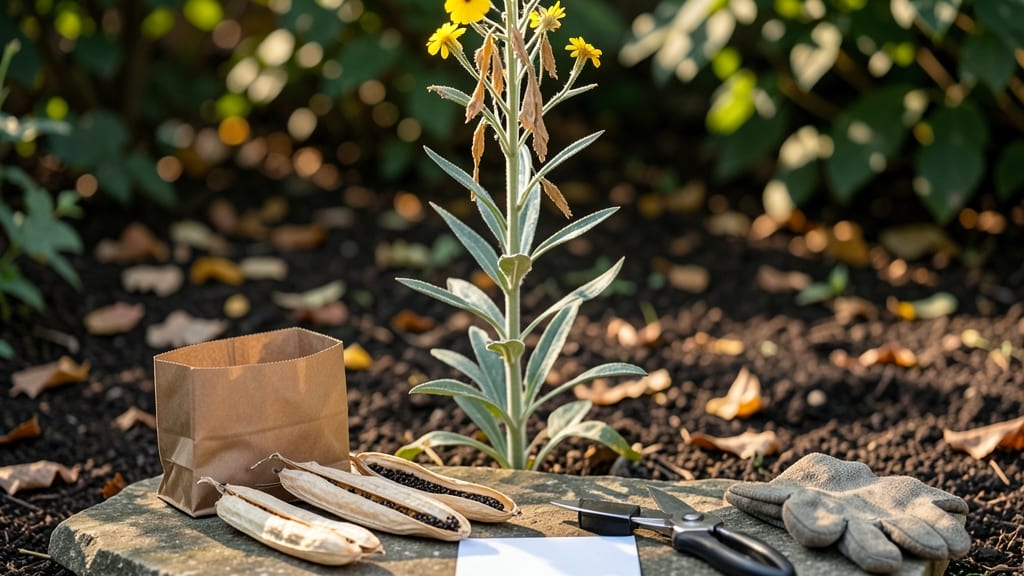
Harvesting evening primrose 🌸 seeds at the right time can mean the difference between a thriving garden next year and wasted effort. This delicate but hardy perennial produces seeds that are surprisingly easy to collect—but only if you know when and how to do it properly.
I’ve spent years growing evening primrose, and the key to successful seed harvesting lies in timing. Waiting until the seed pods turn brown and begin splitting open naturally ensures you’re collecting mature, viable seeds ready for planting.
Miss this window, and you’ll end up with seeds that won’t germinate—or worse, lose them to wind or birds.
In this guide, I’ll walk you through the exact steps to harvest evening primrose seeds without damaging the plant. From identifying the perfect moment in late summer to storing seeds properly for next spring, you’ll learn everything you need to know.
Let’s make sure your garden stays filled with these charming, fragrant blooms for years to come.
Whether you’re saving seeds for propagation or exploring their herbal uses, understanding the process is the first step to success. By the end, you’ll feel confident in your ability to collect, dry, and store evening primrose seeds like a pro. Ready to get started?
When to harvest evening primrose seeds for maximum viability
Harvesting evening primrose seeds at the right time ensures high germination rates and healthy plants for next year. The key is waiting until the seed pods mature fully but before they split open naturally. This delicate window prevents wasted efforts and guarantees viable seeds.
Start by watching for brown, dry seed pods that form after the yellow flowers wilt. These pods should feel brittle to the touch and begin cracking open slightly.
If you harvest too early, the seeds won’t be fully developed, and if you wait too long, they’ll scatter on the ground.
In most USDA Zones 6-9, the ideal harvest time falls between late August and early September. However, cooler climates may extend this window into October, while warmer regions might see earlier maturity in July or August. Always check the pods weekly during this period.
Look for these 3 key signs of readiness: dry brown pods, easily cracked stems, and dark, plump seeds inside. If the pods are still green or firm, they’re not ready yet. Waiting just a few extra days can make all the difference in seed quality.
🌱 Evening Primrose Seed Maturity Guide
| Stage | Pod Appearance | Seed Condition | Harvest Readiness |
|---|---|---|---|
| Early Flowering | Green buds forming | No seeds | Not ready |
| Blooming | Yellow flowers open | Immature | Not ready |
| Post-Bloom | Green pods forming | Light-colored | Not ready |
| Mature | Brown, dry pods | Dark, plump | Ready to harvest |
| Overripe | Pods splitting open | Scattered on ground | Too late |
Climate plays a huge role in timing. In cooler regions, like the Pacific Northwest, pods may take longer to mature due to shorter growing seasons.
Conversely, in hot, dry climates, such as the Southwest, pods dry out faster. Always monitor your plants closely rather than relying on a general calendar.
Harvest on a dry, sunny morning to minimize moisture, which can cause mold or premature seed spoilage. Avoid harvesting after rain, as wet pods are harder to handle and may not dry properly. This simple step can double your seed viability.
If you’re unsure whether your pods are ready, perform the "squeeze test": Gently press a pod between your fingers. If it cracks easily and releases seeds, it’s time to harvest.
If it stays intact, wait another 3-5 days. This quick check saves you from harvesting too early or too late.
Once you’ve confirmed maturity, act quickly but carefully. Evening primrose seeds are lightweight and can scatter in the wind or be eaten by birds. Harvesting in the morning ensures you catch seeds before they disperse naturally.
Pro tip: Mark your calendar after the first flowers bloom to track the 90-day maturation period. This helps you stay ahead of the harvest window and avoid missing the optimal time. With practice, you’ll recognize the perfect moment just by looking at the pods.
When to harvest evening primrose seeds for maximum viability
Timing is everything when harvesting evening primrose seeds. The best time to collect them is in late summer to early fall, typically between August and September, when the seed pods have fully matured.
If you harvest too early, the seeds won’t be viable, but waiting too long risks them scattering on the wind or being eaten by birds.
Look for brown, dry seed pods that are starting to split open naturally. These pods will feel brittle and papery when touched, signaling that the seeds inside are ready for collection. Avoid harvesting pods that are still green or firm, as the seeds won’t be fully developed.
In warmer climates (USDA Zones 8-10), evening primrose may mature earlier, so start checking for ripe pods in July or early August. Conversely, in cooler regions (Zones 3-6), pods may not be ready until late September or October.
Always monitor your plants closely to catch the perfect moment.
🌱 Evening Primrose Seed Maturity Timeline
| Stage | Signs of Readiness | Best Time to Harvest |
|---|---|---|
| Early Flowering | Flowers open in evening, yellow petals | June - July |
| Seed Pod Formation | Pods turn green, then brown | July - August |
| Full Maturity | Pods dry, split open, seeds dark | August - September |
| Overripe | Pods shatter, seeds scatter | Avoid this stage! |
Harvest on a dry, sunny morning to ensure the pods are fully dry and less likely to mold. Avoid harvesting after rain, as excess moisture can reduce seed viability.
If you notice birds or squirrels feasting on your pods, act quickly—these critters love evening primrose seeds and will strip them bare if given the chance.
Pro tip: Mark ripe pods with a small flag or ribbon to easily identify them during harvest. This simple trick saves time and ensures you don’t miss any mature seeds. Once you’ve identified the perfect pods, gently twist them off the stem to avoid damaging the plant.
Remember, patience pays off—rushing the harvest can lead to poor germination rates. Take your time to ensure your seeds are ready for storage or replanting next spring. With the right timing, you’ll have a bountiful supply of evening primrose seeds to share or sow in your garden.