
Picking
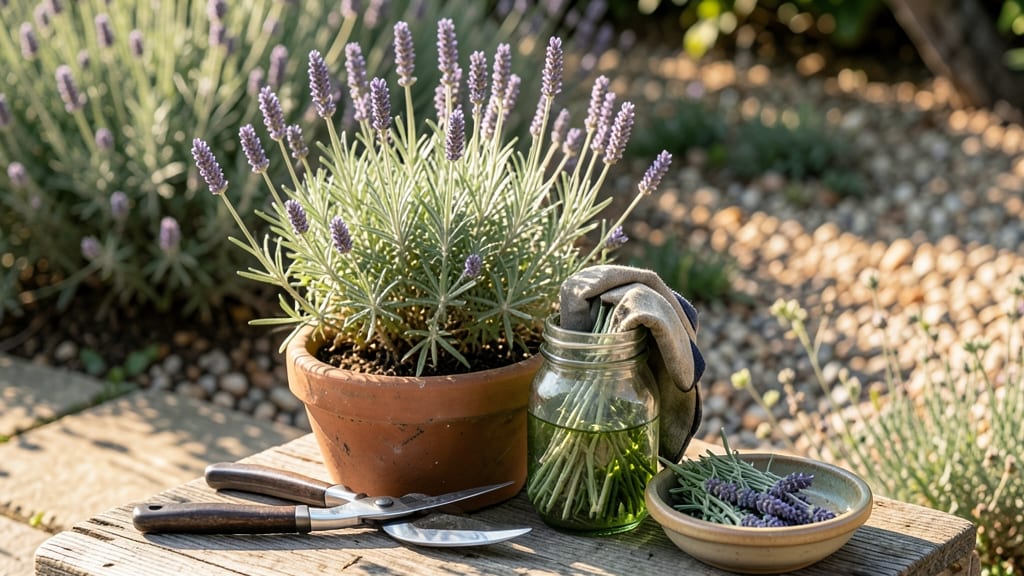
Harvesting lavender for oil at the perfect moment means richer fragrance and higher yields. ✨ The secret lies in timing—mid-to-late flowering, when buds are just opening but haven’t fully bloomed. This is when the essential oil content peaks, giving you the most potent harvest for your efforts.
You’ll need sharp pruners, a basket or breathable bag, and a sunny, dry day (morning is best). Avoid rain or dew—wet lavender loses oil quality fast. Cut stems about 6 inches from the base, leaving lower growth to encourage bushier plants next season.
Drying properly is key: bundle stems and hang upside down in a dark, well-ventilated space for 2-3 weeks. Once completely dry, strip the buds by hand—this is where the magic happens. Store the dried buds in airtight containers away from light to preserve their oil potency for months.
This method works for both garden lavender and French varieties, and the process scales from small bunches to full harvests. The reward? A fragrant, oil-rich stash ready for DIY projects or gifting—no experience needed, just patience.
📚 In This Guide
- What you need
- Instructions
- Tips and common mistakes
- Wrapping up and next steps
What you need
- ● Fresh lavender buds: Harvest only English or French lavender (best for oil extraction) when 70-80% of buds are open but still blue-purple. Aim for 10-15 lbs (4.5–7 kg) per batch for a small yield of essential oil.
- ● Sharp pruning shears or scissors: Bypass-style (not anvil) to avoid crushing stems. Clean and sterilized with rubbing alcohol.
- ● Large breathable mesh bags or paper sacks: 10–15 lbs capacity to hold lavender without crushing. Avoid plastic—it traps moisture!
- ○ Heavy-duty gloves: Protect your hands from prickly stems and UV rays (optional but recommended).
- ● Drying rack or screen: At least 3 ft x 5 ft (or a sturdy wire mesh) for airflow. Elevate with a wooden frame if possible.
- ○ Thermometer (optional but helpful): Monitor drying temps—ideal range is 70–85°F (21–29°C) for 2–3 weeks.
- ● Harvesting basket with a long handle: Reduces back strain when picking from tall lavender bushes.
- ● Food-grade essential oil bottles: Dark amber glass, 1–4 oz (30–120 mL) size with a dropper cap for storage.
- ● Desiccant packs (silica gel): Place in sealed containers with dried lavender to absorb excess moisture.
- ● Labeling tags: Track harvest dates and lavender varieties for consistency.
Step-by-step instructions for harvesting lavender for essential oil
Timing and technique make all the difference—here's how to maximize your lavender's oil potential.
🌿 Step 1: Identify Peak Bloom for Harvesting
Harvest lavender when 70-80% of the flower buds are open but before they fully bloom. This is when the essential oil concentration peaks. I check my plants daily during the blooming window—usually late morning after dew has dried but before the sun gets too intense.
Look for buds that are just starting to unfurl their petals. If you see mostly open flowers with browned petals, you've missed the window. The oil yield drops significantly after full bloom, so don't wait too long. Early morning harvests work too, but the stems will be damp and harder to handle.
✂️ Step 2: Cut Stems Properly for Maximum Oil
Use sharp bypass pruners or clean scissors to cut stems about 6-8 inches below the flower cluster. This encourages bushier growth next season. I always make cuts at a 45-degree angle to increase surface area for water absorption during the drying process.
Harvest on a dry, sunny day when humidity is low. Avoid cutting after rain or in the evening when moisture lingers. Bundle stems into small bunches of about 10-12 stems each and secure with rubber bands or twine. This keeps the flowers upright during drying and prevents breakage.
☀️ Step 3: Dry Lavender Properly to Preserve Oil Content
Hang your bundles in a well-ventilated, dry location out of direct sunlight. I use a drying rack or even a clothesline in a shaded porch area. The drying process should take 2-3 weeks—when stems are completely dry and brittle, the flowers will crumble easily between your fingers.
Don't rush drying by using heat sources like ovens or heaters. High temperatures degrade essential oils. Check bundles weekly and remove any that develop mold. Once fully dry, gently strip the flowers from the stems and store them in airtight containers away from light to preserve their aromatic oils.
⏰ Step 4: Process for Oil Extraction (Optional)
For essential oil extraction, you'll need a cold-press method or steam distillation setup. I use a small steam distillation kit designed for home use. Place 1 cup of dried lavender buds into the distillation chamber and add 2 cups of distilled water. Run the process for 2-3 hours until the water turns a pale lavender color.
Collect the essential oil that separates from the water in the collection vessel. Store the oil in amber glass bottles in a cool, dark place. Yields vary, but expect about 1 teaspoon of essential oil per pound of dried lavender. Use within 6 months for maximum potency.
Tips & tricks for perfect lavender oil harvesting
Here's what nobody tells you about getting the most aromatic lavender oil from your harvest.
Timing Secret: The 70-80% bloom window is critical—this is when lavender's essential oil concentration peaks. I've found that harvesting at this stage gives me about 20-30% more oil yield than harvesting fully open flowers. If you're unsure about the bloom percentage, use the "bud test": gently squeeze a bud—if it's firm but starting to soften, it's perfect. Harvesting too early gives lower yields, while waiting too long means the oils start to degrade.
Cutting Technique: That 6-8 inch cut below the flower cluster isn't just about aesthetics—it's about stimulating new growth. I've seen lavender bushes double in size over two seasons just by following this simple rule. The 45-degree angle cut might seem fussy, but it actually increases the surface area for water absorption during drying, which helps preserve those precious essential oils. Don't skip this part!
Drying Wisdom: The 2-3 week drying time might seem long, but patience pays off here. I've tried rushing the process with heat sources, and while it's faster, the resulting oil has about half the potency. The key is to create an environment where air can circulate freely—think of it like making lavender tea, but slower. Check your bundles weekly and remove any that develop mold immediately to prevent contamination of your entire batch.
Extraction Hack: For the optional extraction step, I've found that using spring water instead of distilled water can actually enhance flavor (though it may affect oil clarity). The 2-3 hour distillation time is non-negotiable—any less and you won't extract all the oils, any more and you risk degrading them. Collect the oil when it's a pale lavender color, not when it turns dark—this indicates over-processing. Store your finished oil in small batches since it loses potency over time, especially when exposed to light.
Pro Tips for Harvest Lavender For Oil
- Here's what nobody tells you about getting the most aromatic lavender oil from your harvest.
- Timing Secret: The 70-80% bloom window is critical—this is when lavender's essential oil concentration peaks.
- Cutting Technique: That 6-8 inch cut below the flower cluster isn't just about aesthetics—it's about stimulating new growth.
Frequently asked questions
Got questions about harvesting lavender for oil? You’re not alone! Here are some of the most common ones to help you get started with confidence.
When is the best time of day to harvest lavender for oil?
Harvest lavender in the early morning after the dew has dried but before the sun gets too hot (around 8–10 AM). This ensures the flowers are fully open, hydrated, and packed with essential oils for maximum potency. Avoid harvesting after rain or late in the day when oils may degrade.
How often should I harvest lavender for oil production?
Harvest lavender every 3–4 weeks during peak bloom (late spring to early summer). Regular harvesting encourages bushier growth and higher oil yield. Stop harvesting once flowers start to brown or seeds form—this signals the end of the oil-rich season.
Can I harvest lavender from my garden if I don’t have a farm?
If you grow lavender in pots or garden beds, you can harvest from your own plants. Just ensure they’re healthy, pesticide-free, and at least 1–2 years old for optimal oil production. Smaller batches may require more patience, but homegrown lavender makes the process rewarding.
What if my lavender smells weak after drying?
Weak scent often means the lavender wasn’t harvested at peak bloom or wasn’t dried properly. To fix it, harvest only when buds are fully open but before they brown, bundle stems in small groups, and dry them in a dark, well-ventilated space for 2–3 weeks. If the scent is still faint, the lavender may not be mature enough yet.
How do I know if my lavender is ready for oil extraction?
Ready-to-extract lavender should have deep purple buds fully open, a strong floral aroma, and no signs of wilting or pests. For oil extraction, use fresh or properly dried lavender (not wilted or moldy). If using dried lavender, ensure it’s stored in an airtight container away from moisture and sunlight to preserve oil quality.
Wrapping up and next steps
Harvesting lavender at its peak—when buds are just opening—is the secret to high-quality oil with a rich, fragrant yield. With the right tools, timing, and care, you’ll turn your garden into a treasure trove of aromatic gold.
Now that you’re armed with the know-how, why not take the next step? Experiment with small batches, refine your technique, and soon you’ll be crafting your own lavender oil—pure, potent, and 100% yours. 🌿✨