
How To
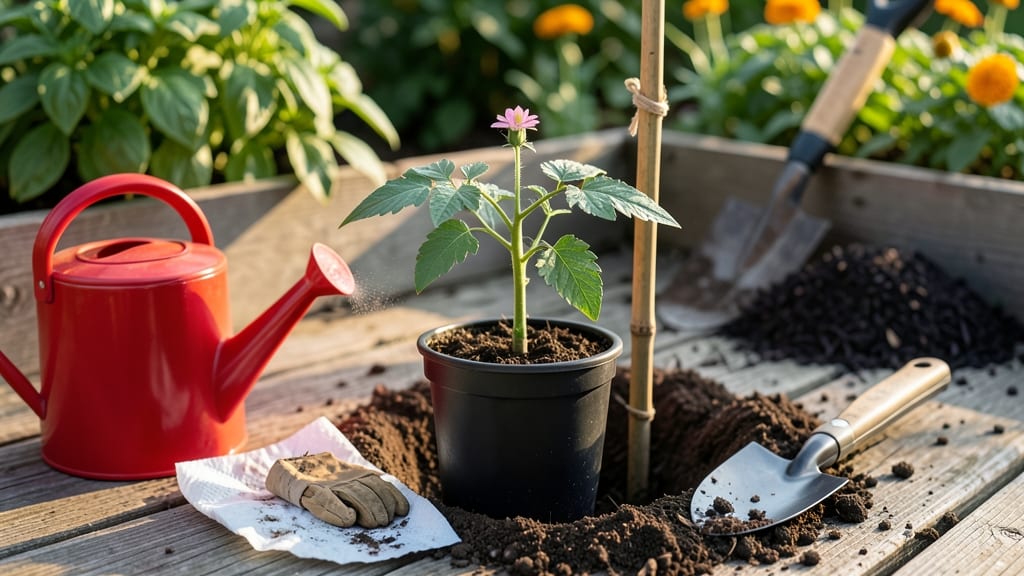
How to help transplant shock turn thriving plants into droopy messes overnight. 🌱 I've nursed back dozens of sad-looking seedlings and mature plants using these simple tricks that work every time—no horticulture degree required. The problem isn't the transplant itself—it's the root trauma that follows. When roots get damaged or dried out during moving, the plant panics and stops growing until it recovers. But with proper watering, pruning, and shade, you can cut recovery time from weeks to days. Start by giving plants a deep drink before transplanting, then trim any damaged roots and upper foliage to reduce stress. Keep them in dappled shade for a few days while roots reestablish, and water consistently without drowning them. You'll see new growth within 7-10 days if you've done it right. Works for everything from delicate seedlings to tough shrubs. Here's how to make it foolproof every time—no more sad, wilted casualties in your garden!
The Hidden Triggers Behind Transplant Shock
Transplant shock isn’t just a vague "plant blues"—it’s a complex physiological response triggered by stress. Understanding why it happens is the first step to preventing it. Below, we break down the real culprits behind transplant shock, from soil chemistry to environmental whiplash, with actionable science-backed explanations.
Plants rely on their roots like we rely on our circulatory system—disrupt that, and everything slows down. When you uproot a plant, even gently, you’re causing physical damage to delicate root hairs and fine feeder roots.
These tiny structures are responsible for 90% of water and nutrient absorption, so losing them means your plant is suddenly starving—even if it’s still in the same soil.
- The science: Root cells release ethylene gas (a stress hormone) when damaged, which triggers a cascade of metabolic slowdown.
Think of it like a plant’s version of panic mode—it conserves energy by reducing growth and photosynthesis. - Actionable insight: The deeper the rootball and the more intact the roots, the better. Minimize root disturbance by using the "drip line method" (watering before transplanting to loosen soil) or root pruning (trimming damaged roots) to encourage faster regrowth.
Transplant shock often starts with a hydration rollercoaster. Plants in their native soil have an established moisture balance, but once moved, they’re suddenly exposed to: - Overwatering risks: Compacted or poorly draining soil can suffocate roots, leading to anaerobic conditions (lack of oxygen).
Roots drown, cells die, and the plant can’t absorb nutrients—even if water is present. - Underwatering risks: Newly transplanted plants often can’t access water efficiently because their roots haven’t re-established. This triggers wilting and leaf scorch, mimicking drought stress.
- The science: Roots need oxygen to function.
When soil is waterlogged, microbial activity depletes oxygen, and roots switch to fermentation—a survival mode that produces toxic byproducts like ethanol, which further damages cells. - Actionable fix: Use well-draining soil mixes (add perlite or vermiculite) and water deeply but infrequently after transplanting.
A soaker hose or drip irrigation delivers moisture directly to roots without disrupting the soil.
Plants are sensitive to sudden changes in their environment. Moving a houseplant from a shaded windowsill to a bright south-facing window or transplanting a garden plant on a windy day can send it into shock. Here’s why:
| Factor | Problem | Plant’s Reaction |
|---|---|---|
| Light shift | Too much sun = photooxidative stress (burned leaves). Too little = chlorosis (yellowing). | Stops photosynthesis, weakens energy reserves. |
| Temperature drop | Cold soil slows root activity. | Metabolism grinds to a halt; nutrient uptake plummets. |
| Wind exposure | Transplanting on a breezy day dries out leaves faster than roots can replace water. | Leaves curl, stomata close (blocking gas exchange). |
- The science: Plants have circadian rhythms—they expect consistency.
Sudden changes trigger oxidative stress, where free radicals (unstable molecules) damage cell membranes. - Actionable fix: - Acclimate gradually: Move plants to their new spot a week before transplanting for 1–2 hours daily. - Use shade cloth for the first few days if light is intense. - Avoid transplanting in extreme temps (below 50°F or above 90°F).
Just like you’d feel sick eating a totally different diet, plants struggle when soil chemistry changes. Three key issues arise: 1. pH shock: Most plants thrive in slightly acidic soil (6.0–7.0).
If you move a blueberry (pH 4.5–5.5) to alkaline garden soil, it can’t absorb iron or manganese, leading to yellowing leaves. 2. Nutrient deficiency: New soil may lack micronutrients (like zinc or boron) that the plant was getting from its old environment.
- Microbial imbalance: Beneficial bacteria and fungi in the rhizosphere (root zone) take time to re-establish. Without them, roots can’t break down organic matter for nutrients.
- The science: Roots rely on mycorrhizal fungi (symbiotic relationships) to extend their reach.
Disrupting this network means the plant must rebuild its "food web" from scratch. - Actionable fix: - Test soil pH before transplanting and amend with lime (to raise pH) or sulfur (to lower pH) as needed. - Add compost or worm castings to replenish microbes and nutrients. - Use a slow-release fertilizer (like osmocote) to bridge the nutrient gap while roots recover.
A stressed plant is a weak plant.
When roots are damaged and energy reserves are low, opportunistic pests and diseases pounce: - Fungal infections (like Phytophthora or Pythium) thrive in waterlogged, stressed roots. - Root maggots or nematodes attack compromised root systems. - Bacterial wilt spreads faster in plants already struggling to transport water.
- The science: Plants produce salicylic acid (a natural defense hormone) when under attack.
But if they’re already in shock, their immune response is dampened, making them easy targets. - Actionable fix: - Inspect roots before transplanting—trim away mushy or discolored sections. - Use neem oil or copper fungicide as a preventive spray post-transplant. - Avoid overcrowding to improve airflow and reduce pathogen spread.
Plants may not have brains, but they do sense stress hormones from their surroundings.
For example: - Transplanting during active growth (spring/summer) puts more strain on the plant than dormant seasons. - Handling rough roots releases abscisic acid (the plant’s "stress hormone"), which signals stomata to close—trapping water inside leaves and causing wilting.
- The science: Studies show that gently handling roots (even with moist paper towels) reduces ethylene production by up to 40% compared to rough uprooting.
- Actionable fix:
- Transplant in early morning or late afternoon to avoid peak heat stress.
- Use a root stimulator (like Seaweed Extract or Humic Acid) to boost natural stress resistance.
Reviving Your Plant Step-by-Step
Transplant shock can feel like a death sentence for your beloved plants, but with the right care, you can nurse them back to health. The key is identifying the root cause and responding with targeted solutions—whether it’s stress from uprooting, poor soil conditions, or environmental mismatches.
Below, we break down practical fixes for common causes, plus prevention tips to keep your plants thriving long-term.
Cause: Disturbed roots during transplanting or overcrowding. Solution:
- Trim damaged roots 🔪: Use sterilized scissors to snip any black, mushy, or broken roots. Focus on saving healthy white or firm roots.
- Repot with care 🏺: Gently loosen the root ball in the new pot to encourage spread. Avoid compacting soil around roots.
- Water lightly at first 💧: Overwatering can drown stressed roots. Use the "finger test"—insert your finger 1 inch into the soil; water only if it’s dry.
Prevention Tip: 💡 Use a root stimulator (like diluted seaweed extract) in the watering can to encourage faster regrowth.
Cause: Sudden changes in light, temperature, or humidity. Solution:
- Gradual acclimation ☀️🌑: Move plants to their new spot over 3–5 days, increasing exposure slowly (especially for light-sensitive varieties like ferns or calatheas).
- Humidity boost 🌫️: Group plants together or use a pebble tray with water to raise humidity. Misting helps, but avoid soggy leaves.
- Temperature stability ❄️☀️: Keep plants away from drafts, AC vents, or radiators for 1–2 weeks post-transplant.
Pro Tip: ✨ Label your plants with their ideal conditions (e.g., "Bright Indirect Light") to avoid future mismatches.
Cause: Poor drainage, nutrient depletion, or incompatible soil mix. Solution:
- Flush the soil 🚿: Water thoroughly to leach out excess salts or chemicals from old soil. Let it drain completely.
- Amend the mix 🌿: Add perlite, vermiculite, or coconut coir (20–30%) to improve aeration. For nutrient-loss issues, use a balanced fertilizer (half-strength) after 2 weeks.
- Check pH levels 📊: Test soil pH (kits are cheap!) and adjust with lime (to raise pH) or sulfur (to lower it) if needed.
Quick Fix: 💪 Top-dress with worm castings for a gentle nutrient boost without overwhelming roots.
Cause: Weakened plants attract pests or fungal infections. Solution:
- Isolate the plant 🛑: Keep it away from other plants until fully recovered (1–2 weeks).
- Neem oil spray 🍃: Mix 1 tsp neem oil + 1 tsp mild soap in 1 quart water. Spray leaves (and soil) weekly to deter pests and fungi.
- Monitor for signs 👀: Yellowing leaves, sticky residue, or white webbing? Act fast—treat with insecticidal soap or horticultural oil.
Prevention Tip: 🔥 Quarantine new plants for 2 weeks before introducing them to your collection.
Once your plant shows signs of recovery (new growth, vibrant leaves), shift to a maintenance routine:
- Water consistently but avoid soggy soil.
- Rotate pots monthly to ensure even light exposure.
- Fertilize lightly every 4–6 weeks during growing season.
Final Pro Tip: 🎯 Keep a plant journal to track transplant dates, soil changes, and recovery progress—it’s a game-changer for future moves!
Remember: Patience is key—some plants take 4–6 weeks to fully bounce back. With these steps, your transplant shock survivors will not only recover but thrive like they never left home! 🌟
Frequently asked questions
How long does it take for plants to recover from transplant shock?
Most plants show signs of recovery within 7-14 days, but full recovery can take 4-6 weeks depending on the plant type. Delicate seedlings may bounce back faster (5-7 days) while mature trees or woody shrubs can take months. Watch for new growth at the stem base—this is your best indicator of progress.
Can I use fertilizer right after transplanting?
Wait 3-4 weeks before fertilizing—stressed roots can't absorb nutrients effectively. Start with a half-strength balanced fertilizer (like 10-10-10) after this period, or use organic options like worm castings. The goal is to support recovery, not overwhelm the plant.
What's the best time of day to transplant plants?
Early morning or late afternoon is ideal—avoid peak sun hours (10am-4pm) when temperatures are highest. This prevents rapid moisture loss through leaves while roots establish. Cloudy days are perfect for transplanting as they reduce stress from direct sunlight.
How do I know if my plant is suffering from transplant shock vs. disease?
Transplant shock symptoms include wilting, yellowing leaves, and slowed growth without visible pests or spots. Disease signs appear as brown spots, mold, or sticky residue. The key difference: shock symptoms improve with proper care, while disease requires targeted treatment (like fungicides).
Can I transplant plants in cold weather?
Temperatures below 50°F (10°C) slow root growth significantly. For cold-hardy plants, transplant in fall or early spring when soil is workable but not frozen. Use mulch to insulate roots, and avoid transplanting during frost or heatwaves—extreme temps compound stress.