
Landscaping
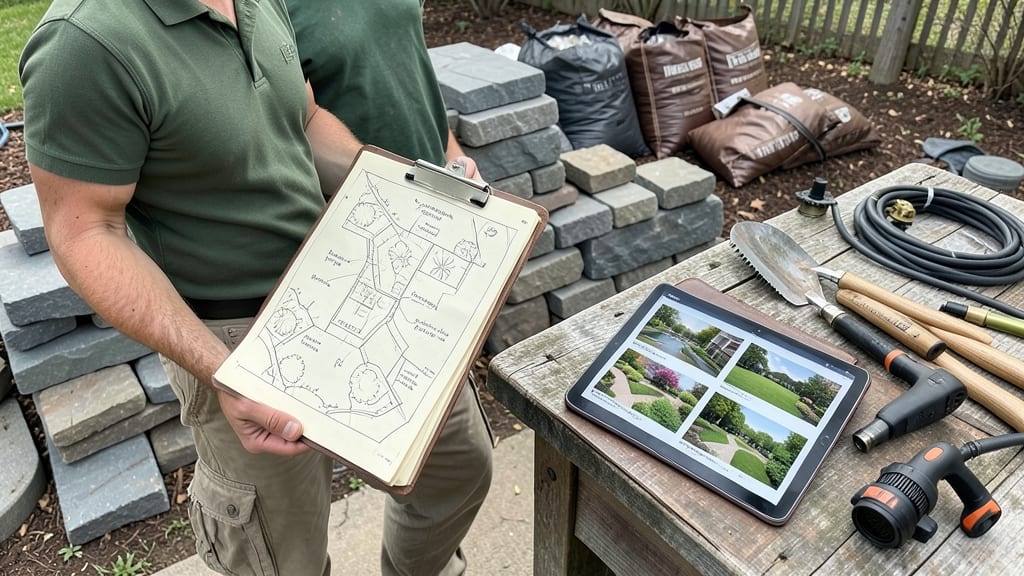
Your yard deserves more than just grass—it deserves a transformative design that reflects your style and enhances your outdoor living. 🌿 How to hire a professional for custom landscaping projects turns a blank space into a functional, beautiful retreat, but not all designers deliver the same results.
The key is knowing what to look for before the first shovel hits the ground.
Start by defining your vision: Do you want a low-maintenance native plant garden, a cozy fire pit area, or a modern hardscape design? Clear goals help you find a landscaper whose expertise matches your needs.
Next, check credentials—look for licensed professionals with experience in projects similar to yours, and don’t hesitate to ask for references from past clients.
A great portfolio isn’t just about pretty pictures—it’s about seeing how a designer handles challenges like drainage, soil quality, and plant longevity. Ask about their process for sustainability, too: Are they incorporating drought-resistant plants, rain gardens, or eco-friendly materials?
The right professional will listen to your ideas and translate them into a functional, long-lasting design that grows with you.
Once you’ve narrowed it down, review contracts carefully—scope of work, timelines, and payment schedules should all be clearly outlined. Avoid designers who pressure you to sign quickly or lowball estimates that seem too good to be true.
With the right partner, your yard won’t just look amazing—it’ll become the heart of your home.
📚 In This Guide
- What you need
- Instructions
- Tips and common mistakes
- Wrapping up and next steps
What you need
- ● Site Plan & Measurements: Detailed sketches or digital scans of your yard (include property lines, existing structures, and utility locations). Pro tip: Use a laser measure or app like blank">Measure for accuracy! 📊
- ○ Soil Samples: 2–3 samples from different areas of your yard (test for pH, drainage, and nutrient levels). Optional but helpful: A DIY kit (e.g., blank">Luster Leaf) or lab testing for precision.
- ● Permits (if applicable): Check local regulations—some areas require permits for hardscaping (e.g., patios, retaining walls) or tree removal. Pro tip: Ask your pro to handle this—they’re often familiar with local codes! ✨
- ● Budget Breakdown: A clear budget range (e.g., $15K–$30K) for materials, labor, and contingencies (aim for 10–15% extra for unexpected costs).
- ● Reference Photos: 5–10 images of styles you love (e.g., Japanese zen, modern minimalist, cottagecore) to share with your designer.
- ● Essential Tools: Skid steer or mini excavator (for digging, grading, or heavy lifting).
- ● Stump grinders (if removing trees/stumps).
- ● Concrete mixers & vibrators (for patios, walkways).
- ● Chainsaws, hedge trimmers, and pruners (for shaping plants).
- ○ Optional (But Helpful) Extras: Laser levels & GPS survey tools (for precision grading).
- ● Soil aerators & core samplers (for lawn health).
- ● Drip irrigation systems (if integrating smart watering).
Step-by-step guide to hiring a custom landscaping designer
Finding the right designer transforms your yard from ordinary to extraordinary—here’s how to vet and hire with confidence.
🌿 Step 1: Define Your Vision and Budget
Start by sketching rough ideas of what you want—whether it’s a modern Zen garden, a lush native plant oasis, or a functional outdoor living space. I always recommend writing down non-negotiables (like a specific plant palette or hardscape materials) and flexible elements (such as color schemes or decorative accents). This clarity helps designers understand your style and prioritize your must-haves.
Next, establish a realistic budget. Landscaping costs vary wildly—$10–$50 per square foot for basic designs, $50–$150 per square foot for mid-range projects, and $150+ per square foot for high-end custom work. I’ve seen clients lowball their budget and end up with compromised materials or rushed timelines. A designer worth hiring will push back if your expectations don’t align with your budget.
📏 Step 2: Research and Vet Potential Designers
Look for designers with 5+ years of experience in projects similar to yours. Check their portfolios for before-and-after photos, client testimonials, and case studies—real talk, a polished website isn’t enough. I always dig into reviews on platforms like Houzz or Google, paying attention to comments about communication, timeliness, and creativity. Red flags include vague descriptions, no contact info, or overly generic project photos.
Ask for references and follow up with past clients. Specific questions to ask: “Did the designer stay within budget?”, “Were there unexpected challenges, and how were they handled?”, and “Would you hire them again?” A reputable designer will connect you with 2-3 references without hesitation. I’ve hired designers who hesitated to provide references—turns out, they had a history of disputes.
☀️ Step 3: Schedule Consultations and Compare Approaches
Narrow your list to 3-4 designers and schedule in-person or virtual consultations. Bring your vision sketches, budget, and any inspiration photos. Watch how they listen—do they ask clarifying questions, or do they jump to assumptions? A great designer will challenge your ideas thoughtfully (e.g., “This plant won’t thrive in your climate—here’s a better alternative”) rather than just agreeing to please you.
Pay attention to their process. Do they offer 3D renderings, detailed site plans, or just rough sketches? Will they handle permits, material sourcing, and contractor coordination? I’ve worked with designers who treated landscaping as an art project but left clients scrambling to manage logistics. Clarify upfront who’s responsible for what—this saves headaches later.
✂️ Step 4: Review Proposals and Contracts Carefully
After consultations, you’ll receive written proposals outlining scope, timeline, and costs. Compare apples to apples—some designers include installation, while others only provide design services. Look for itemized pricing (not just a lump sum) and a clear breakdown of what’s included. I’ve seen proposals that omitted critical details like soil prep or irrigation system design, leading to surprise costs.
Never skip the contract. It should specify payment schedules (typically 30-50% upfront, with milestones like 50% at design completion and the final 20% upon project finish), change-order policies, and a start-to-completion timeline. A trustworthy designer will insist on a contract—if they don’t, walk away. Here’s the thing: contracts protect both of you from misunderstandings down the road.
🪴 Step 5: Launch the Project and Monitor Progress
Once you’ve signed, the designer should provide a detailed project timeline with key milestones (e.g., soil testing, permit approvals, planting schedules). Schedule weekly check-ins to review progress and address any issues early. I’ve seen projects derail because clients assumed “out of sight, out of mind”—but landscaping is a collaboration, not a hands-off service.
Stay engaged during the process. If the designer suggests adjustments (like swapping a plant due to soil conditions), trust their expertise. The goal is a yard that thrives and reflects your vision. Once the project wraps, don’t forget to leave a review and ask for photos of the finished work—you’ll want these for future reference (and bragging rights!).
Tips & tricks for hiring a custom landscaping designer
A few strategic moves can turn your yard transformation from stressful to seamless. Here's what I've learned from years of working with top-tier designers.
Budget Transparency: The $10–$50 per square foot range for basic designs might seem like a bargain, but don't let it blind you to quality compromises. I've seen clients opt for the lower end only to face costly repairs later. Always ask designers to itemize their pricing—especially for soil prep, hardscaping, and irrigation—which often get buried in "design fees." A reputable designer will push back if your budget can't support your vision, which is actually a good sign.
Portfolio Deep Dive: Beyond pretty photos, look for case studies that show the designer's problem-solving skills. Pay attention to projects similar in scale and style to yours. I once hired a designer whose portfolio looked amazing until I noticed their "before" photos showed ideal conditions—while my yard had drainage issues. Ask for examples of projects with similar site challenges (slopes, poor soil, etc.) and how they were resolved.
Contract Non-Negotiables: That 30-50% upfront payment might feel steep, but it's standard for a reason—it ensures designers are committed. What's often overlooked are the change-order clauses. I've seen contracts where clients got hit with 50% markups for "minor" adjustments. Always specify in writing what constitutes a change order and what doesn't. A good designer will include language protecting both parties from scope creep.
Process Clarity: When designers mention "detailed site plans," ask to see examples of what that actually includes. I've worked with designers who delivered beautiful renderings but left clients scrambling to interpret vague notes about plant spacing or material specifications. Request a sample of their working documents—this gives you a clear picture of their communication style and attention to detail before you sign anything.
Pro Tips for Hire A Professional For Custom Landscaping Projects
- A few strategic moves can turn your yard transformation from stressful to seamless.
- Budget Transparency: The $10–$50 per square foot range for basic designs might seem like a bargain, but don't let it blind you to quality compromises.
- Portfolio Deep Dive: Beyond pretty photos, look for case studies that show the designer's problem-solving skills.
Frequently asked questions
about hiring a professional for custom landscaping can help clarify doubts and streamline your decision-making process. Here are some commonly asked questions to guide you:How much does custom landscaping typically cost?
Costs vary widely based on project scope, materials, and location. On average, custom landscaping can range from $5,000 to $50,000+ for a full yard overhaul. A professional can provide a detailed estimate after assessing your space and goals. Always request multiple quotes to compare pricing and services.
What’s the best time of year to start a landscaping project?
The ideal time depends on your climate and plants. Spring and early fall are generally best—soil is workable, and plants establish roots before extreme weather. Avoid winter (unless planting dormant perennials) or peak summer heat, which can stress new plantings. Consult your landscaper for region-specific timing.
Do I need a permit for custom landscaping?
Permit requirements vary by location. Many areas require permits for structural changes (e.g., retaining walls, patios, or drainage systems) over a certain height or size. Check with your local municipality or county office before hiring. Your landscaper may also handle permit paperwork—ask upfront!
Are there affordable alternatives to full-service landscaping?
Yes! Consider phase-based projects (prioritizing high-impact areas first) or DIY-friendly tasks like mulching, pruning, or installing ground cover. Some pros offer design-only services or hourly labor for smaller jobs. Discuss your budget early to find a tailored solution.
What should I do if my landscaper misses deadlines or doesn’t meet expectations?
First, communicate openly—ask for updates and solutions. If issues persist, review your contract for warranty clauses or dispute resolution. Document all interactions (emails, photos) and escalate to a supervisor or licensing board if needed. Never pay in full upfront—reputable pros use progress payments.
Wrapping up and next steps
Transforming your yard into a stunning outdoor oasis is an exciting journey—and hiring the right professional makes all the difference! 🌿 By following these steps—defining your vision, researching experts, checking credentials, reviewing portfolios, and communicating clearly—you’re well on your way to finding a landscaper who brings your dreams to life. Now’s the time to take action!
Ready to elevate your space? Start by reaching out to 2-3 top candidates today—schedule consultations, ask for references, and trust your instincts. Your perfect yard is just a conversation away! 🌟