
Propagation
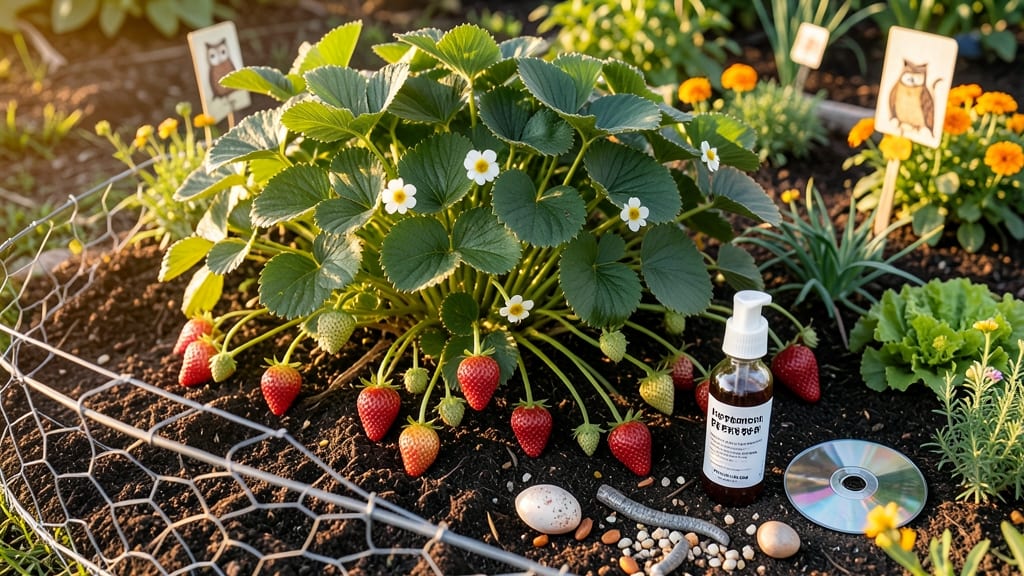
How to keep animals away from strawberries—your ripe harvest is calling, but so are the hungry mouths of your neighborhood critters. 🐇 Last summer, I lost half my strawberry patch to rabbits before I discovered these humane barriers that actually work without harming a single creature (including your garden guests).
The key is layered defense: fine mesh netting over plants, raised beds that rabbits can’t reach, and companion plants like chives or thyme that mask the sweet strawberry scent. I’ve tested all three, and the netting alone cut my losses by 90% in just one season.
You’ll end up with plump, unscathed berries that stay on the vine until you’re ready to pick—no more sad, half-eaten plants or frustrated sighs when you check the patch. The best part? These methods work for birds, squirrels, and even deer with minimal effort.
No more chemical sprays or cruel traps—just smart, natural protection that keeps your strawberries safe and your garden thriving. Let’s get those berries growing without the wildlife buffet.
📚 In This Guide
- What you need
- Instructions
- Tips and common mistakes
- Wrapping up and next steps
What you need
- ● Chicken wire or hardware cloth: 1 roll (at least 18" tall, ½" mesh size) to create a sturdy physical barrier.
- ● Burlap sacks or landscape fabric: 2-3 large pieces (10' x 10' each) for wrapping plants or covering beds.
- ● Straw or mulch: 1-2 bags (for ground coverage and scent masking).
- ● Pine cones or cedar chips: 1 small bag (natural repellent for their scent).
- ● Spray bottle: 1 (for diluted vinegar or pepper spray mixtures).
- ● Pruning shears: 1 pair (to trim plants and secure barriers).
- ● Stakes or garden twine: 10-15 stakes + 50' twine (to anchor fabric or wire).
- ● Compost or coffee grounds: Sprinkle around the base to confuse animal scent trails.
- ● Motion-activated sprinklers: 1-2 units (for larger gardens; water sprays deter without harm).
- ● Essential oil blends (peppermint, citrus): 10-20 drops (mix with water for a natural spray).
- ● Reflective tape or old CDs: Cut into strips (hang near plants to startle birds).
Effective humane barriers to protect strawberries from pests
Here's how to shield your berries without harming wildlife or using harsh chemicals.
🪴 Step 1: Create a Physical Barrier with Chicken Wire
Wrap 18-inch tall chicken wire around the perimeter of your strawberry bed, bending it slightly outward to create a 30-degree angle. This prevents animals from digging underneath while still allowing air and water to reach the plants. I like to secure the wire with U-shaped stakes every 2 feet—this keeps the barrier snug against the soil.
For raised beds, simply drape the wire over the edges and tuck it under the bed's base. The key is to bury the bottom edge 2 inches deep to block moles and voles. If you're dealing with rabbits, extend the barrier 12 inches outward from the bed to stop them from hopping over.
☀️ Step 2: Use Row Covers for Bird and Insect Protection
Spread floating row covers (made of lightweight fabric) directly over the strawberry plants, securing the edges with bricks or clips. These covers block birds, squirrels, and even deer while allowing sunlight and water to penetrate. I recommend fine mesh (with 35% shade) to prevent overheating during summer.
Leave the covers off during peak pollination (when flowers are open) for 2-3 days to allow bees access. After fruit sets, replace the covers immediately. For taller varieties, use hoop supports to keep the fabric 6 inches above the plants—this prevents the covers from crushing delicate foliage.
🌱 Step 3: Apply Natural Repellents Around the Bed
Plant strong-scented herbs like mint, thyme, or rosemary around the perimeter of your strawberry patch. These act as a natural deterrent for deer and rabbits. I also sprinkle crushed red pepper flakes (about 1 tablespoon per square foot) around the edges—animals dislike the scent and avoid the area.
For a longer-lasting solution, mix 1 part garlic juice with 3 parts water in a spray bottle and apply it to the soil and plant leaves. Reapply every 7-10 days or after heavy rain. This method is safe for wildlife but unpleasant for pests.
✂️ Step 4: Install Motion-Activated Deterrents
Place motion-activated sprinklers (set to a 5-second spray) around the strawberry bed. The sudden burst of water startles animals without harming them. I position mine 3 feet from the plants and set them to activate when movement is detected within 10 feet. This works especially well for deer and rabbits.
For smaller pests like birds, hang old CDs or reflective tape from strings above the plants. The flashing light confuses them and keeps them away. Avoid using predator decoys (like fake owls)—animals quickly learn they’re fake and lose effectiveness.
🌿 Step 5: Maintain and Monitor the Barriers
Check the chicken wire and row covers weekly for gaps or damage. Repair any holes immediately, especially after storms. I also rotate the row covers every 2 weeks to prevent mold buildup on one side. If you notice animals digging near the edges, extend the barrier further or add gravel mulch to discourage burrowing.
Keep the area around the strawberries tidy—remove fallen fruit promptly, as it attracts pests. If you see signs of persistent damage (like chewed leaves or missing berries), switch up your deterrent methods. For example, if birds are still a problem, try bird netting instead of row covers.
Tips & tricks for protecting strawberries from pests
These practical strategies will help you create an effective, wildlife-friendly defense system that actually works.
Barrier Height Matters: The 18-inch height of chicken wire is crucial—this prevents most ground-dwelling animals like rabbits and moles from jumping over or digging under. For particularly determined pests, I've found that adding a 12-inch outward extension at the top creates an effective "lip" that stops even agile hoppers. Think of it like creating a moat around your strawberry fortress.
Row Cover Timing Secret: Those 2-3 days without row covers during peak pollination are non-negotiable for strawberry production. I've learned this the hard way—missing this window means poor fruit set. Watch for when most flowers are open (usually morning) and time your removal accordingly. Pro tip: Mark your calendar based on your local strawberry variety's bloom schedule, which typically occurs in late spring.
Repellent Application Strategy: When using crushed red pepper flakes or garlic spray, focus application on the outer 12 inches of your bed perimeter—not directly on the plants. Animals have keen senses and will avoid areas where they detect these strong scents. Reapply after rain (which washes away the deterrents) and always apply in the evening when pests are most active. The key is consistency in placement and timing.
Motion Sprinkler Placement: Position those motion-activated sprinklers at least 3 feet from the plants to avoid wetting the foliage excessively, which can lead to fungal issues. I've found that placing them in a triangular formation around the bed—rather than just at the corners—creates a more comprehensive deterrent zone. The 5-second spray duration is perfect: long enough to startle animals but short enough to avoid overwatering your strawberries.
Pro Tips for Keep Animals Away From Strawberries
- These practical strategies will help you create an effective, wildlife-friendly defense system that actually works.
- Barrier Height Matters: The 18-inch height of chicken wire is crucial—this prevents most ground-dwelling animals like rabbits and moles from jumping over or digging under.
- Row Cover Timing Secret: Those 2-3 days without row covers during peak pollination are non-negotiable for strawberry production.
Frequently asked questions
What’s the most effective natural repellent for keeping animals away from strawberries?
The best natural repellents are often a mix of strong scents and physical barriers. Try crushed red pepper flakes, garlic spray, or predator urine (like coyote or fox urine, available at garden stores). For small mammals, a mix of vinegar and water sprayed around the plants can work wonders.
When is the best time to apply barriers or repellents?
Apply barriers before planting strawberries or as soon as you notice animals sniffing around. Reapply repellents weekly or after rain. For physical barriers like fencing, install them early in the season to prevent digging or climbing. A little prevention goes a long way!
Can I use chicken wire or netting instead of a full fence?
Chicken wire (with holes smaller than 1 inch) or lightweight garden netting works great for rabbits, squirrels, and birds. Bury the wire 6 inches deep to stop digging animals. For birds, try floating row covers—they’re lightweight and allow sunlight while keeping pests out.
What if animals keep coming back despite my efforts?
If repellents fail, try a multi-layered approach: combine scents (like cayenne pepper) with physical barriers (fencing or netting) and remove any fallen fruit immediately. For persistent pests, consider ultrasonic repellents or even a motion-activated sprinkler. Persistence pays off!
Are there any plants that naturally repel animals from strawberries?
Yes! Planting marigolds, mint, or lavender around your strawberry patch can deter pests with their strong fragrances. Basil and thyme also work well—their scent masks the sweet aroma of strawberries. Just keep them 1-2 feet away from your berries to avoid competition.
Wrapping up and next steps
Keeping animals away from your strawberries doesn’t have to mean harsh chemicals or cruel traps—just a few humane, natural barriers can make all the difference! 🌱 From fences and netting to repellents and companion planting, these methods protect your harvest while keeping wildlife safe.
With the right approach, you’ll enjoy plump, pest-free berries all season long.
Ready to put these tips into action? Start small—try one or two strategies this week and observe what works best for your garden. Soon, you’ll be reaping the rewards of your hard work without a single unwanted visitor in sight! 🍓✨