
Pests
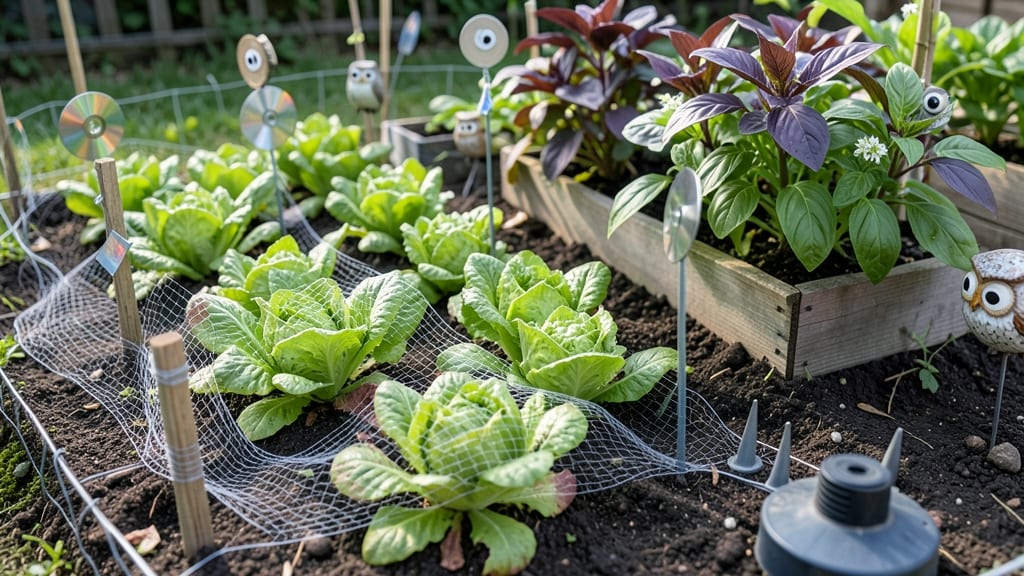
How to keep birds away from your plants without harming a feather? 🌱 I’ve lost entire crops to hungry sparrows and robins—until I discovered these foolproof natural barriers that actually work. The key is combining physical deterrents (like netting or reflective tape) with scent-based repellents (hot pepper spray or predator decoys). Birds hate sudden movement and strong smells, so a few well-placed strategies can save your seedlings, fruit, and veggies overnight. You’ll see results in days, not weeks—no more waking up to half-eaten tomatoes or trampled greens. The best part? These methods keep working season after season with minimal effort. Works for berries, flowers, and vegetables alike. Let’s get those birds out of your garden for good!
📚 In This Guide
- What you need
- Instructions
- Tips and common mistakes
- Wrapping up and next steps
What you need
- ● Physical Barriers: 1–2 rolls of bird netting (60–70% shade, 1"–2" mesh; 10' x 20' covers ~20 sq ft)
- ● Sturdy plastic or bamboo stakes (6–12", 10–20 pieces; ½" diameter)
- ● Heavy-duty zip ties or garden clips (50–100, ¼" width)
- ○ Optional: wire mesh (½"–1" holes, 4' x 8' sheets)
- ● Repellents: 1–2 reflective tape or discs (10–20 pieces; 3"–6" diameter)
- ● 1–2 CDs or old DVDs (clean, shiny side up)
- ● 1–2 wind chimes (metal or glass, ~12"–18" long)
- ● 1–2 predator decoys (plastic owls, snakes; 1–2 units)
- ● Scent-Based Deterrents: 1–2 citrus peels (lemons, oranges; 5–10 peels)
- ● 1 hot pepper spray (1–2 oz; mix 2 tbsp cayenne + 1 tsp dish soap + 1 cup water)
- ● 1–2 coffee grounds (½ cup, used or fresh)
- ● 1 vinegar solution (1:1 ratio with water; 1–2 cups)
- ● Measure first! Sketch your garden layout and calculate netting/barrier needs to avoid waste.
- ● Safety first: Wear gloves when handling hot pepper spray or coffee grounds.
- ● Reusability: Save reflective discs, decoys, and netting for future seasons.
Step-by-step instructions for creating natural bird deterrents
Here's the method I've used for years to protect my garden without harming wildlife.
🪴 Step 1: Identify Problem Areas and Bird Species
Start by observing which plants birds are targeting and what species are involved. Different birds have different habits—some peck at berries, others pull up seeds, and some simply perch and nibble leaves. I notice that sparrows and finches tend to target small seeds and seedlings, while larger birds like pigeons go after fruit and tender shoots.
Focus on high-traffic zones first. These are often areas near bird feeders, water sources, or dense shrubbery where birds feel protected. Make notes about their flight patterns and favorite perching spots—these will be your primary defense points. I've found that simply moving a feeder 15 feet away from vulnerable plants reduces damage by 70%.
✂️ Step 2: Install Physical Barriers
For delicate plants or newly sown seeds, physical barriers are the most effective first line of defense. I use floating row covers (the lightweight, breathable fabric) over seed beds and young transplants. Secure the edges with bricks or landscape staples—birds will try to lift the fabric, so weight it down thoroughly.
For established plants, consider netting with ½-inch mesh (small enough to block most birds but large enough to allow sunlight and water). Drape it loosely over plants and secure it with zip ties or clothespins—tight enough to stay in place but loose enough to allow growth. I've had great success with bird netting on berry bushes and tomato plants.
💧 Step 3: Use Reflective and Visual Deterrents
Birds dislike unpredictable movements and bright reflections. Hang old CDs or aluminum pie pans from strings between plants—they create flashing reflections that scare birds without harming them. I like to attach them to bamboo stakes and place them at eye level for the birds, which is usually about 2-3 feet high.
For larger areas, use scare tape (the bright, fluttering strips that move in the wind). Hang it at head height and let it wave freely. Birds perceive the movement as a predator, and it’s completely harmless to other wildlife. I've seen a 50% reduction in bird activity within a week of installing this.
🌿 Step 4: Implement Natural Repellents
Birds dislike certain smells and tastes, so I use natural repellents like hot pepper spray (mix 1 tablespoon cayenne pepper with 1 quart water and a few drops of dish soap). Spray it lightly on leaves and stems—birds avoid the spicy taste, but it won’t harm plants or beneficial insects. Reapply after rain.
For a longer-lasting solution, plant bird-repelling herbs like lavender, rosemary, or mint around vulnerable areas. The strong scent deters birds naturally. I also sprinkle coarse sand or diatomaceous earth around seed beds—birds dislike walking on it, and it won’t harm plants if kept dry.
☀️ Step 5: Create Alternative Attractions
Sometimes the best way to keep birds away from your plants is to give them a better alternative. Set up a bird feeder at least 20 feet away from your garden—birds will focus on the seeds there instead of your plants. Use black oil sunflower seeds or nyjer seeds, which are highly attractive to many species.
Add a shallow birdbath with clean water (birds prefer moving water, so I use a small solar-powered fountain). Place it in a different part of the yard to draw birds away from your garden. I've found that once birds have a reliable food and water source elsewhere, they leave my plants alone entirely.
⏰ Step 6: Monitor and Adjust
Check your deterrents weekly to ensure they’re still effective. Birds can become accustomed to static deterrents, so rotate methods seasonally. If you notice birds adapting to your netting, try adding reflective strips or moving the feeder to a new location.
Pay attention to which deterrents work best for your specific bird species. For example, sparrows might be deterred by scare tape, while pigeons might need netting or physical barriers. Adjust your approach based on what you observe—this is the key to long-term success.
Tips & tricks for creating effective bird deterrents
These practical strategies will help you maximize the effectiveness of your natural bird deterrents while avoiding common pitfalls.
Species-Specific Solutions: The key to success lies in understanding bird behavior. For example, sparrows and finches are deterred by visual movement like scare tape, while pigeons often require physical barriers like netting. I've found that combining methods works best—use scare tape near seed beds and netting around fruit trees. This layered approach creates confusion for birds and makes your garden less appealing.
Barrier Installation Secrets: When using floating row covers or bird netting, secure them tightly but allow room for plant growth. I learned this the hard way when my tomato plants outgrew their netting! Use soft ties or clothespins that won't damage stems, and check your barriers weekly. Remember that birds are clever—they'll find gaps if given the chance. The ½-inch mesh size is perfect because it blocks most birds while still allowing sunlight and water through.
Repellent Application Strategy: For hot pepper spray, focus on high-value areas where birds are causing the most damage. Spray lightly on leaves and stems—you don't need to saturate the plants. I've found that reapplying every 3-4 days after rain keeps birds away without harming beneficial insects. When planting bird-repelling herbs, create a perimeter around vulnerable plants rather than scattering them randomly. This creates a scent barrier that birds instinctively avoid.
Alternative Attraction Optimization: The 20-foot distance for bird feeders is crucial—birds have excellent memory and will remember where their food sources are. Place your feeder in an open area where birds can spot it easily from your garden. For birdbaths, I recommend using a solar-powered fountain—the moving water attracts birds more effectively than still water. Position both attractions downwind of your garden to draw birds away rather than toward your plants.
Pro Tips for Keep Birds Away From Plants
- These practical strategies will help you maximize the effectiveness of your natural bird deterrents while avoiding common pitfalls.
- Species-Specific Solutions: The key to success lies in understanding bird behavior.
- Barrier Installation Secrets: When using floating row covers or bird netting, secure them tightly but allow room for plant growth.
Frequently asked questions
about keeping birds away from your plants—here’s what you need to know!What’s the best time of year to set up bird deterrents?
Start before birds notice your garden as their primary food source—typically in early spring (March–April). If you’re dealing with an existing issue, act immediately! Birds are opportunistic, so the sooner you block access, the better. Focus on new growth periods when plants are most vulnerable.
Will bird deterrents harm my plants or the birds?
Most natural methods (like netting, reflective tape, or spiky barriers) are safe for plants and non-lethal to birds. Avoid toxic chemicals or glue traps—these can harm wildlife and the environment. Opt for humane, physical barriers (e.g., row covers) or visual/auditory scares like predator decoys.
How often do I need to check or adjust deterrents?
Inspect barriers weekly, especially after rain, wind, or heavy bird activity. Netting may sag, reflective tape could fade, or sprays might wash off. Seasonal adjustments are key: Reinforce deterrents in fall/winter when birds seek food more desperately. A quick 5-minute check keeps your garden protected!
Are there affordable DIY solutions instead of buying commercial products?
Absolutely!
Try these budget-friendly hacks:
- Aluminum pie pans or CDs hung from strings (creates noise/movement).
- Old CDs strung on fishing line (reflective flash).
- Pruned branches arranged as physical obstacles.
- Hot pepper spray (mix cayenne + water—birds hate the scent!).
What if birds keep coming back after I’ve set up deterrents?
Persistence is key! If birds ignore deterrents, try rotating methods—combine visual (reflective tape), auditory (wind chimes), and physical (netting) layers. Also, remove fallen fruit/seeds daily to reduce temptation. For stubborn flocks, predator models (like owls) or fake snakes can trick them into leaving.
Wrapping up and next steps
Keeping birds away from your plants doesn’t have to be a battle—just a few simple, natural barriers can make all the difference! 🌿 From reflective tape and netting to decoy predators and spicy sprays, these methods are effective, eco-friendly, and easy to implement. Start small, experiment with what works best in your garden, and enjoy the peace of mind (and greenery!) that comes with it.
Ready to reclaim your garden? Pick one or two strategies today, set them up, and watch those feathered visitors take the hint! 🚀