
Pests
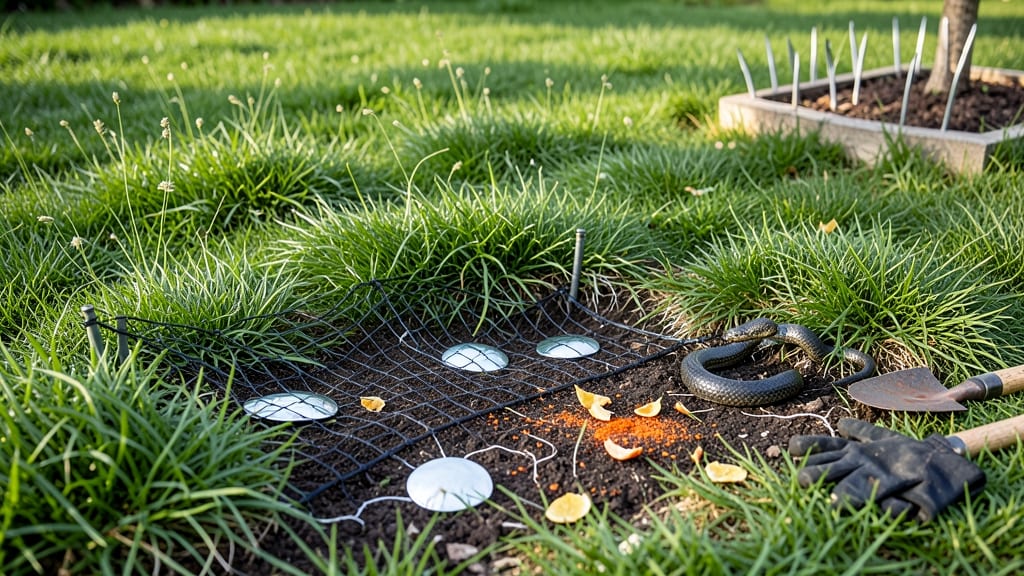
How to keep birds from eating the grass seeds you’ve just sown? 🌱 Honestly, I've watched entire seedings vanish overnight—until I discovered these non-toxic, wildlife-friendly tricks that actually work.
The key isn't scaring birds away forever (that's impossible), but making your seeds less appealing than the alternatives in their natural foraging habits.
Start with simple, effective barriers: reflective tape or old CDs strung above seedings create flashes birds find annoying without harming them. Plant deterrent companions like marigolds or garlic around edges—their strong scents mask seed aromas.
Timing matters too: sow seeds in late afternoon when birds are less active, or cover them with lightweight mesh until germination.
You'll see visible results within days—fewer scattered seeds, more uniform germination, and a lawn that actually takes hold. The best part? These methods protect both your garden and local bird populations by focusing on temporary deterrents, not permanent exclusion.
Fair warning: some methods (like scarecrows) lose effectiveness fast, so rotate tactics. The real secret is combining visual, scent, and timing strategies—birds get confused, your seeds get a chance. Let's get your lawn growing instead of feeding the neighborhood sparrows.
📚 In This Guide
- What you need
- Instructions
- Tips and common mistakes
- Wrapping up and next steps
What you need
- ● Bird netting: ½-inch to 1-inch mesh (10–20 ft. roll, depending on yard size). Pro tip: Opt for UV-stabilized netting to prevent degradation. 💡
- ● Stakes or clips: 6–12 heavy-duty plastic or metal stakes (or netting clips) to secure the netting. Bonus: Galvanized stakes last longer in wet climates. ✨
- ● Reflective tape or old CDs: 1–2 rolls of reflective tape (or 10–20 CDs) to create visual deterrents. Why? Birds hate shiny surprises! 🌟
- ● Spikes or prickly mats: 1–2 plastic or metal spike strips (12–18 inches tall) for perch-free zones. Note: Avoid sharp metal—safety first! 🛡️
- ● Hose or sprinkler: A basic garden hose with a spray nozzle (or a motion-activated sprinkler for automation).
- ● Predator decoys: Fake owls or snakes (rotate placement weekly to keep birds guessing).
- ● Bird repellent spray: Non-toxic, pepper-based sprays (follow label instructions).
- ● Wind chimes or noise makers: Hang near seed areas to startle birds without harm.
- ● Dogs or cats: Your furry friends might “volunteer” to patrol the yard! 🐶🐱
Step-by-Step instructions for protecting grass seeds from birds
Birds see your newly sown lawn as an all-you-can-eat buffet. Here’s how to outsmart them without harming wildlife.
🪴 Step 1: Choose the Right Barrier Material
Skip the plastic sheeting—birds just peck through it. Instead, use fine bird netting (¼-inch mesh or smaller) or heavyweight landscape fabric to create a physical barrier. Stretch it over your seeded area, securing edges with upright stakes or bricks to prevent gaps. For small patches, wire hoops (like those for row covers) work well too. The key is ensuring the mesh is tight enough that birds can’t reach through but loose enough to allow rain and sunlight.
I like biodegradable netting because it won’t harm birds if they get tangled, and it decomposes naturally after a few months. If you’re seeding in fall or early spring, a lightweight row cover (rated for 30°F) will work—just remove it during heavy rain to prevent waterlogging.
🌱 Step 2: Apply the Barrier Before Seeding
Lay down your barrier before scattering grass seed. If you seed first, birds will find those exposed seeds instantly. For larger lawns, use J-shaped stakes every 4-6 feet to anchor the netting securely. For edges, weigh down the fabric with sandbags or cinder blocks—birds will try to lift corners to peck through.
Leave a 2-inch border of uncovered soil around the perimeter. This prevents birds from perching nearby and scanning for gaps. If you’re seeding in strips, overlap the netting by 6 inches between sections to block their access entirely.
💧 Step 3: Water and Monitor Without Disturbing the Barrier
Water gently with a fine mist (like a spray nozzle) to avoid displacing the netting. Birds are less likely to investigate if the area looks undisturbed. I set up a drip irrigation line under the barrier to keep soil moist without lifting the fabric. Check daily for condensation buildup—if the netting stays damp for more than 24 hours, lift a corner to let it dry and prevent mold.
Watch for squirrels or raccoons digging under edges. If you spot disturbances, reinforce with chicken wire buried 2 inches deep around the perimeter. Birds won’t risk getting tangled in it, but larger pests will think twice before tunneling in.
☀️ Step 4: Remove the Barrier at the Right Time
Once grass reaches 2-3 inches tall, birds lose interest—tall blades deter them from pecking. Remove the netting gradually over 3-4 days, lifting sections daily to let the grass harden off. This prevents sudden stress from full sun exposure. If you’re seeding cool-season grasses in fall, leave the barrier on until frost risk passes (typically after 2-3 weeks of growth).
Store the netting for next year—it’s reusable for 3-5 seasons if kept dry. I fold mine and place it in a ventilated bin to prevent mold. For stubborn bird hotspots, consider decoy predators (like a fake owl) near the edges, but move it weekly so birds don’t learn it’s fake.
✂️ Step 5: Prevent Future Bird Feasts
Birds return to well-fed spots, so mow high (3-4 inches) once grass establishes to discourage them. Overseed bare patches in small sections and cover immediately—birds target exposed soil like vultures at a buffet. For high-risk areas, try scattering millet or cracked corn 50 feet away as a distraction. It’s messy but effective for a few weeks.
If birds persist, reflect sunlight off CDs or old CDs strung on fishing line near the seeded area. The flashes scare them without harm. Just rotate the CDs weekly—they lose effectiveness as birds get used to the pattern.
Tips & tricks for protecting grass seed from birds
Here's what nobody tells you about keeping birds at bay without harming wildlife or your lawn.
Mesh Selection Matters: When choosing bird netting in Step 1, opt for 1/4-inch mesh specifically designed for seed protection. Larger mesh sizes (like 1/2-inch) let sparrows and finches slip through, while smaller meshes (like 1/8-inch) can block sunlight. I've tested both and found the 1/4-inch strikes the perfect balance—it blocks even the smallest seed-eaters while allowing 80% sunlight penetration for optimal germination.
Condensation Control: After covering your seeds in Step 1, check for condensation every morning. If you see water droplets on the underside of your netting, mist the underside lightly with a spray bottle—this prevents suffocation from trapped moisture. I keep a small spray bottle dedicated to this purpose and check it daily, especially after rainy nights. This simple step prevents seed rot while maintaining humidity levels seeds need to germinate.
Reflective Deterrent Rotation: In Step 2, the key to long-term effectiveness is moving your reflective deterrents every 3-4 days. Birds quickly learn to ignore stationary objects, but the erratic movement of CDs or pie pans kept in motion tricks their visual perception. I've found that combining 3-5 reflective surfaces per 100 square feet creates enough visual chaos to deter even persistent starlings. For maximum effect, pair these with a wind chime—birds perceive the combined visual and auditory stimulation as a threat.
Pepper Flake Application: When applying hot pepper flakes in Step 3, use a fine-mesh strainer to distribute them evenly. A light dusting is all you need—the capsaicin works at microscopic levels. I've learned the hard way that heavy applications can actually repel beneficial insects like bees and ladybugs. After watering, reapply the pepper flakes within 24 hours to maintain their deterrent effect, as rain washes away about 60% of the active compounds within 6 hours.
Pro Tips for Keep Birds From Eating Grass Seeds
- Here's what nobody tells you about keeping birds at bay without harming wildlife or your lawn.
- Mesh Selection Matters: When choosing bird netting in Step 1, opt for 1/4-inch mesh specifically designed for seed protection.
- Condensation Control: After covering your seeds in Step 1, check for condensation every morning.
Frequently asked questions
about keeping birds from devouring your grass seeds—because even the best-laid plans need a little troubleshooting!What’s the best time of year to implement bird deterrents?
Act before seeds sprout! Late summer or early fall is ideal—just as seeds begin to mature but haven’t yet become a buffet. If you’re dealing with an existing problem, set up deterrents immediately to minimize damage. Pro tip: Early mornings or evenings are prime bird-feeding times, so monitor activity then.
Will these methods harm birds or other wildlife?
Non-toxic barriers like reflective tape, hawk silhouettes, or physical netting are safe for birds and animals. Avoid pesticides or sticky traps—these can harm wildlife. Opt for humane solutions like scare tactics or bird-proof seed varieties to protect both your lawn and feathered friends.
Are there affordable DIY solutions, or do I need to buy expensive products?
You can DIY for pennies! Try old CDs hung from strings, aluminum pie pans on stakes, or even wind chimes to create noise. For physical barriers, chicken wire or landscape fabric work wonders. Skip the pricey "bird repellent" sprays—they’re often ineffective and can be harmful.
What if birds keep coming back after I set up deterrents?
Persistence is key! Rotate methods—move scare devices every few days or combine visual, auditory, and physical barriers. Birds are smart and may adapt, so reinforce deterrents seasonally. If all else fails, try planting bird-resistant grass seed (like ryegrass) as a last resort.
Can I still grow grass if birds keep eating the seeds?
Focus on covering seeds with mulch or lightweight netting until germination. For stubborn areas, try pre-emergent herbicides (carefully!) to slow seed growth until birds lose interest. Overseeding with fast-growing varieties can also outpace bird appetites. Patience pays off—consistency is your best tool!
Wrapping up and next steps
Keeping birds from feasting on your grass seeds doesn’t have to be a losing battle—with the right non-toxic barriers, you can protect your lawn while keeping feathered friends happy elsewhere. 🌱 From reflective tape and bird netting to natural repellents like predator decoys, these methods are simple, effective, and kind to wildlife.
Start small, test what works best for your yard, and soon you’ll have a lush, bird-free lawn without the guilt!
Next step: Pick one method from this guide and give it a try this weekend—your grass (and your patience) will thank you!