
Blooming
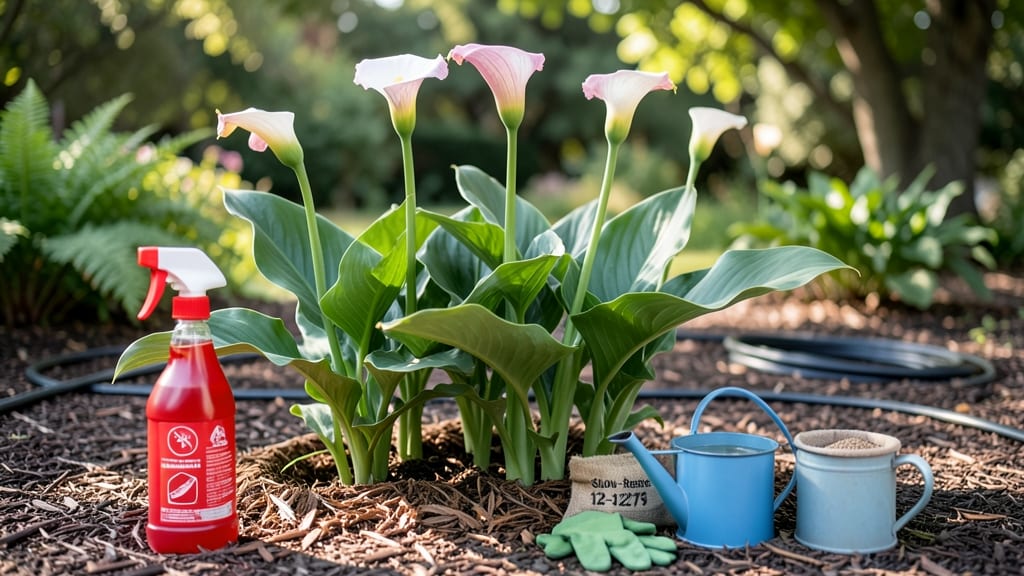
How to keep calla lilies blooming—your plants could be hiding their best blooms! 🌿 I’ve turned my once-sparse calla lilies into a year-round floral display using these pruning secrets—no fancy tools, just smart cuts and timing.
The key is understanding that calla lilies bloom best when they’re not overcrowded or stressed. Too much shade? They’ll focus on leaves, not flowers. Too much fertilizer? You’ll get lush foliage but few blooms.
The solution is simple: prune back old growth in early spring, divide congested clumps every 2-3 years, and feed them lightly with balanced fertilizer (10-10-10) after blooming.
With the right approach, you’ll see bold, vibrant blooms from late spring through fall—and even surprise flowers in winter if you keep them in bright, indirect light. The trick is patience: after pruning, wait 4-6 weeks before expecting new growth, but trust me, it’s worth it.
Works for both indoor and outdoor calla lilies, whether you’re growing them in pots or garden beds. Let’s get those flowers popping like they’re supposed to!
📚 In This Guide
- What you need
- Instructions
- Tips and common mistakes
- Wrapping up and next steps
What you need
- ● Calla lilies: Healthy, mature plants (1-3 per container, depending on pot size). Choose varieties like Zantedeschia aethiopica (white) or Zantedeschia rehmannii (pink) for best results.
- ● Well-draining potting mix: 5-10 gallons, depending on pot size. A blend of peat moss, perlite, and compost (ratio: 2:1:1) works best.
- ● Containers: For single plants: 12-16 inch pots with drainage holes.
- ● For clusters: 18-24 inch containers (e.g., half-barrels or large planters).
- ● Pruning shears: Sharp, sterilized shears (or clean scissors) for trimming spent blooms and foliage.
- ● Balanced liquid fertilizer: 10-10-10 or 20-20-20 NPK ratio (2-3 tbsp per gallon of water).
- ● Watering can or hose: With a gentle spray nozzle to avoid damaging leaves.
- ● Mulch: Organic mulch (e.g., shredded bark or straw) to retain moisture and regulate soil temperature.
- ● Slow-release fertilizer pellets: Mix into soil at planting for 3-6 months of nourishment.
- ● Soil moisture meter: To monitor water levels and prevent over/under-watering.
- ● Grow lights: LED or fluorescent bulbs (for indoor calla lilies needing 12+ hours of light/day).
- ● Plant supports: Small stakes or cages if your calla lilies grow tall and need stability.
- ● Fungicide (preventative): Copper-based spray to ward off leaf spot or root rot.
Step-by-Step instructions for year-round calla lily bloom maintenance
Here’s the simple routine I’ve used to keep my calla lilies flowering nonstop—no fancy tricks, just smart pruning and care.
✂️ Step 1: Deadhead Spent Blooms Immediately
As soon as a calla lily bloom wilts or fades, snip the entire flower stalk at its base with clean, sharp pruners. I use sterilized scissors to avoid introducing bacteria to the plant. The key is to cut below the flower head where the stalk meets the foliage—this prevents energy from draining back into the stem and encourages new buds to form.
Don’t wait until the bloom is completely brown. The moment it looks tired, remove it. You’ll see new flower spikes emerging from the center of the plant within 2-3 weeks if you stay on top of this. Skipping this step is the #1 reason calla lilies stop blooming—plants think their job is done and focus on seed production instead.
🌿 Step 2: Prune Yellow or Damaged Leaves Mid-Season
Every 4-6 weeks, inspect your calla lilies for yellowing leaves or any foliage that looks mushy or spotted. Use the same sterilized pruners to trim these leaves back to the base. Healthy leaves should be deep green and firm to the touch—anything that feels soft or discolored is just taking energy from your plant.
I like to do this after a heavy bloom cycle because the plant is already stressed from flowering. Removing old leaves prevents fungal issues and keeps the plant’s energy focused on producing new growth and blooms. Never prune more than one-third of the foliage at once—this shocks the plant and can halt flowering.
☀️ Step 3: Adjust Light Exposure for Continuous Blooming
Calla lilies need bright, indirect light to keep producing flowers, but too much direct sun can scorch their leaves and stress the plant. If you notice leaves turning yellow or crispy at the edges, move your plant to a spot with morning sun and afternoon shade. A north- or east-facing window is ideal for most homes.
If your calla lilies slow down blooming in winter, supplement with a grow light for 12-14 hours daily. Place the light 12-18 inches above the plant and raise it as the foliage grows. You’ll see new flower spikes form within 3-4 weeks of consistent light exposure. Avoid drafts—calla lilies hate sudden temperature swings, which can cause buds to drop.
💧 Step 4: Water and Fertilize for Nonstop Flowering
Keep the soil evenly moist but never soggy—calla lilies rot easily if their roots sit in water. Water when the top inch of soil feels dry, and always use room-temperature water to avoid shocking the roots. I like to water at the base of the plant in the morning so the foliage has all day to dry out.
Feed your calla lilies every 4 weeks during the growing season (spring through fall) with a balanced liquid fertilizer (like 10-10-10). Cut back to every 6-8 weeks in winter when growth slows. Over-fertilizing causes salt buildup in the soil, which burns roots and stops blooming. If you see white crusty deposits on the soil surface, flush the pot with water to rinse it away.
⏰ Step 5: Encourage Dormancy in Winter (For Potted Plants)
If your calla lilies are in pots, they’ll need a short dormancy period in late fall to rebloom strongly in spring. Reduce watering so the soil stays just slightly moist, and stop fertilizing entirely. Move the plant to a cooler spot (55-65°F) with low light for 6-8 weeks. You’ll know dormancy is working when the leaves yellow and die back—this is normal and necessary for spring blooms.
Don’t worry if the plant looks dead—it’s just resting. In early spring, resume watering and fertilizing, and move it back to bright light. New growth will appear within 2-3 weeks, followed by fresh flower spikes. This reset keeps your calla lilies blooming year after year without burning out.
Tips & tricks for year-round calla lily bloom maintenance
Here's what nobody tells you about keeping calla lilies blooming like clockwork—these tricks saved my plants after years of frustration.
Timing is Everything: In Step 1, don't rush to remove wilted blooms—they need to show early signs of fading, not be completely brown. I've learned to check blooms every morning and evening, especially in peak bloom seasons. The 2-3 week window for new blooms to appear is only accurate if you're consistent with this step. If you wait too long, the plant loses its momentum.
Pruning Precision: When you're trimming damaged leaves in Step 2, focus on removing only the yellowed or mushy parts—never cut into healthy green tissue. I use a sterilized razor blade for precision cuts, which prevents tearing and keeps the plant looking neat. Remember the one-third rule: if you're removing more than a third of the foliage at once, you're overdoing it.
Lighting Hacks: For Step 3, if you're using a grow light, consider adding a timer to automate the 12-14 hour cycle. This ensures consistent light exposure even when you forget. I also rotate my plants weekly so all sides get even light—otherwise, you'll notice one side becoming leggy while the other stays compact.
Winter Survival Strategy: During dormancy in Step 5, I place a small humidity tray near my calla lilies to prevent the dry winter air from damaging the leaves as they yellow. This small extra step makes the transition back to spring growth much smoother. The 55-65°F range is crucial—any colder and the plant may not bounce back properly.
Pro Tips for Keep Calla Lilies Blooming
- Here's what nobody tells you about keeping calla lilies blooming like clockwork—these tricks saved my plants after years of frustration.
- Timing is Everything: In Step 1, don't rush to remove wilted blooms—they need to show early signs of fading, not be completely brown.
- Pruning Precision: When you're trimming damaged leaves in Step 2, focus on removing only the yellowed or mushy parts—never cut into healthy green tissue.
Frequently asked questions
Got more questions about keeping your calla lilies blooming like a pro? Here are some of the most common ones—plus quick fixes to keep those stunning blooms coming!
Why are my calla lilies only blooming once and then dying back?
Calla lilies are rhizomatous perennials, meaning they naturally go dormant in winter. If they’re not reblooming, check for adequate sunlight (6+ hours/day) and well-draining soil. Overwatering or nutrient depletion can also stunt growth. After blooming, trim spent flowers but leave the leaves to feed the rhizomes for next season!
How often should I fertilize calla lilies to encourage reblooming?
Feed them every 4–6 weeks during active growth (spring to fall) with a balanced liquid fertilizer (10-10-10) or a phosphorus-rich formula (like 5-10-10) to boost blooms. Skip fertilizing in winter—they’re resting! For potted plants, dilute fertilizer to half-strength to avoid root burn.
Can I prune calla lilies after they bloom to get more flowers?
Yes! After blooms fade, snip the flower stalk at the base but don’t cut the leaves—they photosynthesize to fuel future blooms. For reblooming varieties, trim back 1/3 of the foliage in early fall to encourage a second flush. Always use sterilized shears to prevent disease.
What temperature do calla lilies need to keep blooming year-round?
Calla lilies thrive in USDA Zones 8–11 outdoors. In cooler climates, grow them as potted plants and move them indoors near a sunny window (60–75°F). Avoid drafts or sudden temperature swings—below 50°F can shock them. If growing indoors, supplement with grow lights (12–14 hours/day) for consistent blooms.
What should I do if my calla lilies stop blooming altogether?
Check these fixes:
- Light issue: Move to a brighter spot (they need direct sun).
- Overcrowding: Divide rhizomes every 2–3 years to prevent competition.
- Nutrient deficiency: Test soil pH (ideal: 6.0–7.0) and amend with compost.
- Stress: Reduce watering if soil feels soggy—root rot kills blooms.
Wrapping up and next steps
Keeping your calla lilies blooming year-round is all about consistent care—from proper pruning and light exposure to balanced nutrition and seasonal adjustments. 🌸 With the right techniques, you’ll enjoy vibrant blooms that steal the show in every season!
Now that you’re armed with expert tips, take action: grab your shears, check those roots, and give your calla lilies the love they deserve. Your next step? Start with one small tweak—like adjusting sunlight or fertilizing—and watch your garden transform!