
Propagation
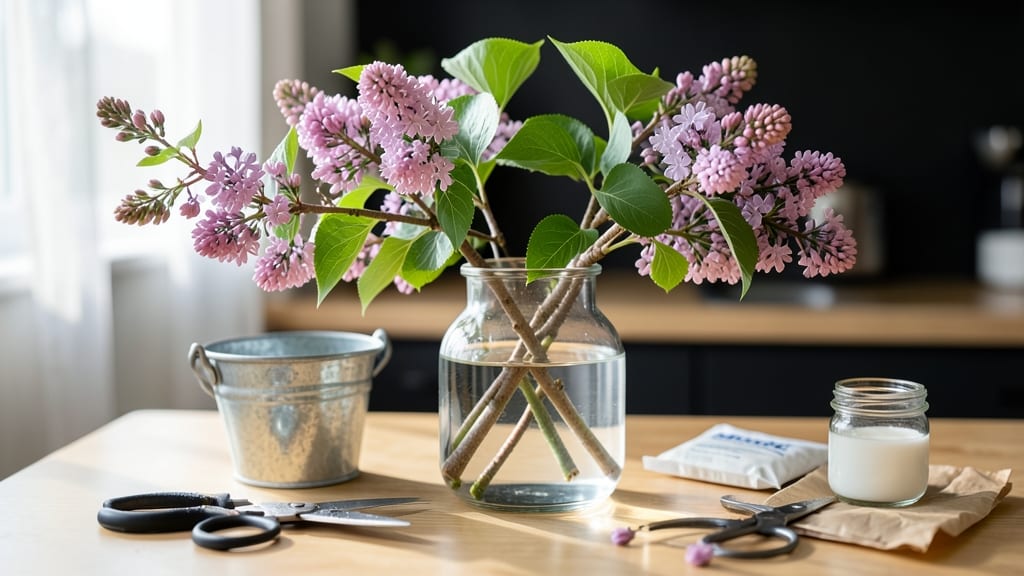
Cut lilacs wilt faster than most flowers—porous stems suck up water like a sponge. 🌸 I’ve lost count of bouquets that lasted just 24 hours, but this sugar water trick keeps mine fresh for a full week. The secret?
Mimicking how lilacs naturally hydrate in the garden by sealing those thirsty stems. Most people overlook the cutting technique: slice stems at a 45-degree angle under water to maximize surface area. Then, mix 1 teaspoon of sugar and 1 tablespoon of bleach (as a preservative) per quart of warm water.
Lilacs thrive on this combo because sugar feeds the blooms while bleach fights bacteria clogging their stems. By day 3, you’ll notice buds opening slower but staying vibrant—no droopy petals in sight. The key is changing the water every 48 hours and trimming stems again if they start to wilt.
Even in hot weather, these lilacs stay perky longer than store-bought arrangements. This method works for any lilac variety, whether you’re growing them yourself or snipping branches from a neighbor’s yard. The only real mistake? Skipping the sugar—lilacs need that energy boost to last.
Let’s make your bouquet the talk of the room!
📚 In This Guide
- What you need
- Instructions
- Tips and common mistakes
- Wrapping up and next steps
What you need
- ● Freshly cut lilacs – Choose stems with at least 3-4 buds per stem for the best longevity.
- ● Sharp pruning shears or floral scissors – Use clean, sterilized tools to avoid damaging the stems or introducing bacteria.
- ● Clean vase or jar – Opt for a glass container (like a mason jar or clear vase) to monitor water levels easily.
- ● Water – Room-temperature, chlorine-free water (let tap water sit out for 24 hours if chlorinated).
- ● White granulated sugar – 1 teaspoon per quart of water (or 2 teaspoons per liter).
- ● Floral preservative – A few drops (like Floralife) can boost longevity even further.
- ● Bleach or hydrogen peroxide – 1/8 teaspoon per quart of water to sterilize and prevent bacterial growth.
- ● Scissors or knife – For trimming stems at an angled 45-degree cut underwater.
- ● Decorative elements – Gravel, pebbles, or floral foam (to keep stems submerged without blocking the vase opening).
Step-by-step instructions for reviving cut lilacs
Here's the simple method I swear by to keep those fragrant lilacs fresh for a full week.
💧 Step 1: Trim Stems at the Right Angle
As soon as you bring lilacs indoors, recut the stems at a 45-degree angle about 2 inches from the base using sharp pruning shears. This fresh cut opens up the stem's vascular system so it can drink up the sugar water solution properly. I always do this under running water to prevent air bubbles from blocking the stem.
Use only clean, sanitized shears—bacteria in dirty blades can clog stems and cause wilting within hours. If you don't have pruning shears, a sharp kitchen knife works in a pinch. Just wipe it with rubbing alcohol first.
🌿 Step 2: Prepare the Sugar Water Solution
Fill a clean vase with lukewarm water (never cold—it shocks the stems) and add 1 tablespoon of white granulated sugar per quart of water. Stir gently until fully dissolved. The sugar provides quick energy for the flowers to rehydrate and stay fresh longer.
Here's the thing—don't use brown sugar or honey. White sugar dissolves completely and won't create a sticky residue that could attract bacteria. I like to add a drop of bleach (1/8 teaspoon) to the water for extra protection against bacterial growth.
☀️ Step 3: Condition the Stems Before Arranging
Place the cut lilacs in the sugar water solution and let them sit undisturbed for at least 4 hours before arranging. This gives the stems time to fully hydrate and prevents them from wilting once you put them in your final vase. I always do this step overnight if possible—it makes all the difference.
During this time, keep the stems out of direct sunlight. Bright light speeds up water evaporation, which can cause the flowers to wilt faster. A cool, shaded spot like a countertop away from the window is ideal.
⏰ Step 4: Change the Water Daily
Every 24 hours, drain the old sugar water and refill with fresh lukewarm water mixed with 1 tablespoon of sugar per quart. This prevents bacterial buildup and keeps the flowers hydrated. I set a reminder on my phone so I never forget—wilting lilacs are a heartbreak I avoid at all costs.
Don't skip this step! Even with sugar, stagnant water becomes a breeding ground for bacteria that will cause the stems to clog and the flowers to wilt. If you notice the water looking cloudy or developing a film, change it immediately—don't wait for the next scheduled day.
🌱 Step 5: Maintain Proper Vase Care
Use a clean vase with a narrow neck—this creates a larger surface area for the stems to drink water. A wide-mouthed vase may look pretty, but it causes the water to evaporate too quickly. I like to use a clear vase so I can easily monitor the water level and check for any signs of bacterial growth.
Keep the lilacs away from heat sources like radiators, fireplaces, or direct sunlight. Heat causes the water to evaporate faster, forcing the flowers to work harder to stay hydrated. A cool spot in your home will help them last their full week.
Tips & tricks for reviving cut lilacs
Between us, these little tricks will transform your wilting lilacs into a week-long floral centerpiece that smells as good as it looks.
Precision Cutting Matters: When you recut those stems at a 45-degree angle in Step 1, make sure you're cutting under running water—this flushes out any air bubbles that could block the stem's ability to drink up the sugar water. I've ruined batches by skipping this step, and trust me, you don't want to experience that heartbreak. Use sharp shears or a knife wiped with rubbing alcohol to prevent bacterial contamination that can clog stems within hours.
Temperature is Everything: That lukewarm water in Step 2 isn't just a suggestion—it's critical. Cold water shocks the stems while boiling water can cook them. Aim for water that's warm to the touch but not hot enough to make you wince. The sugar needs to dissolve completely, so stir gently until it's fully incorporated before adding the lilacs. This step is where the magic happens for hydration and longevity.
Overnight Hydration Boost: While the instructions say "at least 4 hours," I always do this step overnight when possible. The extra time lets the stems fully rehydrate and become plump and perky before you arrange them. Just keep them out of direct sunlight during this time—bright light speeds up water evaporation, which defeats the purpose of the conditioning step. A cool, dark spot like a countertop away from windows is ideal.
Vase Selection Secrets: That narrow-necked vase in Step 5 isn't just about looks—it creates more surface area for the stems to drink water. Wide-mouthed vases might look pretty, but they cause water to evaporate too quickly. Clear vases are my favorite because I can easily monitor water levels and spot any bacterial growth early. Change that water every 24 hours religiously—stagnant water is the number one enemy of long-lasting lilacs.
Pro Tips for Keep Cut Lilacs From Wilting
- Between us, these little tricks will transform your wilting lilacs into a week-long floral centerpiece that smells as good as it looks.
- I've ruined batches by skipping this step, and trust me, you don't want to experience that heartbreak.
- Temperature is Everything: That lukewarm water in Step 2 isn't just a suggestion—it's critical.
Frequently asked questions
about keeping cut lilacs fresh—because nobody wants droopy blooms ruining the vibe! Here are answers to the most common queries:How long do lilacs last in sugar water?
With the right sugar water mix (1 teaspoon per cup of water + floral preservative), lilacs can stay fresh for 5–7 days. Change the water every 2–3 days to prevent bacteria buildup and keep stems hydrated. For longer-lasting blooms, trim stems at an angle and remove lower leaves to avoid rot.
Can I use regular sugar instead of floral preservative?
Yes! While commercial floral preservatives (like those with acidifiers and nutrients) extend life, white granulated sugar works in a pinch. Just dissolve 1 teaspoon per cup of water and add a splash of bleach (1/8 tsp) to slow bacterial growth. For best results, combine sugar with a few drops of lemon juice or vinegar to mimic preservative acidity.
Why are my lilacs wilting even in sugar water?
Wilting can happen for a few reasons: bacterial clogs (check stems for slimy buildup), overcrowding (space stems 1 inch apart), or ethylene gas (remove nearby fruits/veggies). Also, lilacs are heavy drinkers—ensure stems are fully submerged and water is at room temperature. If stems feel mushy, recut them under water to refresh the flow.
What’s the best alternative if I don’t have sugar?
No sugar? No problem! Try these DIY fixes:
- Honey or corn syrup: 1 teaspoon per cup (antibacterial properties).
- Apple cider vinegar: 1 teaspoon per cup (acidifies water).
- Aspirin: Crush 1 tablet in warm water (delays wilting).
- Fresh water + bleach: 1 drop per quart (sanitizes).
Can I reuse the sugar water for another batch of lilacs?
It’s not recommended—sugar water turns into a bacterial buffet over time. After 2–3 days, dump it and start fresh. If you must reuse, boil the water first to kill bacteria, then cool it before adding new sugar. For maximum freshness, always use fresh water for each batch of cut lilacs.
Wrapping up and next steps
Keeping your cut lilacs fresh and vibrant is easier than you think! With just a few simple steps—like trimming stems, using the sugar water trick, and changing the water regularly—you can enjoy their beauty for up to a week.
Don’t let wilting ruin the magic of these fragrant blooms; a little care goes a long way.
Now that you’re armed with these tips, go ahead and experiment! Try different sugar ratios or add a splash of bleach for extra clarity. Happy arranging! 🌸✨