
Trees
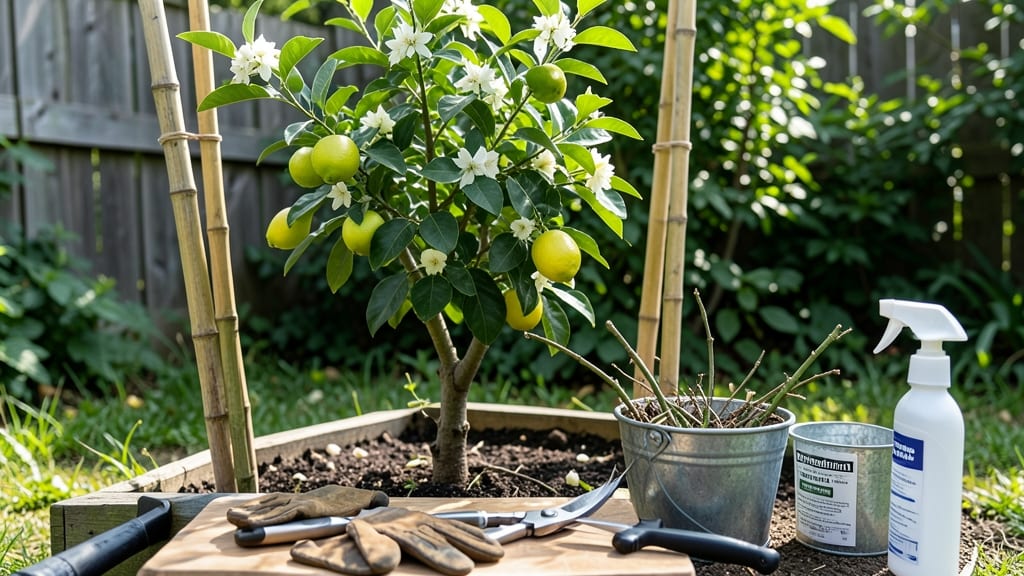
To keep fruit trees small, prune annually to shape growth and remove water sprouts, use dwarf rootstock for compact varieties, and apply root control methods like container planting or underground barriers. Regular thinning and proper spacing also maintain their size.
Keeping fruit trees small isn't just about aesthetics—it's about maximizing fruit production in limited spaces. 🌳 The key is combining pruning discipline with smart root management. Annual pruning during dormancy (late winter) removes aggressive branches while encouraging a balanced shape.
For even smaller trees, dwarf rootstock like M9 for apples or B9 for peaches can cut mature size by 50% while maintaining productivity. I've seen container-grown trees thrive with proper soil mixes and regular root pruning, though they require more frequent care than in-ground varieties.
The right approach turns your backyard into a high-yield orchard without sacrificing space.
What many gardeners overlook is how spacing affects tree development.
Trees planted too closely compete for nutrients, leading to stunted growth—but this isn't the same as controlled smallness. Proper spacing (15-20 feet for standard trees, 8-10 feet for dwarfs) combined with regular thinning creates an open canopy that improves air circulation and fruit quality. The secret?
Start these practices when trees are young—established trees resist size control much more stubbornly.
💡 In This Article
- Best Pruning Methods for Compact Fruit Trees
- Rootstock and Container Solutions for Small Trees
Best pruning methods for compact fruit trees
Pruning isn't just about cutting branches—it's about redirecting a tree's energy. The open-center method works best for most fruit trees, where you remove branches to create an open vase shape. This allows sunlight to penetrate the center, improving fruit quality and reducing disease risk.
For example, apple trees pruned this way produce fruit closer to the trunk, making harvesting easier. The key is to remove water sprouts (fast-growing vertical shoots) and suckers (shoots from the base) immediately—they compete for nutrients and encourage unchecked growth.
Timing matters more than most gardeners realize. Prune during dormant season (late winter) for most trees, but avoid heavy pruning in fall, as fresh cuts can't heal before winter stress sets in.
Summer pruning (after harvest) is ideal for shaping, but limit cuts to 25% of the canopy to prevent shock. Tools make a difference too: use bypass pruners for clean cuts on branches under ½ inch thick, and a pruning saw for thicker branches.
Always sterilize tools between cuts with rubbing alcohol to prevent disease spread.
What you cut affects everything. Removing low-hanging branches below 4-5 feet improves airflow and makes maintenance easier, while thinning out crossing branches prevents rubbing injuries.
I've found that heading back (cutting just above a bud) encourages bushier growth, but overdoing it can lead to excessive leafy growth at the expense of fruit. The goal is balance—too much pruning reduces fruit production, while too little lets the tree grow unchecked.
Don't overlook the three-cut method for larger branches. First, make an undercut 1-2 feet from the trunk, then a top cut slightly farther out, and finally remove the branch at the collar. This prevents tearing and promotes faster healing.
For young trees, focus on structural framework—select 3-4 main branches spaced evenly around the trunk. This creates a strong scaffold that supports fruit while keeping the tree compact.
Seasonal adjustments are key. In early spring, remove any dead or diseased wood before new growth begins. Summer pruning should focus on light thinning to improve air circulation, while late summer/early fall is the time to remove suckers and water sprouts that appeared during the growing season.
The result? A tree that stays manageable while producing abundant fruit. 🌿
Remember: pruning affects next year's harvest. Heavy pruning this year means fewer fruits next year as the tree redirects energy to new growth. For container-grown trees, you'll need to prune more aggressively since root restriction already limits size. The right balance keeps your tree productive while fitting your space.