
Blooming
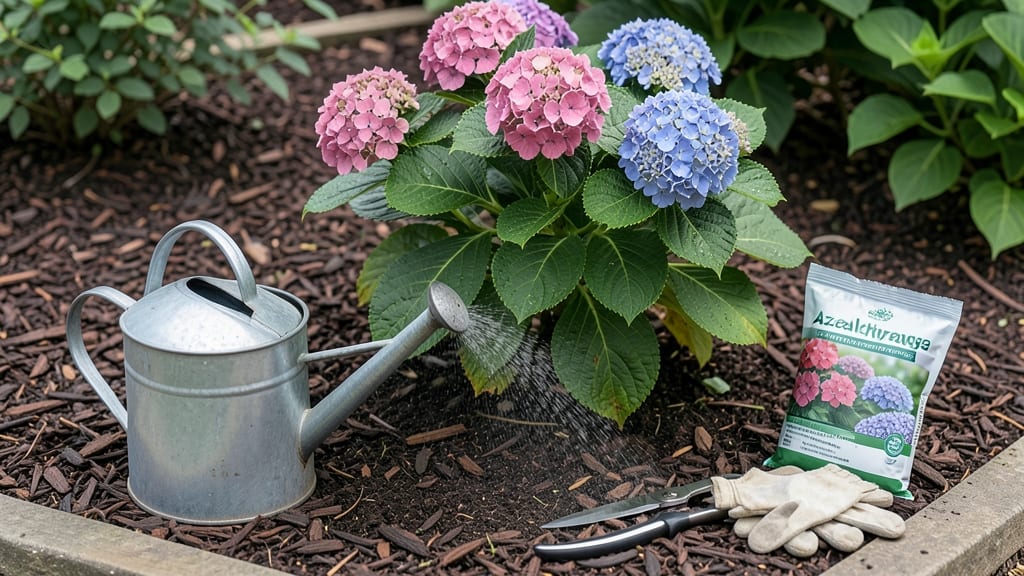
How to keep hydrangeas blooming all summer—your plants could be putting on a nonstop floral show instead of fading by July. 🌸 The secret isn’t luck—it’s timing, pruning, and a little extra care that most gardeners overlook. I’ve turned my once-sparse hydrangeas into a six-month flower show by mastering just three key moves: when to prune, how to feed, and why deadheading makes all the difference.
The biggest mistake? Pruning at the wrong time. Cut back old wood in late winter for big summer blooms, but wait until after flowering to prune reblooming varieties.
Add a slow-release fertilizer in spring and water consistently—hydrangeas hate drying out. Skimp on these, and you’ll end up with half the flowers by August.
By mid-summer, you’ll see bold, vibrant blooms lasting until frost if you stay on top of deadheading spent flowers and adjusting water for color changes. The best part? These plants become the star of your garden, drawing in butterflies and making neighbors stop to admire them.
Works for mophead, lacecap, and panicle varieties alike—just adjust the pruning timing. Here’s how to keep them thriving all season long without the guesswork.
📚 In This Guide
- What you need
- Instructions
- Tips and common mistakes
- Wrapping up and next steps
What you need
- ● Pruning shears – Sharp, clean, and sterilized (1 pair). Look for bypass-style shears for precision cuts.
- ● Garden gloves – Heavy-duty, waterproof gloves (1 pair) to protect your hands from thorns and sap.
- ● Balanced fertilizer – A 10-10-10 or 20-20-20 NPK formula (1 lb or per package instructions). Hydrangeas love a steady diet!
- ○ Slow-release granules – Optional but helpful: Osmocote or similar (1 bag) for long-term feeding.
- ● Watering can or hose – With a spray nozzle for gentle hydration (1 unit). Deep watering is key!
- ● Mulch – Organic mulch like pine bark or shredded leaves (2–3 inches, enough to cover the root zone).
- ● pH adjustment kit – If your soil is alkaline, grab hydrangea-specific pH lowerers (e.g., Aluminum sulfate) or sulfur (1 lb).
- ● Hand trowel – For digging small holes or adjusting mulch (1 unit).
- ● Soil moisture meter – Ensures you’re watering just right (1 unit).
- ● Epsom salt – Boosts magnesium (1 lb) for blue blooms (if your hydrangeas lean that way).
- ● Compost or worm castings – Natural soil booster (1 bag) for extra nutrients.
- ● Plant food spray – Liquid seaweed fertilizer (1 bottle) for a quick mid-summer boost.
- ● Stakes or plant ties – If your hydrangeas get top-heavy (1–2 units).
Step-by-Step instructions for year-round hydrangea blooms
Here's the proven system to keep your hydrangeas flowering abundantly from spring through frost.
✂️ Step 1: Prune Correctly After Each Season
Hydrangeas bloom on either old wood, new wood, or both—knowing your variety determines when and how to prune. For bigleaf hydrangeas (like 'Endless Summer'), prune immediately after flowering in late summer or early fall. Cut back 1/3 of the oldest stems to the first set of healthy buds below the faded blooms. This encourages new growth that will flower next year.
For panicle hydrangeas (like 'Limelight'), prune in late winter or early spring before new growth begins. Cut back 1/2 to 2/3 of the previous year's stems
Hydrangeas need 1-1.5 inches of water weekly, delivered deeply rather than superficially. I water in the morning for 20-30 minutes per session, letting the water penetrate 12-18 inches deep. The soil should feel moist but not soggy at that depth—stick your finger in to check. During heatwaves, increase to 2-3 times weekly. Mulch heavily with 3-4 inches of organic mulch (like shredded bark) to retain moisture and regulate soil temperature. Keep mulch 6 inches away from the stem to prevent rot. Yellowing leaves often signal underwatering, while drooping or wilting indicates either overwatering or insufficient moisture. Use a balanced, slow-release fertilizer (10-10-10 or 20-20-20) in early spring, applying 1/2 cup per plant. For extra blooms, switch to a high-phosphorus fertilizer (like 10-30-20) in late spring, following package rates. I avoid high-nitrogen fertilizers—they produce lush foliage but fewer flowers. Water immediately after fertilizing to prevent root burn. For container-grown hydrangeas, fertilize every 4-6 weeks during the growing season. You'll see new flower buds forming in late spring if the plant is getting the right nutrients. If buds form but fail to open, it’s often a sign of inconsistent watering or sudden temperature swings. Deadhead spent blooms by cutting stems back to the first set of 5 mature leaves below the faded flowers. This redirects the plant’s energy from seed production to new growth and blooms. I do this every 2-3 weeks during the blooming season to keep flowers coming. For varieties like 'Nikko Blue,' deadheading encourages a second flush of blooms in fall. Watch for flower buds forming in late summer—these will bloom next year. If buds appear but don’t open, it’s often due to late-season heat stress. Provide afternoon shade during extreme heat to protect developing buds. Prune lightly at this stage, focusing only on removing dead or diseased wood.💧 Step 2: Water Deeply and Consistently
🌿 Step 3: Fertilize Strategically for Continuous Blooms
⏰ Step 4: Deadhead Regularly and Monitor Flower Buds
Tips & tricks for year-round hydrangea blooms
Here's the thing—hydrangeas don't bloom forever on their own. Between us, these tips are what separate a patchy display from a garden full of color all season long.
Pruning Precision: When you're pruning bigleaf hydrangeas after flowering in Step 1, look for the first set of healthy buds below the faded blooms—these are your growth points for next year. I cut back to just above these buds, never below them. For panicle types, that outward-facing bud is your target—it's where new growth will emerge. Confession: I skipped this detail for years and wondered why some stems never rebloomed.
Watering Wisdom: Those 20-30 minutes of morning watering in Step 2 aren't just about quantity—they're about timing. Watering in the morning gives roots all day to absorb moisture before evening evaporation. I check soil moisture by sticking my finger 2-3 inches down—if it's dry at that depth, it's time to water again. During heatwaves, I increase to every other day, but always in the morning to prevent fungal issues.
Fertilizer Strategy: The 1/2 cup of balanced fertilizer in Step 3 is your foundation, but here's what nobody tells you—hydrangeas respond better to smaller, more frequent feedings. I split that 1/2 cup into two applications: half in early spring and half in late spring. For container plants, I use a slow-release granular fertilizer instead of liquid to avoid overfeeding. And always water immediately after—this prevents root burn that can stunt blooms.
Deadheading Discipline: When you're deadheading every 2-3 weeks in Step 4, don't just snip the flowers—cut back to those 5 mature leaves. This redirecting of energy is what keeps the plant producing new blooms instead of seeds. I've seen gardeners skip this step and watch their hydrangeas put all their energy into one big flush of flowers followed by nothing for months.
Pro Tips for Keep Hydrangeas Blooming All Summer
- Here's the thing—hydrangeas don't bloom forever on their own.
- Pruning Precision: When you're pruning bigleaf hydrangeas after flowering in Step 1, look for the first set of healthy buds below the faded blooms—these are your growth points for next year.
- Watering Wisdom: Those 20-30 minutes of morning watering in Step 2 aren't just about quantity—they're about timing.
Frequently asked questions
about keeping hydrangeas blooming all summer—because even the pros need a little extra help! Here are answers to the most common queries.Why aren’t my hydrangeas blooming as much as last year?
Hydrangeas can skip blooms if they’re not pruned correctly, lack nutrients, or get too much shade. Bigleaf varieties bloom on old wood (last year’s growth), so prune after flowering. Panicle and oakleaf types bloom on new wood—prune in late winter. Check soil pH too; hydrangeas thrive in acidic soil (5.2–5.5) for vibrant blooms.
Can I prune hydrangeas in summer to encourage more flowers?
Yes, but only prune new wood bloomers (like panicle or smooth hydrangeas) in summer. For bigleaf types, avoid summer pruning—it removes next year’s buds! Instead, trim spent blooms (deadhead) to redirect energy. Use clean, sharp shears and cut just above a leaf node for best results.
How often should I water hydrangeas in extreme heat?
Hydrangeas need 1–1.5 inches of water per week, but in heatwaves, water 2–3 times per week (early morning is best). Mulch around the base to retain moisture. Wilting leaves signal thirst—soak the soil until it drains, but avoid soggy roots. Drip irrigation or soaker hoses work best to keep roots consistently moist.
What’s the best fertilizer for hydrangeas to keep them blooming?
Use a balanced, acid-loving fertilizer (like 10-10-10 or 20-20-20) in early spring and mid-summer. For blue blooms, add aluminum sulfate (follow package rates). Avoid high-nitrogen fertilizers—they promote leaves over flowers. Organic options like composted manure or worm castings also work well!
Why are my hydrangea leaves turning yellow or brown?
Yellow leaves often mean overwatering, nutrient deficiency, or root rot. Brown edges or tips? It could be underwatering, salt buildup, or heat stress. Check soil moisture and adjust care. Pests like aphids or spider mites can also cause issues—spray with neem oil or insecticidal soap if needed. Test soil pH; extremes (too high or low) stress plants.
Wrapping up and next steps
With the right care—pruning, feeding, deadheading, and staying consistent with water and sunlight—your hydrangeas can burst into nonstop color all summer long! 🌸 The secret is patience and attention to their needs, but trust us, the blooms are worth it.
Ready to transform your garden into a vibrant paradise?
Start by booking a weekend project to assess your hydrangeas, gather supplies, and dive in. Grab your shears, a trowel, and maybe a friend for the best results. Happy gardening—your future blooms will thank you!