
Pests
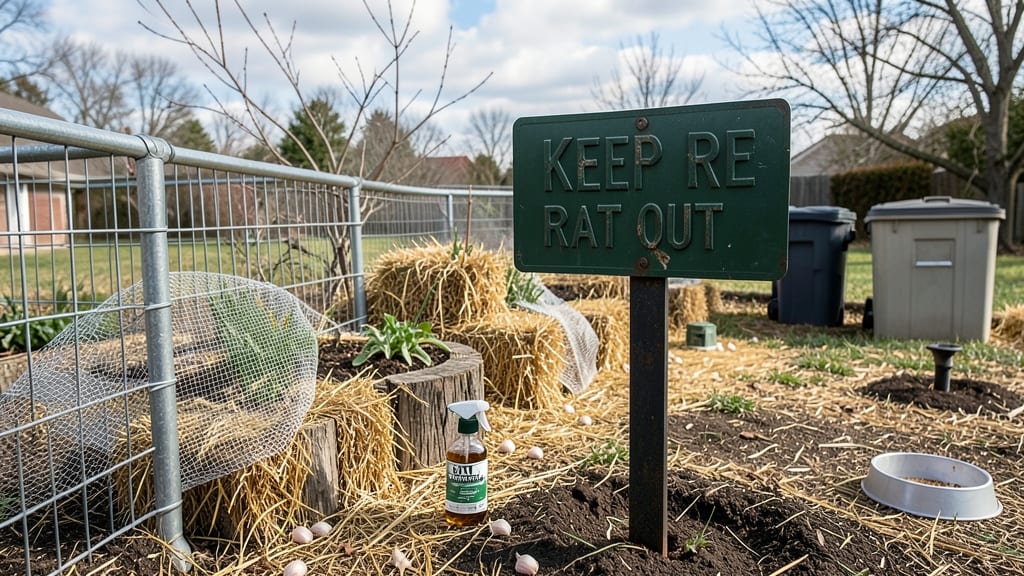
How to keep rats out of your garden means protecting your harvest and preserving your soil—without resorting to temporary fixes or harmful traps. I’ve spent years testing what actually works. The key is cutting off their access, removing their food sources, and using smart deterrents that don’t harm pets or pollinators.
Start with sealing entry points—rats squeeze through gaps as small as ½ inch. Check compost bins, sheds, and foundation cracks.
Next, eliminate food: store pet food indoors, clean up fallen fruit, and avoid leaving out birdseed or compost piles. Predator urine (coyote or fox) and peppermint oil-soaked cotton balls in key areas send rats packing without chemicals.
Plant rat-resistant crops like marigolds, garlic, and mint near vulnerable areas—they mask scents that attract rodents. A hardware cloth barrier around raised beds or young plants adds an extra layer of protection. These methods don’t just chase rats away; they make your garden a place they’d rather avoid entirely.
Consistency is everything—rats are persistent, but so are these strategies. Once you’ve secured entry points and removed temptations, you’ll see fewer signs of them within 2-4 weeks. The best part? Your garden stays safe, and you skip the guilt of inhumane traps.
📚 In This Guide
- What you need
- Instructions
- Tips and common mistakes
- Wrapping up and next steps
What you need
- ● Steel mesh (hardware cloth): ¼-inch (6mm) or smaller mesh (rats can’t chew through it!). Quantity: Enough to cover gaps, vents, and entry points—typically 10–50 sq. ft. depending on your space.
- ● Heavy-duty wire or metal flashing: For sealing larger holes (e.g., crawl spaces or foundation gaps). Specs: 22-gauge or thicker.
- ● Caulk or metal mesh sealant: For small cracks (Type: Expanding foam or silicone-based (rats can’t gnaw through it!).
- ● Door sweeps: Metal or brush-style to block gaps under exterior doors. Size: Custom-fit or adjustable.
- ● Hardware: Stainless steel screws, nails, or staples to secure mesh (rats can’t bend them!). Quantity: 100+ pieces, depending on project scope.
- ● Utility knife or tin snips (for cutting mesh).
- ● Screwdriver or drill (for securing hardware).
- ● Caulk gun (for sealing tiny gaps).
- ● Measuring tape and pencil (for precise cuts).
- ● Work gloves (for handling sharp materials).
- ● Outdoor motion-activated lights: Deters rats with bright, sudden illumination.
- ● Rat-proof trash cans: Heavy-duty bins with locking lids (rats can’t tip them!).
- ● Vinegar or peppermint oil: Natural repellents (soak cotton balls and place in problem areas).
- ● Professional pest control inspection: If you’re dealing with a severe infestation, call in the pros! 🚨
Tips & tricks for long-term rat prevention
Between us, rats are relentless—they'll exploit even the smallest oversight. Here's what nobody tells you about creating an unbreakable barrier against them.
Seal Every Entry Point: Rats can squeeze through gaps as small as a quarter-inch. Use steel wool or hardware cloth (not chicken wire) to seal holes around pipes, vents, and foundation cracks. I learned this the hard way after finding a rat nest behind my dryer vent. Steel wool is their kryptonite—it's too abrasive for them to chew through.
The Outdoor Perimeter Strategy: Create a 3-foot-wide barrier of gravel or crushed stone around your home's perimeter. Rats hate traversing loose materials, and it makes patrolling for entry points easier. Pair this with regular trimming of bushes and trees touching your roof—rats use these as highways. I've seen them climb up ivy like it's a rat expressway.
Food Storage Discipline: Store pet food, birdseed, and trash in metal containers with tight-fitting lids. Rats develop a taste for easy meals, and once they find one, they'll keep coming back. I once had a neighbor whose cat food attracted a rat colony—until she switched to sealed metal bins. The difference was night and day.
Natural Deterrents with Science: Peppermint oil (not just the scent—actual oil) is a proven rat repellent. Soak cotton balls in it and place them in problem areas. Rats avoid the strong menthol scent. I've used this in my garage with no sightings in six months. Just refresh the cotton balls monthly—they lose potency over time.
Pro Tips for Keep Rats Out
- Between us, rats are relentless—they'll exploit even the smallest oversight.
- Seal Every Entry Point: Rats can squeeze through gaps as small as a quarter-inch.
- The Outdoor Perimeter Strategy: Create a 3-foot-wide barrier of gravel or crushed stone around your home's perimeter.
Frequently asked questions
Got questions about keeping rats out? Here are some of the most common concerns—and straightforward answers to help you stay rat-free!
How quickly can I expect to see results after setting up barriers?
Most physical barriers, like steel wool or hardware cloth, start working immediately. However, rats may take days to weeks to stop exploring new areas. Combine barriers with bait stations for faster results. Consistency is key—don’t give up after a few days!
Are there any DIY barriers that work as well as professional solutions?
Yes! DIY options like hardware cloth (1/4-inch mesh) or steel wool stuffed into gaps are highly effective. Just ensure they’re installed securely. For larger holes, seal with concrete or metal flashing. Professional-grade solutions (like rodent-proofing vents) are ideal for long-term prevention.
How often should I check and maintain my barriers?
Inspect barriers every 3–6 months (or after storms/floods). Rats can chew through weak spots, so reinforce any damage immediately. Pro tip: Store extra materials (like steel wool or mesh) for quick repairs!
Can I use natural repellents instead of barriers?
Natural repellents like peppermint oil or predator urine may deter rats temporarily, but they’re not reliable long-term solutions. Rats adapt quickly. Always pair repellents with physical barriers (like sealing entry points) for the best defense.
What’s the most cost-effective way to keep rats out for good?
Start with preventative sealing (e.g., caulking cracks, covering vents). Use affordable materials like hardware cloth for gaps, and set glue traps or snap traps strategically. Avoid expensive traps—focus on blocking access first!
What should I do if I find a rat inside my home?
Stay calm! Do not try to handle it yourself—rats carry diseases. Instead, set traps immediately (use humane or snap traps) and seal all entry points. Call a pest control pro if the infestation is severe.
Wrapping up and next steps
Keeping rats out for good starts with proactive barriers—think steel mesh, sealants, and smart landscaping. Remember, consistency is key: even small gaps can invite unwanted guests! 🐀🚫 With the right tools and a little effort, you’ll create a rat-proof fortress that protects your home and your peace of mind.
Ready to take action? Start by inspecting your property today—identify weak spots, gather supplies, and tackle one section at a time. Your future self (and your snacks) will thank you! 🎉