
Propagation
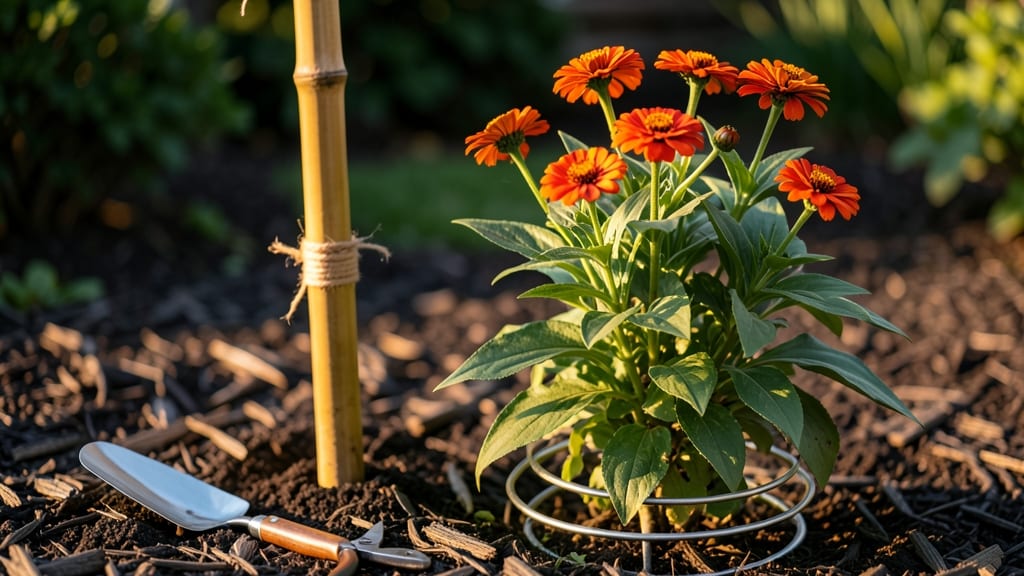
How to keep zinnias from falling over—it’s the battle every gardener faces, but the solution isn’t just staking (though that helps). I've wrestled with this exact problem for three summers, and the real game-changer is understanding why they topple in the first place—weak stems, wind, overcrowding, or poor soil structure—and addressing all of them together.
Start with proper spacing: give each zinnia 12-18 inches between plants to prevent competition for nutrients and air circulation. Amend your soil with compost before planting to strengthen stems from the ground up.
For varieties like 'Benary's Giant' or 'Profusion,' these basics often solve 80% of the problem before you even think about stakes.
When flopping happens, bamboo stakes or tomato cages work best—drive them in 3-4 inches deep at planting and tie stems loosely with soft plant ties. Deadhead regularly to encourage bushier growth, and mulch heavily to prevent soil compaction.
My zinnias now stand taller and straighter than ever, with fewer fallen blooms by midseason.
For windy areas, try upright varieties like 'Zahara' or plant zinnias near sunflowers or tall grasses as natural windbreaks. The key is combining good habits—spacing, soil prep, and support—so your zinnias stay proud instead of prone. Trust me, your summer bouquets will thank you.
📚 In This Guide
- What you need
- Instructions
- Tips and common mistakes
- Wrapping up and next steps
What you need
- ● Sturdy stakes or supports: 3–4 bamboo stakes (per plant, 18–24 inches tall)
- ● OR metal or wooden garden stakes (1–2 per plant, 24–36 inches tall)
- ● OR tomato cages (1 per 3–4 zinnias, 18–24 inches in diameter)
- ● Tying materials: Soft jute twine or garden twine (1–2 yards per plant)
- ● OR plastic plant ties (2–3 per stake)
- ○ Soil amendments (optional but helpful): 1–2 cups compost or well-rotted manure (per planting hole)
- ● 1 tablespoon balanced fertilizer (10-10-10 or similar)
- ● Watering can or hose (with a gentle spray nozzle)
- ○ Gloves (optional but recommended for comfort)
- ● Cauliflower cages (for larger zinnia varieties)
- ● Flower rings (pre-made supports for heavy blooms)
- ● Mycorrhizal fungi (to boost root strength)
- ● Mulch (straw or shredded leaves to retain moisture)
How to keep zinnias upright: structural support and growth techniques
Zinnias are stunning but notoriously top-heavy—here’s how to give them the stability they need without sacrificing their natural beauty.
Choose the Right Support System for Your Zinnias
Zinnias need support early to prevent flopping, but the wrong stakes can damage stems or restrict growth. I recommend bamboo or wooden stakes (4-6 inches tall) for smaller varieties like 'Thumbelina' or 'Crystal' series, while tall, slender metal stakes (18-24 inches) work best for towering types like 'Benary's Giant' or 'Profusion.' Place stakes 1-2 inches from the plant at planting time—driving them in after growth starts risks piercing stems.
For a more natural look, try soft ties made from old T-shirts or pantyhose strips instead of wire. These won’t cut into stems as the plant thickens. If you’re working with multiple plants, tomato cages (cut to 12-18 inches) provide support without the need for individual staking. The key is to position support before the plant reaches half its mature height—once zinnias lean, they rarely recover.
Plant in Well-Amended Soil for Stronger Stems
Weak stems are the #1 reason zinnias flop, and poor soil exacerbates the problem. Work 2-3 inches of compost into the planting hole before setting out seedlings or sowing seeds. Zinnias thrive in loamy, well-draining soil with a pH of 6.0-7.0—test your soil if plants consistently struggle. I also add a handful of perlite to the planting hole to improve aeration, which encourages thicker stem development.
Overcrowding stresses plants and weakens stems, so space zinnias 12-18 inches apart (check variety tags—some dwarf types need only 6 inches). Thinning seedlings early prevents competition for nutrients, which leads to leggy, floppy growth. If you’re direct-sowing, plant 1-2 seeds per hole and thin to the strongest stem once first true leaves appear—this gives remaining plants room to develop sturdy bases.
Water at the Base and Avoid Wetting Foliage
Top-watering zinnias leads to weak stems and fungal issues like powdery mildew, both of which contribute to flopping. Instead, water deeply at the soil line—aim for 1 inch of water per week, delivered either through drip irrigation or a soaker hose placed at the base. Water in the early morning to allow foliage to dry completely by evening, reducing disease risk.
Yellowing leaves or wilting despite moist soil often signals overwatering—zinnias hate soggy roots. Let the top 1-2 inches of soil dry out between waterings, and always check with your finger before watering again. Mulch with 2-3 inches of straw or shredded leaves to retain moisture and stabilize stems by reducing wind exposure. Avoid synthetic mulches like black plastic, which can overheat soil and stress plants.
Prune Strategically to Encourage Bushier Growth
Zinnias grow tall and leggy if not pruned, but pinching back too late won’t help. Start when plants are 6-8 inches tall and have 4-5 sets of leaves. Use clean, sharp pruners to snip the top 2-3 inches of the main stem just above a set of leaves. This encourages lateral branching, which produces thicker, more stable stems and more blooms.
Deadhead spent blooms regularly to redirect energy into stem strength rather than seed production. For cut flowers, harvest in the early morning when stems are fully hydrated—leave 2-3 sets of leaves on the stem to support continued growth. If a stem flops despite support, prune it back to a lower leaf node to encourage a stronger replacement stem. Avoid heavy pruning late in the season, as new growth won’t harden off before frost.
Monitor for Pests and Diseases That Weaken Stems
Japanese beetles and aphids sap the strength out of zinnia stems, making them more prone to flopping. Inspect plants weekly, especially on the undersides of leaves. If you spot skeletonized foliage (beetles) or sticky residue (aphids), blast plants with a strong stream of water to dislodge pests. For severe infestations, use neem oil or pyrethrin spray—apply in the early evening to avoid harming pollinators.
Powdery mildew, another common issue, weakens stems by reducing photosynthesis. Improve airflow by spreading plants slightly wider than recommended and avoiding overhead watering. If you notice white, powdery spots on leaves, treat with a baking soda spray (1 teaspoon baking soda + 1 quart water + a drop of dish soap) applied every 7-10 days until the problem clears. Preventative sprays in humid conditions can save your zinnias from collapsing entirely.
Tips & tricks for perfect zinnia support systems
Here's what nobody tells you about keeping zinnias standing tall—these are the game-changers that separate drooping disappointment from show-stopping blooms.
Support Timing is Everything: The most critical window for staking is when zinnias reach half their mature height. For varieties like 'Benary's Giant' (which can grow 3-4 feet tall), that means staking at 18-24 inches. I've seen gardeners wait until stems lean, but by then the damage is done—zinnias rarely recover once they flop. Position stakes 1-2 inches from the stem at planting, then gently tie with soft fabric strips as growth progresses. This gradual approach prevents stem constriction as the plant thickens.
Soil Science for Stronger Stems: Zinnias need loamy, well-draining soil with a pH of 6.0-7.0—this isn't optional. I test my soil annually because even slightly acidic conditions (below 6.0) weaken stems. Amend planting holes with 2-3 inches of compost and a handful of perlite to create an ideal growing environment. The perlite improves aeration, which encourages thicker stem development. Pro tip: Mix in a 1/4 cup of bone meal (optional) for extra phosphorus to strengthen cell walls.
Watering Wisdom to Prevent Flopping: The 1 inch per week watering guideline is non-negotiable, but how you deliver it matters just as much. Use drip irrigation or a soaker hose placed at the base—never overhead watering. I've seen zinnias collapse from fungal infections like powdery mildew because of wet foliage. Water in the early morning so leaves have all day to dry completely. The mulch layer (2-3 inches of straw) isn't just decorative—it stabilizes stems by reducing wind exposure while keeping roots consistently moist.
Pruning Strategy for Structural Integrity: When you pinch back zinnias at 6-8 inches with 4-5 sets of leaves, you're not just encouraging bushier growth—you're building a stronger framework. The key is to make clean cuts just above a leaf node using sharp pruners. Dull blades crush stems, creating entry points for disease. For flopping stems, prune back to a lower leaf node to trigger new, stronger growth. I avoid heavy late-season pruning because new growth won't harden off before frost, leaving plants vulnerable to winter damage.
Pro Tips for Keep Zinnias From Falling Over
- Here's what nobody tells you about keeping zinnias standing tall—these are the game-changers that separate drooping disappointment from show-stopping blooms.
- Support Timing is Everything: The most critical window for staking is when zinnias reach half their mature height.
- Soil Science for Stronger Stems: Zinnias need loamy, well-draining soil with a pH of 6.0-7.0—this isn't optional.
Frequently asked questions
about keeping zinnias upright can save you time and frustration. Here are answers to the most common concerns gardeners have when dealing with floppy zinnias.Why do my zinnias keep falling over even after staking?
Zinnias may still topple due to poor soil support or overcrowding. If stakes are too weak or planted too late, wind or rain can still bend them. Try deeper stakes (12–18 inches) or add a cage-like support for extra stability. Loosen the soil around the base to encourage stronger root growth.
When is the best time to stake zinnias?
Stake zinnias early—as soon as they reach 6–8 inches tall. This gives the stems time to strengthen around the support. If you wait until they’re fully grown, the stems may already be weak and prone to snapping. Pro tip: Use soft ties (like old pantyhose) to avoid damaging stems as they grow!
Can heavy rain or wind cause zinnias to fall over?
Yes! Zinnias are top-heavy with large blooms, making them vulnerable to wind and rain. To prevent this, plant them in sheltered spots (like near fences or walls) and use sturdy stakes or spiral supports. If a storm is coming, gently tie the stems to the stake temporarily for extra security.
Are there zinnia varieties that stay upright without staking?
Some compact or dwarf varieties (like ‘Thumbelina’ or ‘Crystal’) are naturally sturdier and need less support. However, most standard zinnias (like ‘Benary’s Giant’ or ‘Profusion’) will benefit from staking. If you love tall zinnias but hate staking, try bushier types or mix them with taller plants like sunflowers for natural windbreaks.
What should I do if my zinnias already fell over?
Don’t panic! Gently reposition the plant and secure it with a stake or a soft loop of twine. If the stem is broken, you can propagate from cuttings (place in water until roots form) or let it regrow from the base. For future plants, mulch heavily to keep soil moist and reduce stress.
Wrapping up and next steps
Keeping your zinnias upright is all about sturdy support and smart soil care—no flopping flowers here! 🌼 With the right stakes, pruning, and a little extra attention to their roots, your zinnias will stand tall and proud all season long.
Remember, a little effort now means bold, blooming beauty later.
Ready to transform your garden? Grab your supplies, roll up your sleeves, and give these tips a try. Your zinnias—and your neighbors—will thank you! 🌟