
How To
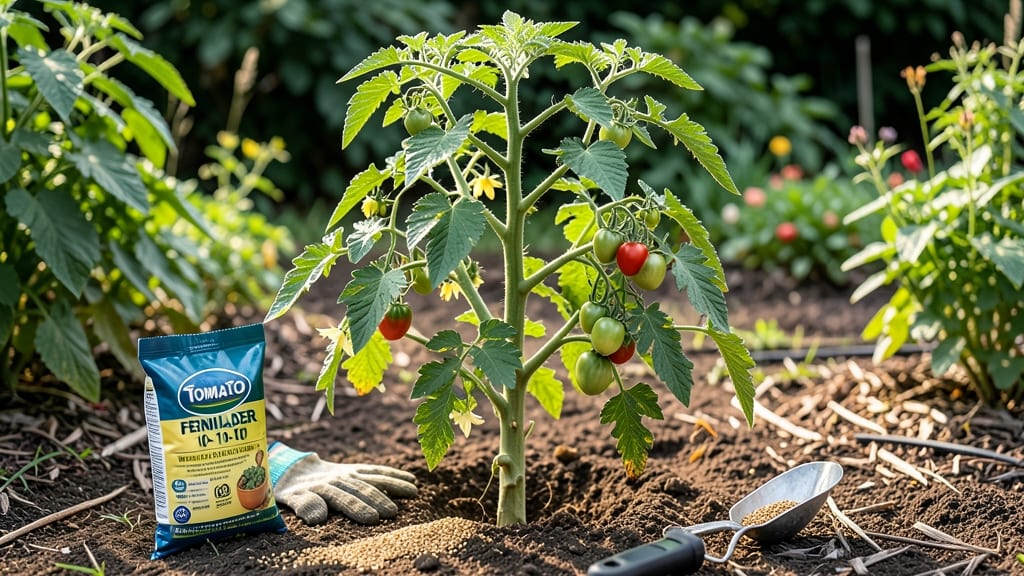
To know what fertilizer to use, match your soil test results (pH, nutrient deficiencies) and plant needs (nitrogen for leafy greens, phosphorus for blooms, potassium for roots). Organic options like compost work for slow-release nutrients, while synthetic blends offer precise ratios for quick fixes. Always follow label instructions for application rates.
Understanding your garden's specific needs starts with a soil test, which reveals the pH balance and nutrient deficiencies your plants are facing. 🌱 For example, acid-loving plants like blueberries need a pH below 5.5, while vegetables thrive in slightly acidic to neutral soil (6.0-7.0).
The test results also show which nutrients are lacking—whether it's nitrogen for lush foliage, phosphorus for root development, or potassium for overall plant health. Organic fertilizers like compost or manure release nutrients gradually, improving soil structure over time, while synthetic fertilizers provide immediate results when you need a quick boost.
Beyond soil tests, consider your plants' growth stages. Seedlings benefit from high-nitrogen fertilizers to build strong leaves, while flowering plants need phosphorus-rich formulas to produce vibrant blooms. Perennials often require different nutrient ratios in spring versus fall, so adjusting your approach seasonally makes a big difference.
Always check the label for application rates—over-fertilizing can harm plants just as much as under-fertilizing.
💡 In This Article
- Decoding Soil Test Results for Fertilizer Selection
- Matching Fertilizer Types to Plant Life Stages
Decoding soil test results for fertilizer selection
Soil tests reveal your garden's hidden language—pH levels and nutrient ratios that determine which fertilizers will work best.
For instance, a pH reading of 5.0-5.5 signals acidic soil, ideal for blueberries and azaleas, while a reading above 7.0 indicates alkaline conditions that may require sulfur-based amendments to lower pH. The test also quantifies macronutrients like nitrogen (N), phosphorus (P), and potassium (K), where deficiencies appear as numerical gaps—say, 50 ppm nitrogen versus the ideal 100-150 ppm for leafy greens.
Micronutrient deficiencies often show up as subtle but critical clues. Yellowing leaves between veins might indicate iron deficiency, while stunted growth with purple stems could signal phosphorus shortage.
Organic fertilizers like bone meal (rich in phosphorus) or chelated iron supplements target these specific needs, whereas synthetic blends like 10-10-10 provide broad-spectrum support. Organic matter percentage—ideally 5% or higher—also influences fertilizer choices, as healthy soil retains nutrients better, reducing the need for frequent applications.
What most gardeners overlook is how soil texture plays a role. Sandy soils drain quickly, requiring frequent, water-soluble fertilizers, while clay holds nutrients tightly, benefiting from slow-release organic options.
A soil test's organic matter reading helps here: 3-5% organic matter suggests adding compost, while less than 2% may need peat moss or well-rotted manure. This is where the science meets the practical—your soil's structure dictates not just what to add, but how to apply it.
Consider this real-world example: A vegetable garden with a soil pH of 6.8 and low phosphorus (30 ppm) would thrive with a 5-10-10 fertilizer (phosphorus-heavy) applied at 1 pound per 100 square feet, followed by a top-dressing of compost.
The compost improves soil structure over time, while the synthetic blend delivers immediate phosphorus for root development. This dual approach addresses both short-term needs and long-term soil health.
Seasonal variations also matter. In spring, focus on nitrogen-rich fertilizers to kickstart growth, while late summer calls for potassium to strengthen plants against winter stress. A soil test taken in early spring provides the baseline for your entire growing season's fertilizer strategy.
Think of it as your garden's annual checkup—ignoring the results is like treating a patient without knowing their vital signs.
Here's a pro tip: Keep your soil test report handy when shopping for fertilizers. The numbers on the bag (like 12-12-12) represent the percentage of nitrogen, phosphorus, and potassium by weight.
Match these ratios to your soil's deficiencies, but don't forget to factor in your plants' specific needs—tomatoes, for example, crave potassium for fruit production, while roses benefit from phosphorus for abundant blooms.
Remember, the goal isn't just to feed your plants but to build a thriving ecosystem. Healthy soil supports beneficial microbes that naturally cycle nutrients, reducing your long-term fertilizer needs. Start with the soil test, then let your plants guide the rest—it's the most precise (and sustainable) way to garden. 🌱