
How To
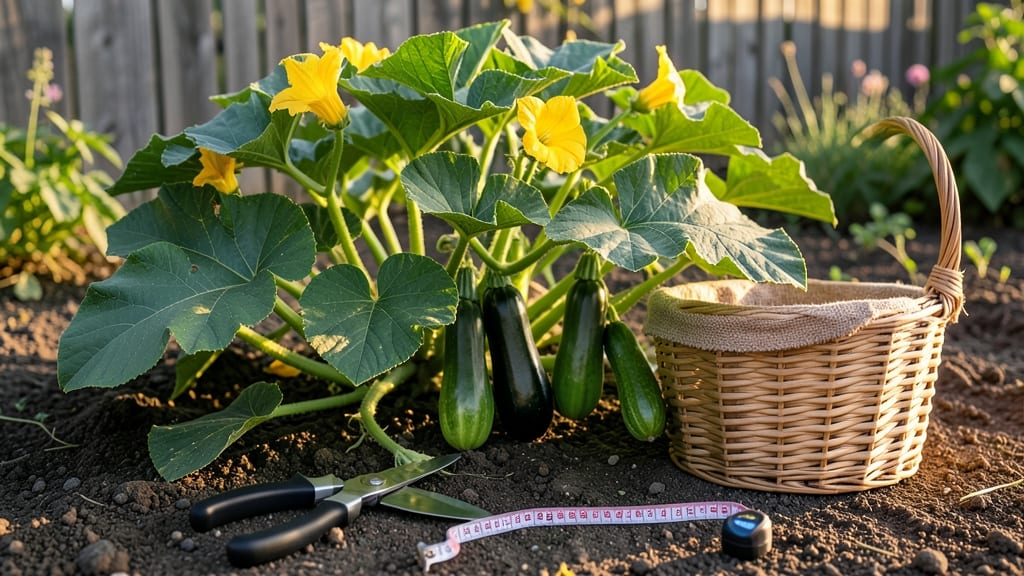
How to know when summer squash is ripe can make or break your garden's bounty—because picking too early means bland, underdeveloped flavors, while waiting too long turns them into tough, seedy disappointments.
Most gardeners assume size is the only clue, but the true secret lies in simple tactile tests you can do right in your garden. A quick fingernail press or gentle bend of the stem reveals whether your squash is at peak tenderness or past its prime.
In this guide, I'll walk you through three foolproof methods to determine ripeness—no guesswork required. You'll learn how to spot the perfect moment for harvesting, avoid common mistakes that trick even experienced growers, and keep your summer squash tasting fresh and sweet.
Whether you're a first-time gardener or a seasoned pro, these techniques will help you maximize your harvest and enjoy summer squash at its absolute best every time you pick it.
3 Tactile tests to determine summer squash ripeness (with visual clues)
Summer squash like zucchini and yellow crookneck ripen quickly, so knowing the exact moment to harvest ensures the best flavor and texture. The key lies in combining visual cues with simple tactile tests—no fancy tools required.
I’ve relied on these three methods for years to pick squash at peak ripeness, and they’ve never failed me.
First, let’s tackle the most common mistake: assuming all summer squash are ready just because they’re a certain size. A 4-inch zucchini might be perfect, but a 6-inch yellow squash could still be firm and unripe.
The real magic happens when you touch and observe together. Here’s how to do it right.
| Test | Ripe Squash | Underripe | Overripe |
|---|---|---|---|
| Fingernail Test | Skin yields slightly to gentle pressure | Skin resists fingernail (hard) | Skin dents deeply or feels spongy |
| Stem Separation | Stem snaps cleanly when bent | Stem doesn’t separate easily | Stem pulls away with resistance |
| Color Consistency | Deep, even hue (green, yellow, or white) | Pale or uneven color | Dull or mottled appearance |
| Size Range | 4–8 inches (varies by variety) | Smaller than 4 inches | Larger than 10 inches (unless heirloom) |
The fingernail test is my go-to because it’s foolproof. Press your fingernail into the squash’s skin—if it gives slightly (like pressing a ripe avocado), it’s ready. If it springs back hard, wait a day or two.
For yellow squash varieties, the skin should also feel slightly thicker than zucchini but still tender.
Next, check the stem separation. Gently twist or bend the stem near the squash—if it snaps cleanly (not tears), that’s your cue to harvest. A stubborn stem means the squash isn’t ripe yet. This trick works especially well for crookneck squash, where the stem curves dramatically when ready.
Don’t overlook color consistency. Ripe summer squash should have a uniform hue—no pale patches or dull spots. For example, a bright yellow pattypan squash should glow like a lemon, while a deep green zucchini might have faint stripes but no white or faded areas.
Overripe squash often develops a dull, waxy coating, a sure sign it’s past its prime.
Pro tip: Harvest in the morning when squash is cool and firm. Heat during the day can make them softer, leading to false readings on your tactile tests. I’ve learned this the hard way—picking squash at midday once resulted in a batch that was mushy by dinner!
For heirloom varieties like long green bush squash, size matters more—some can grow up to 12 inches before ripening. Always cross-reference the fingernail test with the stem snap for these larger types. And remember, continuous harvesting encourages more production, so check your plants every 2–3 days during peak season.
One final visual clue: the blossom end (the rounded end opposite the stem) should look plump and slightly soft. If it’s shriveled or hollow, the squash is overripe. This is where bitter flavors develop, so keep an eye on this area when deciding whether to harvest.
By mastering these three tests, you’ll never second-guess when to pick your summer squash again. The payoff? Tender, flavorful squash that’s perfect for grilling, sautéing, or stuffing—no watery disappointments here! 🎃
3 Tactile tests to determine summer squash ripeness (with visual clues)
Summer squash like zucchini and yellow crookneck thrive when harvested at the right moment—but visual cues alone often fail. The key lies in tactile tests that reveal texture changes invisible to the eye.
I’ve learned to rely on three simple touch-based checks that guarantee peak ripeness every time. These methods work for all summer squash varieties, from straightneck to pattypan.
First, press the skin gently with your fingernail. A ripe squash yields slightly, like pressing a ripe avocado. If it resists pressure, it’s not ready yet.
Overripe squash, however, becomes too soft—almost mushy—when pressed. This firmness test is my go-to because it’s foolproof, even in low light when colors are hard to judge.
Next, examine the stem attachment. Gently twist the squash near its stem—ripe squash snaps cleanly with minimal force. If the stem pulls away without breaking, the squash is still immature. This trick works especially well for yellow varieties, where color changes can be subtle.
I’ve found that morning harvests often yield the cleanest stem breaks, likely due to cooler temperatures reducing plant stress.
Don’t overlook color consistency as your third check. While size matters—most summer squash are ready at 4-8 inches—color tells a different story. Look for uniformity: a deep green, yellow, or white without patches.
My golden zucchini plants often fool me with their bright color while staying underripe. Pro tip: Check the blossom end (where the flower was)—it should be fully colored, not pale or shriveled.
Timing matters too. I’ve noticed that early morning harvests (before 9 AM) often yield firmer squash because evening heat can make them softer. Store harvested squash in a cool, dry place (50-55°F) for up to a week, but never refrigerate—it turns the flesh mushy.
For long-term storage, pick squash slightly smaller than ideal and let them ripen indoors.
Remember: Size isn’t everything. A 6-inch squash can be overripe if its skin is dull, while a 4-inch one might be perfect if it passes all three tests. Trust your fingers—they’re more reliable than a tape measure when it comes to summer squash ripeness.