
How To
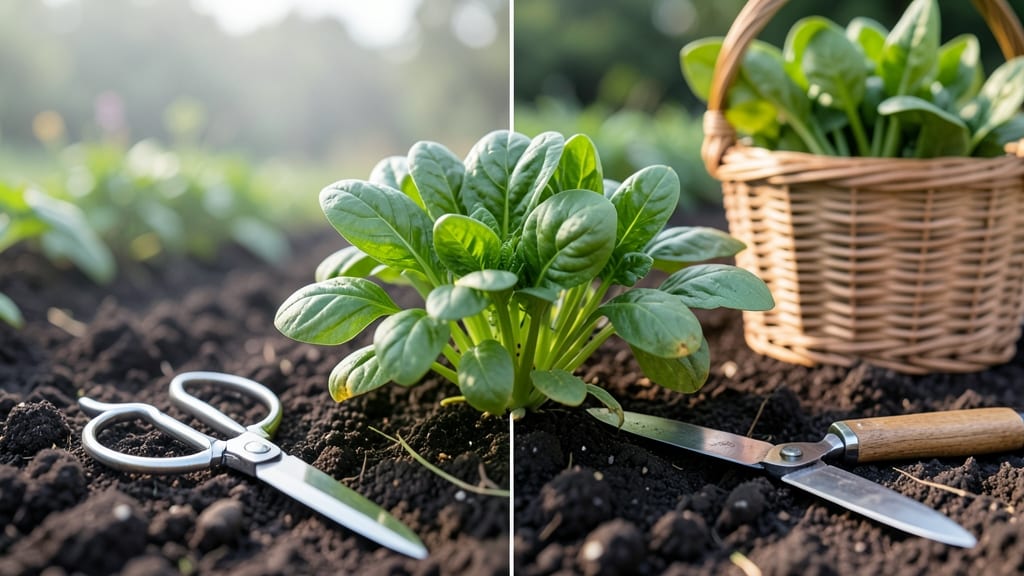
How to know when to harvest spinach can mean the difference between a crisp, flavorful salad and a bitter, tough mess. Your spinach plants are ready sooner than you think, and missing the window means wasted effort.
Most gardeners wait too long, letting their 🌱 spinach turn stringy or bolt into flower stalks. The secret lies in watching leaf size, texture, and growth stage—all clues your plants give you daily. I’ll show you how to spot these signs so you never harvest too early or late again.
Whether you’re growing spinach in USDA Zone 6a or your backyard, timing matters. A leaf between 3-6 inches long with bright green color is your best bet for peak flavor. I’ll break down the exact cues and how to keep your plants producing all season.
Skip the guesswork and learn the foolproof way to harvest spinach at its sweetest. Ready to turn your garden into a never-ending supply of fresh greens? Let’s get started.
Spinach leaf size and growth stages for perfect harvest timing
Spinach thrives when harvested at the right growth stage, balancing leaf size and tenderness. Most varieties reach peak flavor when leaves measure 3 to 6 inches long, but timing varies slightly by type—flat-leaf spinach often matures faster than curly varieties.
Pay close attention to leaf texture and color, as these are your best indicators of readiness.
Young spinach leaves, often called baby leaves, can be harvested as early as 30 days after planting. These tiny greens (about 2-3 inches) offer a delicate, sweet flavor perfect for salads.
However, if you wait until leaves reach 4-6 inches, you’ll get a more robust texture ideal for cooking. The key is to avoid letting leaves grow too large, as they’ll become bitter and tough.
Here’s how to identify the perfect harvest window for spinach:
| Growth Stage | Leaf Size | Texture | Harvest Tip |
|---|---|---|---|
| Baby Leaves | 2-3 inches | Ultra-tender | Harvest entire plant or outer leaves |
| Mature Leaves | 4-6 inches | Tender but firm | Use cut-and-come-again method |
| Overmature | 6+ inches | Tough, bitter | Avoid harvesting; may bolt |
One common mistake is harvesting spinach too late, which leads to bolting—when the plant sends up a flower stalk. This happens when days get longer (typically in late spring) or when spinach experiences stress like heat waves or drought.
To prevent bolting, plant slow-bolting varieties like 'Bloomsdale Long Standing' or 'Tyee' and keep soil consistently moist.
For continuous harvests, focus on the outer leaves first. These mature earlier than inner leaves, allowing the plant to keep producing. Use clean, sharp scissors or pruners to snip leaves just above a leaf node (the point where leaves attach to the stem).
This encourages new growth while minimizing damage to the plant.
Another pro tip: Harvest in the morning when leaves are crisp and hydrated. Avoid picking after rain or in the evening, as humidity can promote disease and make leaves soggy.
If you notice yellowing leaves or stunted growth, it may be a sign of overcrowding—thin plants to 6-8 inches apart for better air circulation and nutrient access.
Seasonal timing also plays a role. In spring, spinach grows quickly in cooler weather, often ready for harvest in 4-5 weeks. In fall, growth slows as temperatures drop, so aim to harvest before the first frost.
If you’re growing spinach in containers, check leaves every 5-7 days—they may mature faster due to limited root space.
To test readiness, gently pinch a leaf between your fingers. If it feels soft and slightly crisp, it’s ready. If it’s mushy or fibrous, wait a few more days. Remember, spinach is a cut-and-come-again crop, so you can harvest multiple times throughout the season with proper care.
Finally, watch for pest signs like holes or chewed edges, which can mimic overmaturity. If pests are an issue, harvest affected leaves immediately and treat the plant with neem oil or row covers to protect future growth.
Spinach leaf size and growth stages for perfect harvest timing
Determining the perfect time to harvest spinach starts with understanding its growth stages and ideal leaf size. Most varieties reach harvest readiness when leaves measure between 3 to 6 inches long, but timing varies slightly by type—flat-leaf spinach often matures faster than curly varieties.
Baby leaves (2-3 inches) are milder and perfect for salads, while larger leaves (5-6 inches) offer a heartier texture for cooking.
Spinach grows in a rosette pattern, with outer leaves maturing first. This means you can harvest selectively without killing the plant, allowing for continuous yields. The key is to watch for bright green color and tender texture—both signs that the leaves are at their peak.
Overlooking these cues often leads to harvesting leaves that are either too small or woody.
| Growth Stage | Leaf Size | Harvest Ready? | Texture |
|---|---|---|---|
| Seedling | 1-2 inches | No | Tender but tiny |
| Baby Leaf | 2-3 inches | Yes (salad) | Very tender |
| Mature Leaf | 4-6 inches | Yes (cooking) | Tender to slightly crisp |
| Overmature | 6+ inches | No (woody) | Tough and fibrous |
Avoid the common mistake of harvesting spinach too late, when leaves become bitter or stringy. This often happens in hot weather or when plants bolt (send up flower stalks). For continuous harvests, focus on outer leaves first—this encourages the plant to produce new growth from the center.
Use clean, sharp scissors or shears to snip leaves just above the soil line, leaving the growth point intact.
Temperature plays a crucial role in spinach maturity. In cooler spring or fall weather (50-65°F), spinach grows slower but stays tender longer. Conversely, warm summer temperatures (>75°F) accelerate growth, making leaves ready for harvest in just 30-40 days.
Always check the base of leaves for signs of bolting—a sure sign it’s time to harvest before flavor deteriorates.
For baby spinach varieties like 'Baby’s Leaf Hybrid,' you can harvest leaves as small as 2 inches, but most standard types (e.g., 'Bloomsdale Long Standing') need 4-6 inches for optimal flavor.
Pro tip: Harvest in the morning when leaves are crispest and most flavorful. Store harvested spinach in a plastic bag in the fridge for up to 5 days to maintain freshness.
If your spinach starts to yellow or develop hollow stems, it’s a sign of bolting—time to harvest immediately. This is especially common in late spring when days lengthen. By mastering these growth cues, you’ll enjoy a steady supply of fresh, tender spinach all season long.