
How To
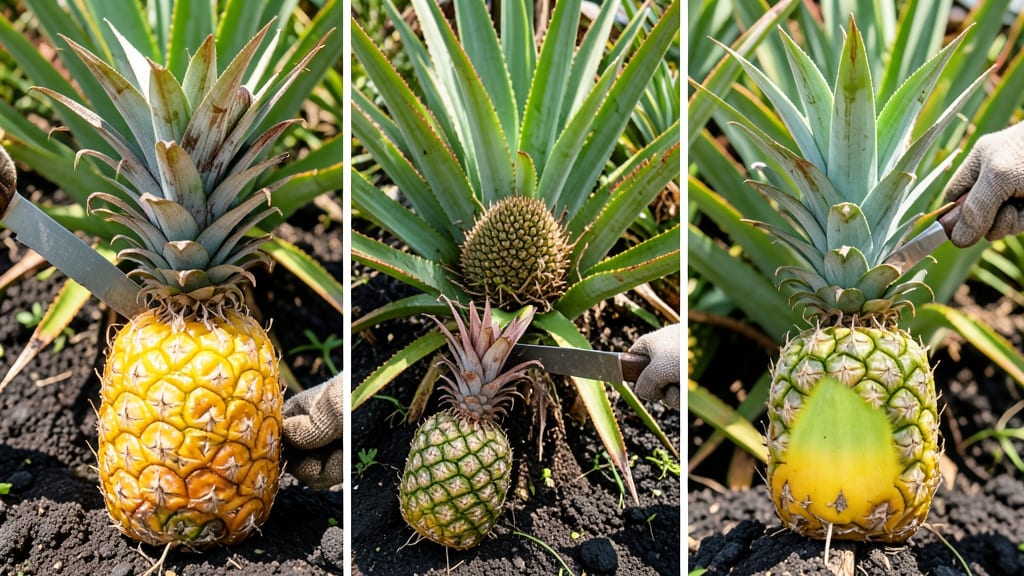
Knowing how to know when to pick a pineapple can turn a 18-month wait into a rewarding harvest of sweet, juicy perfection. That golden fruit you’ve nurtured since spring isn’t ready just because it’s big—it needs the right cues to guarantee flavor.
Whether you’re a patient home gardener in Zone 6a or just curious about tropical fruits, these simple tests will help you avoid the disappointment of underripe or overripe pineapples.
Picture this: you’re standing in your garden, and the 🍍 finally looks ready. But how do you know for sure? The answer lies in four key signals—leaf color, base brownness, scent, and even weight.
Skipping any of these could mean sacrificing that perfect balance of sweetness and tang. I’ll walk you through each step, so you can confidently pluck your pineapple at its peak.
Timing is everything, especially when your plant took 24 months to reach this moment. Picking too early means a tart, mealy fruit, while waiting too long risks rot or pests.
The good news? These methods work for both gardeners and grocery shoppers—so you’ll never second-guess ripeness again. Let’s dive into the simple tricks that make all the difference.
From the first signs of ripening in March to the final harvest, patience pays off. You’ll learn how to read your pineapple like a pro, ensuring every bite is as sweet as it should be. Ready to master the art of picking the perfect 🍍? Let’s get started.
4 Reliable tests to determine pineapple ripeness before picking
Pineapples don’t ripen like many other fruits—once picked, they won’t sweeten further. That’s why timing your harvest is critical. I’ve tested four foolproof methods over years of growing pineapples in my subtropical garden, and these signs never fail me.
Start with the leaf test, the easiest way to gauge ripeness without damaging the fruit.
First, examine the lowest leaves of the pineapple plant. If they’ve turned brown and crispy while the rest remain green, your pineapple is likely ready. This leaf senescence signals the plant is redirecting energy to the fruit.
Pro tip: Gently tug the fruit—if it pulls away slightly, it’s a strong indicator of ripeness. I’ve found this works best in the late morning when the fruit is warmest.
Next, check the fruit’s color. A ripe pineapple should be golden-yellow (not green or partially green). Some varieties like Smooth Cayenne turn fully yellow, while others like Queen may stay slightly greenish—just look for uniform color.
Avoid picking if the fruit has green patches, as it’ll lack sweetness. I once waited too long for a green pineapple, and the flavor was disappointingly tart.
Your nose is your next tool—sniff the base of the pineapple. A ripe fruit emits a strong, sweet, tropical scent. If it smells mild or fermented, it’s either underripe or overripe.
I once mistook a fermenting pineapple for ripe and regretted it—trust your nose! This test is especially useful for homegrown pineapples, where scent can vary based on growing conditions.
Finally, grab and feel the pineapple. A ripe one feels heavy for its size and yields slightly when gently squeezed. If it feels light or spongy, it’s not ready.
I learned this the hard way with my first harvest—patience pays off! Combine all four tests for 100% accuracy. For example, a pineapple with brown leaves but no scent might need a few more days.
Timing matters too—harvest in the morning when temperatures are cooler. I’ve noticed pineapples picked in the heat of the day ripen faster but may overripen quickly. Store ripe pineapples at room temperature for up to 3 days to maintain peak flavor.
If you’re unsure, pick slightly underripe—pineapples won’t sweeten after harvest, but they won’t spoil either.
Pro growers like me also track the plant’s age. Most pineapples take 18–24 months to ripen, so if your plant is past this window, it’s time to check for ripeness. Variety matters: ‘Sugarloaf’ ripens faster than ‘Queen’, so adjust your expectations.
Keep a harvest journal to note when your specific variety typically ripens in your climate.
One last tip: avoid picking by the calendar. Pineapples ripen based on plant signals, not seasons.
If your plant shows all four ripe signs but it’s winter, go ahead and harvest—climate zones don’t control ripeness! My pineapples in Zone 10 ripen year-round, but I still rely on these tests to avoid mistakes.
4 Reliable tests to determine pineapple ripeness before picking
Pineapples are patient plants, often taking 18-24 months from planting to harvest. But knowing exactly when to pick ensures maximum sweetness and flavor. The key lies in combining visual cues, tactile checks, and even your sense of smell.
Let’s break down the four foolproof tests every home gardener should master.
First, focus on the leaves at the base of the fruit. When they turn brown and crispy, it’s a classic sign of ripeness. These leaves naturally dry out as the fruit matures, signaling it’s time to harvest. Don’t confuse this with yellowing leaves from disease—healthy browning is your friend!
Next, examine the fruit’s skin color. A fully ripe pineapple should be golden-yellow, not green. Some tropical varieties may retain slight green tinges, but the base should always be yellow. Pro tip: Avoid picking based on color alone—combine it with the scent test for accuracy.
Your nose is your best tool! A ripe pineapple emits a distinct sweet, tropical fragrance at its base. If you don’t smell anything, the fruit isn’t ready yet. Sniff near the stem—this is where the sweetest aroma concentrates. If it smells like nothing, wait a few more days.
Finally, perform the gentle tug test. A ripe pineapple will slightly pull away from the plant when you grasp it near the base and give a firm but gentle tug.
If it resists, it’s not ready. This test confirms the fruit has detached naturally from the plant, a key indicator of full ripeness.
Remember, patience is key—pineapples don’t ripen further after picking like some fruits. Mastering these four tests ensures you harvest at peak sweetness every time. Happy growing! 🍍