
Picking
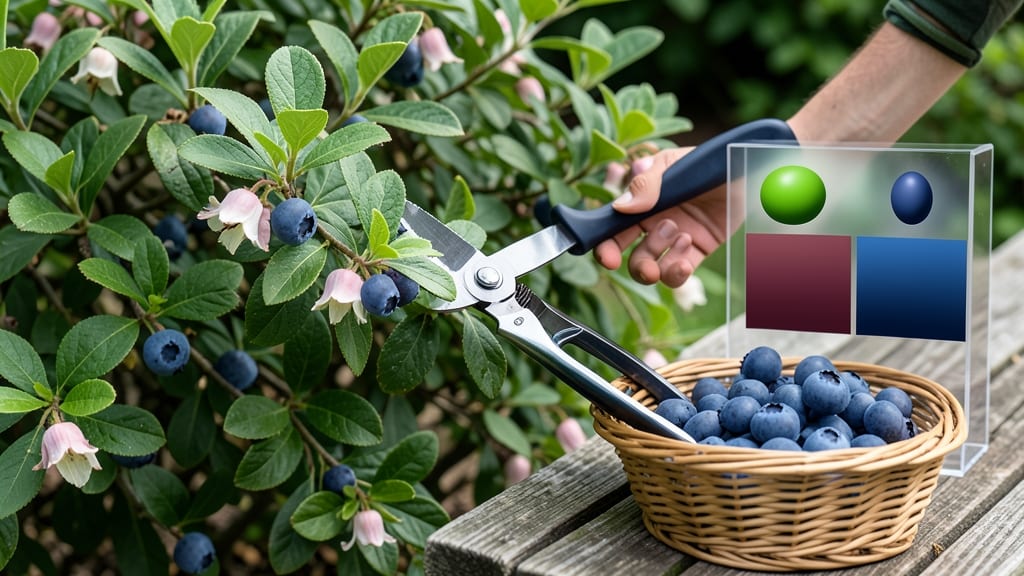
To know when to pick blueberries, look for berries that pop off stems with light pressure, show a rich blue hue (no red or purple), and feel tender but not mushy. Skip any still white, rock-hard, or shriveled fruit.
Blueberries signal peak ripeness through three key changes: their color shifts from red to deep blue as anthocyanins develop, their texture softens just enough to yield to gentle pressure (like ripe peaches), and they separate cleanly from stems due to natural ethylene release. 🌱 The 2-3 day window between these cues is your harvest sweet spot—wait too long and they'll shrivel, pick too early and they'll lack flavor.
I always test a few berries first to confirm the batch is ready.
Timing matters too: Southern bushes ripen 2-4 weeks earlier than Northern ones, with humidity accelerating softening. Check bushes every 2-3 days during peak season (late May to July in most regions) for that perfect balance of firmness and sweetness.
💡 In This Article
- Blueberry Ripeness Science: Color, Texture, and Detachment Triggers
- Seasonal Blueberry Picking Calendar and Regional Variations
Blueberry ripeness science: color, texture, and detachment triggers
Blueberries undergo a fascinating chemical transformation as they ripen. The red hue you see initially comes from anthocyanins—water-soluble pigments that protect the fruit from UV damage.
As the berries mature, these pigments shift to deeper blues due to changes in pH levels inside the fruit, creating that signature deep indigo color.
This color change isn't just cosmetic; it signals that the fruit's natural sugars have fully developed, typically reaching 10-12% sugar content at peak ripeness, compared to just 5-7% when still red.
The texture transformation happens because of cell wall breakdown. Enzymes like pectinase soften the berry's structure, making it yield slightly when pressed—like a ripe avocado. This softening occurs in the 24-48 hours before full ripeness, which is why you'll feel a subtle give when you gently squeeze.
Overripe berries, however, become mushy because their cells rupture completely, releasing excess moisture. 🌿 The ideal berry should feel firm enough to hold its shape but soft enough to indicate full sugar development.
Stem detachment is triggered by ethylene gas, a natural plant hormone that accelerates ripening. As ethylene levels rise, the berry's attachment point weakens, allowing it to pop off with minimal pressure—this is nature's way of signaling it's ready for harvest.
If berries don't detach easily, they're either underripe (still firm) or overripe (starting to shrivel). I've found that testing a few berries first is crucial; if they don't separate cleanly, wait another 1-2 days for optimal flavor.
Temperature plays a surprising role in these cues. Cooler mornings slow ripening, while afternoon warmth accelerates it—this is why peak harvest often occurs in the late morning. Humid conditions can also make berries soften faster, sometimes causing them to ripen unevenly on the same bush.
The key is to pick when 70-80% of berries meet all three ripeness criteria (color, texture, detachment), leaving the rest to ripen for later picking.
What most people miss is that blueberries continue to ripen slightly after picking, thanks to residual ethylene. This is why you can safely harvest slightly underripe berries (still red with blue undertones) and let them finish ripening at room temperature for 1-2 days.
However, avoid refrigerating them until fully ripe, as cold temperatures can halt ripening and make them taste bland. The perfect balance is picking when berries are 80% ripe—they'll develop full flavor while maintaining their texture.
For those who grow their own bushes, consider this pro tip: The first berries to ripen are usually on the outer branches, while inner ones lag by 3-5 days. This staggered ripening means you'll need to make 2-3 picking passes to get all the fruit at peak ripeness.
And remember, once you see birds or wildlife feasting on your berries, it's definitely time to harvest! 🐦