
How To
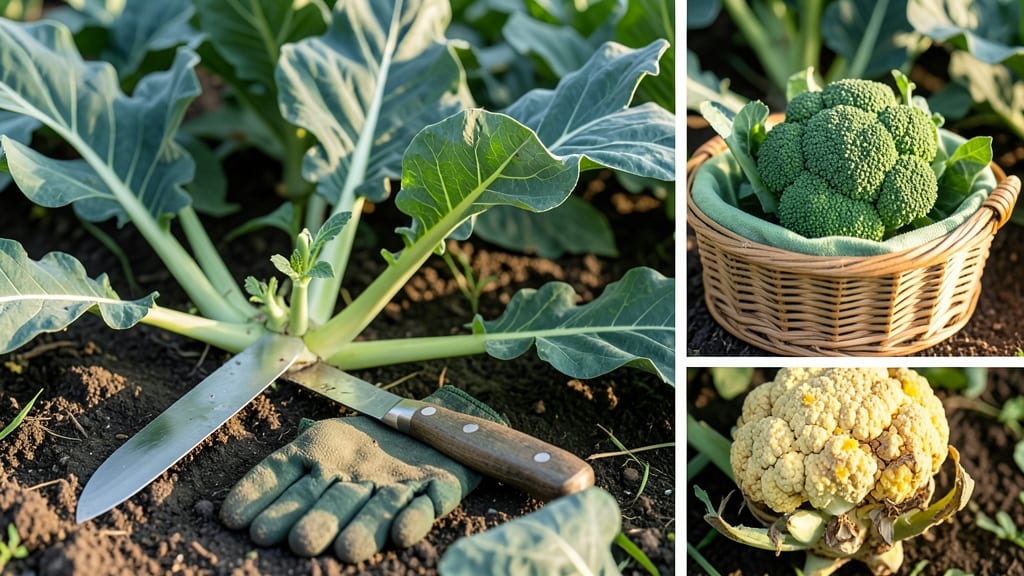
How to know when to pick broccoli can make the difference between a sweet, tender harvest and a bitter, woody disappointment. The secret lies in a simple but often overlooked test that checks three key areas: color, stalk firmness, and crown size.
I’ve made the mistake of waiting too long—only to end up with yellowing florets and a tough stem that’s nearly inedible. But once you master this color-stalk-crown test, you’ll never second-guess your timing again.
It’s the little details, like the vibrant green of the florets or the slight give when you bend the stalk, that tell you it’s time to harvest.
This guide will walk you through exactly what to look for, so you can pull your broccoli at its peak—before it turns bitter or starts flowering. No more guesswork, just a foolproof method for home gardeners in Zone 6a and beyond.
Ready to go from uncertain to confident? Let’s dive into the signs that mean your broccoli is finally ready for the cutting board.
Broccoli harvesting guide: the 3 key signs to pick at perfect ripeness
Harvesting broccoli at the perfect moment transforms your garden into a flavor factory. The color-stalk-crown test is my go-to method for determining peak ripeness—it’s simple, visual, and foolproof. When you nail this timing, you’ll enjoy sweet, crisp florets packed with nutrients, not bitter or woody stalks that scream "overripe!"
Let’s break down each clue so you never miss the window again.
First, focus on the floret color. Ideal broccoli heads should be a deep, vibrant green with no yellowing. Think of it like a traffic light—green means "go," while yellow or brown signals "too late."
The buds should also be tightly packed, like a well-organized bouquet. If you see gaps or flowers starting to bloom, your broccoli has already peaked and will taste tough and bitter.
Next, check the stalk firmness. A ready-to-harvest stalk should snap cleanly when bent, not bend like a bow or feel mushy. Run your thumb along the stem near the base—if it’s yellowish (not green), that’s your cue to grab the shears.
This yellowing indicates the plant is redirecting energy to seed production, which means the head is past its prime.
Finally, examine the crown size. The head should measure between 4 to 8 inches in diameter, depending on the variety. If it’s smaller, give it more time; if it’s larger, you’ve waited too long.
Pro tip: Dwarf varieties like 'Calabrese' stay compact, while standard types like 'De Cicco' can grow bigger—always check your plant’s tags for guidance.
Overripe vs. Perfectly Ripe Broccoli
| Sign | Perfectly Ripe | Overripe |
|---|---|---|
| Floret Color | Deep green 🟢 | Yellowing or brown 🟡 |
| Stalk End | Yellowing base 🟡 | Green or woody 🟢 |
| Head Shape | Compact & tight ✂️ | Loose or flowering 🌼 |
| Stem Snap Test | Snaps cleanly ✅ | Bends or feels mushy ❌ |
Timing your harvest also depends on weather conditions. If a heatwave hits, broccoli can mature faster—check daily during hot spells. Conversely, cool weather slows growth, so don’t rush if temperatures dip. Always harvest in the morning when florets are crispest and most flavorful.
Use a sharp knife or shears to cut the stalk about 5 inches below the head—this leaves room for side shoots to grow.
One common mistake is assuming all broccoli varieties ripen the same way. Purple sprouting broccoli, for example, stays vibrant even when slightly larger, while Romanesco has a fractal-like shape that’s ready when its spirals tighten.
Pay attention to your specific variety’s traits—some even change color as they ripen, like the stunning purple-to-green shift in 'Purple Sprouting.'
Don’t forget to rotate your harvest! Picking the main head encourages the plant to produce 3-5 smaller side shoots over the next few weeks. These "baby broccoli" heads are even sweeter and more tender. Just repeat the color-stalk-crown test on these smaller florets—they ripen faster than the original head.
If you miss the window and your broccoli starts flowering, all isn’t lost. The tiny yellow flowers are edible and packed with flavor—just trim them off and use them in stir-fries or salads.
Overripe broccoli can also be roasted or blended into soups, but it won’t have that prized crunch and sweetness of a perfectly timed harvest.
Pro tip: Keep a harvest journal to track when your plants ripen. Note the days from planting, weather conditions, and variety—this helps you predict future harvests like a pro. Over time, you’ll develop an instinct for when to pick, but until then, trust the color-stalk-crown test every time.
Broccoli harvesting guide: the 3 key signs to pick at perfect ripeness
Harvesting broccoli at the right time transforms your garden into a flavor powerhouse. The color-stalk-crown test is my foolproof method for determining peak ripeness. When you master these three visual cues, you'll avoid the disappointment of bitter, woody florets or underdeveloped heads that never reach their potential.
First, focus on the floret color. Perfect broccoli crowns display vibrant, deep green florets that haven't started yellowing. This indicates the plant has reached its sugar peak but hasn't begun converting starches into bitter compounds.
I always check for uniform color across the entire head before making my final decision.
| Sign | Perfectly Ripe | Underripe | Overripe |
|---|---|---|---|
| Floret Color | Deep green 🟢 | Light green 🟡 | Yellowing 🌼 |
| Stalk Firmness | Snaps cleanly ✂️ | Bends without breaking | Woody texture |
| Crown Size | 4-8 inches 📏 | Under 4 inches | Over 8 inches |
| Stem End | Yellowing 🟡 | Green | Brown |
The stalk firmness is your second critical indicator. When broccoli is ready, the stem should snap cleanly when bent at a 90-degree angle. I test this by gently grasping the stalk near the base and applying firm pressure—if it breaks with a clean snap, it's harvest-ready.
A stalk that bends without breaking signals underripeness, while a tough, fibrous texture means you've waited too long.
Don't overlook the crown size, which should measure between 4 to 8 inches in diameter. Heads smaller than 4 inches often lack full flavor development, while those exceeding 8 inches tend to become loose and bitter.
I measure with my hand as a quick reference—about the size of a softball is perfect. The crown should also remain tight and compact with no visible gaps between florets.
Pro tip: Check the stem end where you'll make your cut. A yellowing base indicates the plant is directing energy downward, signaling maturity. This is your final confirmation before harvesting. I always make my cut about 1 inch below the crown to encourage side shoot production for a second harvest.
Timing matters most in the morning after dew has evaporated but before the midday heat sets in. This gives you the freshest flavor and ensures your broccoli stays crisp during storage.
I harvest within 30 minutes of sunrise for the best results, especially during hot summer months when broccoli matures quickly.