
How To
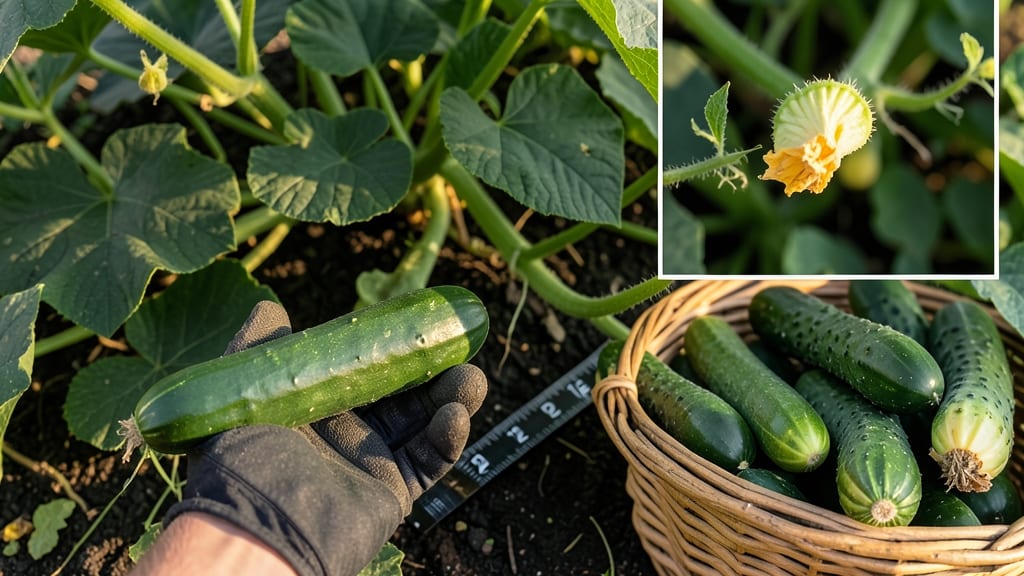
Knowing how to know when to pick cucumber can mean the difference between a crisp, refreshing bite and a bitter, seedy disappointment. That perfect 🥒 you’ve been waiting for won’t wait forever—once it’s ready, it’ll be gone faster than you think.
If you’ve ever pulled a cucumber from the vine only to find it underripe or overripe, you’re not alone. The key is learning the subtle visual cues that signal peak ripeness, from size and color to texture.
These 3 simple checks will help you harvest at the exact moment when flavor and crunch are at their best.
Whether you’re growing slicing varieties like Straight Eight or pickling types like Boston Pickling, timing matters. Miss the window, and you’ll end up with cucumbers that are either too tough or too mushy. Let’s break down the signs so you never miss the perfect harvest again.
Ready to go from guessing to knowing? By the end of this, you’ll confidently spot the ideal cucumber every time—no more second-guessing, just crisp perfection on your plate.
3 Visual cues to identify perfectly ripe cucumbers
Harvesting cucumbers at the right moment transforms your garden bounty from bland to bursting with flavor. The key lies in three simple visual cues that reveal when your cucumbers are ready to pick.
I’ve learned the hard way—overripe cucumbers taste bitter and develop tough skin, while underripe ones lack sweetness. Let’s break down these three foolproof signs to ensure you never miss the perfect harvest window again.
First, pay attention to the cucumber’s size. Most slicing varieties like 'Straight Eight' reach their prime at 6-8 inches long, while pickling types such as 'Boston Pickling' are best at 4-6 inches.
Measuring with your hand is a quick trick: hold the cucumber alongside your palm—if it’s about the length of your hand, it’s likely ready. Smaller cucumbers often taste watery, while larger ones can become seedy and bitter.
Next, check the skin’s texture with a simple touch test. A perfectly ripe cucumber should feel firm but yield slightly when you press your thumbnail into it. If it’s rock-hard, it’s underripe and lacks flavor.
On the flip side, if it feels mushy or soft, it’s past its prime and may develop a bitter taste. This tactile check is my go-to method—it’s quick and reliable, even for beginners.
The color of the stem end is another game-changer. For most varieties, the stem end should turn yellow or brown as the cucumber matures. This change signals that the cucumber has reached its ideal ripeness.
However, some heirloom varieties might stay green—always cross-reference with size and texture. Pro tip: Pick cucumbers in the morning when they’re cool and hydrated for the best flavor and texture.
Environmental factors can also influence ripeness. In hot climates, cucumbers may ripen faster, so check them every 2-3 days. Conversely, cooler weather slows growth, giving you more time to monitor their progress.
If you’re growing trellised cucumbers, they’ll often ripen more evenly and stay cleaner, making it easier to spot the perfect moment to harvest.
One common mistake I see is waiting until cucumbers are too large. By the time they reach 10 inches or more, they’ve developed thick skin and bitter seeds. To avoid this, I set a reminder to check my plants every 2-3 days during peak growing season.
Consistency is key—regular harvesting encourages your plants to produce more cucumbers throughout the season.
For pickling cucumbers, timing is even more critical. They should be harvested when they’re small and firm (around 2-3 inches for 'Cornichon' types). Waiting too long will result in cucumbers that are too large and seedy for pickling.
Always harvest pickling cucumbers before they reach 4 inches to ensure the best crunch and flavor in your homemade pickles.
Finally, pay attention to the overall appearance of your cucumber. A ripe cucumber should have a glossy, vibrant skin with no blemishes or soft spots. Any signs of yellowing, wilting, or mold mean it’s time to harvest immediately—even if it’s not perfectly sized.
These cues indicate the cucumber is overripe and may spoil quickly.
Mastering these three visual cues—size, skin firmness, and color—will transform your cucumber harvests from hit-or-miss to consistently delicious. The next time you’re in your garden, take a moment to examine your cucumbers closely. You’ll be amazed at how much difference perfect timing makes in flavor and texture!
When to harvest cucumber varieties differently: slicing vs. pickling types
Not all cucumbers ripen at the same time—or even to the same size! If you're growing both slicing cucumbers (like 'Straight Eight') and pickling cucumbers (like 'Boston Pickling'), timing your harvests differently is key.
Slicing types thrive when larger and firmer, while pickling varieties need to be harvested smaller and younger for that perfect crunch.
I’ve learned the hard way that treating all cucumbers equally leads to either overgrown, seedy monsters or underripe, bland snacks. The secret lies in understanding the ideal harvest window for each type—and I’ll break it down so you never miss the sweet spot again.
Pro Tip: Always harvest in the morning when cucumbers are cool and crispest. Avoid picking after a hot day, as the skin can become tough and flavor dull.
| Cucumber Type | Ideal Size | Best Color | Texture | Harvest Window |
|---|---|---|---|---|
| Slicing (e.g., 'Straight Eight') | 6-8 inches | Deep, glossy green | Firm but yields slightly | Days 55-65 |
| Pickling (e.g., 'Boston Pickling') | 3-4 inches | Bright, even green | Crisp, no give | Days 45-55 |
| Parthenocarpic (seedless) | 7-9 inches | Dark green, uniform | Firm, no soft spots | Days 50-60 |
For slicing cucumbers, wait until they reach 6-8 inches long with a deep green, glossy skin. The stem end should turn yellow or brown—this is your cue that the cucumber has stopped growing.
If you miss this window, you’ll end up with oversized, seedy cucumbers that taste bland and watery.
On the other hand, pickling cucumbers should be harvested when they’re 3-4 inches long and still bright green. Their skin should be thin and crisp, almost like a baby cucumber. Waiting too long turns them bitter and tough—perfect for slicing but terrible for pickling.
If you’re growing parthenocarpic varieties (like 'Corinto'), aim for 7-9 inches with a dark, even color. These seedless cucumbers stay crisp longer but still benefit from regular harvesting to keep the plant producing.
Remember: Harvest frequency matters just as much as size. Picking consistently encourages more cucumbers to form, so check your plants every 2-3 days during peak season. And if you’re unsure, always err on the side of harvesting slightly early—you can always leave a few to ripen further.