
How To
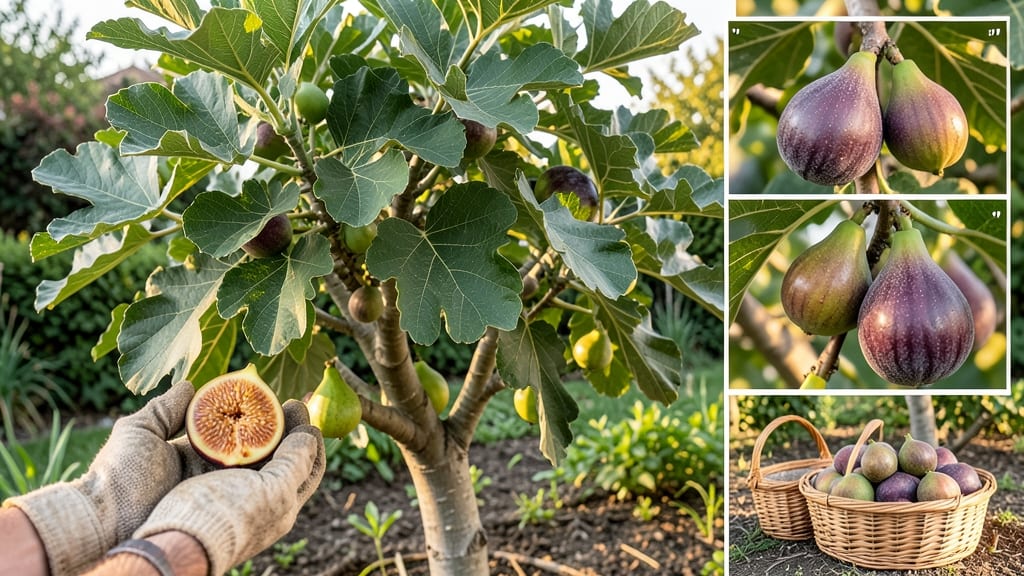
How to know when to pick figs can mean the difference between a sweet, flavorful harvest and a disappointing bite—especially in USDA Zone 6, where timing matters most. 🍇 The moment those plump fruits turn from green to their variety’s signature hue isn’t just about color; it’s about texture, ease of detachment, and even the time of day you harvest.
I’ve spent years watching figs ripen in my own garden, and the 4 simple tests I’ve mastered will help you avoid both under- and over-ripening.
Whether you’re growing Black Mission, Brown Turkey, or another variety, these cues—like a slight give when pressed or a stem that twists free—are your secret to perfect figs every time.
Regional growing differences can shift your harvest window slightly, but the core principles stay the same. From the first signs of ripening in August to the last flush in October, I’ll walk you through exactly what to look (and feel) for so you never miss peak sweetness.
Ready to turn your fig tree into a fruit-producing powerhouse? Let’s dive into the easiest way to tell when your figs are truly ready—and how to harvest them without a hitch.
4 Visual and tactile tests to determine fig ripeness
Figs ripen quickly, so knowing the exact moment to harvest ensures you enjoy their sweetest flavor and peak texture. Unlike many fruits, figs don't ripen well after picking, so timing is everything.
The key lies in observing color changes, skin texture, and how easily they detach from the tree.
Start by examining the skin color of your figs. Most varieties transition from green to their mature hue—whether that's deep purple, brown, or yellow—depending on the type. For example, Black Mission figs turn a rich, dark purple, while Brown Turkey figs develop a warm, brownish tone.
This color shift is your first major clue that ripening is underway.
Here’s where it gets tricky: Some gardeners mistake a fig’s full size for ripeness, but size alone isn’t enough. A ripe fig should also feel slightly soft when gently squeezed, almost like pressing a ripe avocado. If it’s still firm, it needs more time on the tree. Conversely, if it feels mushy or squishy, it’s overripe and past its prime.
Now, let’s talk about the stem test, which is often the most reliable indicator. A perfectly ripe fig will detach easily with a slight twist—no force needed. If the fig resists, it’s not ready yet.
Pay attention to the stem end too: if it’s still green, the fig needs more time. When fully ripe, the stem end will match the fig’s mature color.
🌱 How to Test Fig Ripeness: 4 Key Signs
One common mistake is picking figs based on size alone. A fig can look large but still be underripe if it hasn’t developed its full color or softness. To avoid this, always combine the color test with the texture and detachment tests.
For instance, a Kadota fig might swell to its full size but remain pale green—wait until it turns golden-yellow before harvesting.
Regional climate plays a role too. In hotter, drier climates like Southern California, figs ripen faster and may need harvesting every 2-3 days during peak season. In cooler regions like USDA Zone 7 or 8, ripening slows down, giving you more time to monitor the figs closely.
Always check for ripeness in the morning, as figs can soften quickly in the heat of the day.
If you’re unsure whether a fig is ready, err on the side of caution. Underripe figs won’t improve much off the tree, but overripe figs can become mealy and lose their sweetness.
Pro tip: Harvest a few figs from the same branch and taste-test them. This hands-on approach helps you develop a feel for what “perfectly ripe” means for your specific fig variety.
Finally, keep an eye out for secondary crops. Many fig trees produce a second flush of fruit later in the season, often in late summer or early fall.
These later figs may ripen more slowly, so stay vigilant with your tests. With practice, you’ll become a fig-ripeness expert, ensuring every harvest is a delicious success.
Now that you know how to spot a ripe fig, the next step is harvesting them correctly—without damaging the tree or the fruit. Let’s dive into the best practices for a smooth, stress-free harvest.
4 Visual and tactile tests to determine fig ripeness
Figs ripen quickly, so knowing the exact moment to harvest ensures you enjoy their peak sweetness and optimal texture. Unlike many fruits, figs don’t ripen well off the tree, so timing is everything.
The key lies in observing color changes, texture shifts, and stem detachment—all signals your fig is ready to pick.
Start by examining the skin color, which is the most obvious indicator. Most fig varieties transition from green to their mature hue—whether that’s deep purple (like Black Mission), brown (like Brown Turkey), or yellow (like Kadota).
A fully ripe fig will have no green remnants anywhere on its skin. This color shift happens gradually, so check your figs every 2-3 days during peak season.
- 🟣 Color Test: Skin matches variety’s mature hue (e.g., deep purple, brown, or yellow) with no green.
- 🤏 Texture Test: Skin yields slightly to gentle pressure (like a ripe peach) but isn’t mushy.
- ✂️ Detachment Test: Fig separates easily from the stem with a gentle twist (no cutting needed).
- 🌡️ Temperature Test: Figs ripen faster in warm weather (80°F+), so check daily during heatwaves.
Next, perform the texture test by gently pressing the fig between your thumb and forefinger. A ripe fig will feel slightly soft—almost like pressing a ripe avocado—but it shouldn’t feel mushy or squishy.
Overripe figs break down quickly, so act fast if you notice this stage. Avoid picking figs that are still firm and unyielding, as they’re not ready yet.
One of the most reliable methods is the detachment test. Gently grasp the fig and twist it slightly. If it separates easily from the stem with just a little pressure, it’s ready to harvest. You’ll notice the stem will pull away cleanly, leaving little to no resistance.
This is especially useful for container-grown figs, where branches can be less sturdy. Never forcefully tug—this can damage the tree and the fruit.
Avoid these common mistakes that lead to under- or overripe figs: picking based solely on size (some varieties stay small but ripen fully), waiting until figs fall to the ground (they’ll be overripe and attract pests), or harvesting in direct afternoon sun, which can make them overly soft.
Instead, pick in the morning after the dew dries for the best texture and flavor.
Pro tip: If you’re unsure, pick a few figs and let them ripen indoors. Place them in a paper bag with a banana or apple (the ethylene gas speeds up ripening) and check them daily.
This lets you monitor ripeness without risking over-ripening on the tree. Once you master these tests, you’ll never miss the sweetest figs again!