
How To
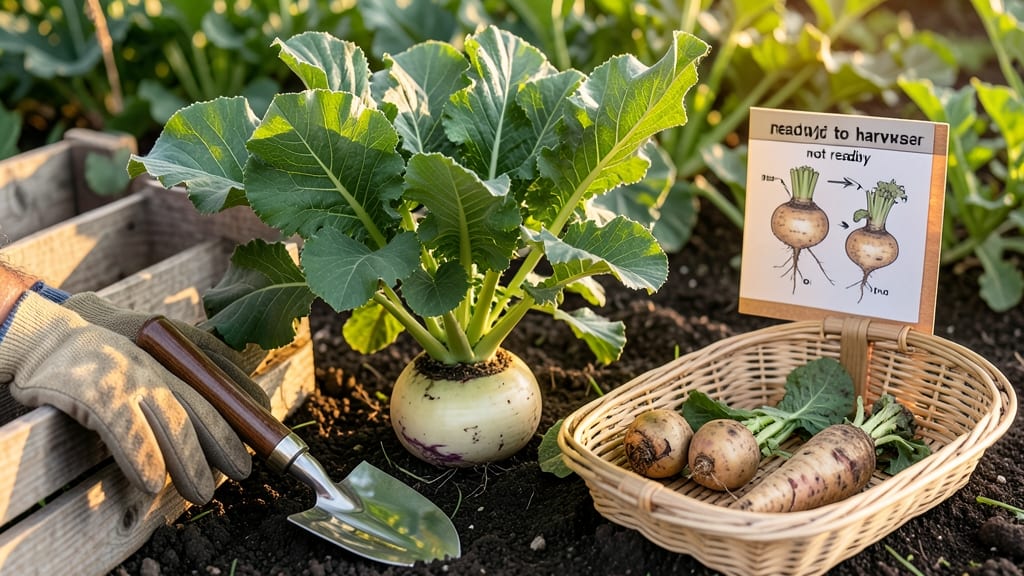
How to know when turnips are ready to harvest can turn a bland meal into a crisp, flavorful feast—or leave you with tough, disappointing roots. The secret lies in checking the right signals at the right time, and I’ll show you exactly what to look for.
Turnips typically mature in 45 days, but timing matters. Too early, and they’re small and underdeveloped; too late, and they become woody. The key is watching for roots that are 1-3 inches in diameter with smooth, firm skin—plus a few other telltale signs.
You’ll also want to pay attention to the leaves, which start yellowing as the turnips reach peak flavor. And here’s a pro tip: a gentle tug on the plant should pull it easily from the soil. If it resists, it’s not ready yet.
Let’s dive into the exact steps to harvest your turnips at their prime, so you’re left with a bounty of delicious, garden-fresh roots every season.
Turnip harvest readiness: knob size, color, and texture guide
Turnips are ready to harvest when they reach the perfect balance of size, color, and texture—typically between 30 to 60 days after planting.
For most varieties, the ideal time is when the root diameter reaches 1 to 3 inches, but this can vary depending on the type (e.g., Tokyo Cross turnips mature faster than Purple Top White Globe).
The key is to act before the turnips become woody or bolt, which happens when they sense warm temperatures or long daylight.
Start checking your turnips about 4 weeks after germination by gently brushing away soil around the base of the plant. Look for a smooth, firm knob that feels solid when pressed. If the skin is tough or fibrous, it’s past its prime.
The leaves also provide clues—healthy green leaves mean the turnip still needs time, while slightly yellowing or wilting leaves signal readiness.
For a visual and tactile reference, here’s what to look for:
| Indicator | Ready Turnip | Not Ready |
|---|---|---|
| Root Size | 1–3 inches in diameter | Less than 1 inch |
| Leaf Color | Slightly yellowing or wilting | Bright green and healthy |
| Skin Texture | Smooth and firm | Tough or fibrous |
| Ease of Pull | Pulls easily with gentle tugging | Resists pulling or breaks |
Pay close attention to the turnip’s knob shape. A perfectly round or slightly oval root is ideal, while elongated or irregular shapes may indicate uneven growth conditions. If the turnip starts to develop a flower stalk (bolting), it’s past its prime and will become bitter and tough.
This is more common in hot weather or if planted too late in the season.
For baby turnips, harvest when the roots are about ½ to 1 inch in diameter. These are milder and sweeter, perfect for salads or quick cooking. Use a small trowel or your fingers to gently loosen the soil before pulling to avoid damaging the root.
Always harvest on a dry, sunny day to allow the turnips to dry slightly before storing, which helps prevent rot.
If you’re growing turnips for their greens, harvest the leaves when they’re young and tender, typically 3 to 4 weeks after planting. The greens can be harvested repeatedly by cutting the outer leaves, leaving the inner growth to continue producing.
This method extends your harvest season and reduces waste.
For storage, leave a 1-inch stem attached to the turnip root and store in a cool, dark place (like a root cellar or refrigerator) for up to 2 weeks.
If the turnips are still firm and free of blemishes after harvest, they’ll keep well. Avoid washing before storage, as moisture speeds up spoilage.
Pro tip: If you’re unsure whether your turnips are ready, do the "finger test". Gently press the root—it should feel firm but not hard. If it feels spongy or hollow, it’s overripe. If it’s still soft, give it another 5 to 7 days before checking again.
Timing your harvest correctly ensures you enjoy crisp, flavorful turnips at their peak. Whether you’re growing them for the root or the greens, these cues will help you avoid the disappointment of a tough, woody turnip—just right for roasting, mashed, or eaten raw in salads.
Turnip harvest readiness: knob size, color, and texture guide
Turnips are ready to harvest when they reach the perfect balance of size, color, and texture. Ideally, you’ll want roots between 1 to 3 inches in diameter.
This ensures they’re tender and flavorful rather than tough or bitter. Smaller turnips (under 1 inch) are still developing, while larger ones may become woody or fibrous.
Pay close attention to the leaf color as a key indicator. Healthy, dark green leaves signal a young plant, but when they start turning yellowish or wilt slightly, it’s time to harvest.
This shift happens naturally as the root matures and diverts energy downward. Ignoring this cue can lead to overripe turnips that bolt or develop tough skins.
Texture is another critical clue. Gently squeeze the turnip’s skin—it should feel smooth and firm, not rough or fibrous. A ready-to-harvest turnip will also pull easily from the soil with a gentle tug. If resistance is strong, the root is likely still growing or has become too large.
| Indicator | Ready Turnip | Not Ready |
|---|---|---|
| Root Size | 1–3 inches | <1 inch |
| Leaf Color | Yellowing or wilted | Dark green |
| Skin Texture | Smooth and firm | Tough or fibrous |
| Ease of Pull | Gentle tug removes | Resistant |
Harvesting turnips too late can also trigger bolting, where the plant sends up a flower stalk. This makes both the root and leaves bitter and inedible. Spring-planted turnips typically reach harvest readiness in 45–60 days, while fall varieties may take slightly longer due to cooler temperatures slowing growth.
For the best flavor, aim to harvest turnips before they exceed 3 inches in diameter. Larger turnips become pithy and less sweet, losing their crisp texture. If you’re unsure, dig up one turnip for a taste test—this is especially useful for heirloom varieties, which can vary in maturity timing.
Once harvested, store turnips in a cool, dark place (like a root cellar) for up to 2 weeks. Their freshness degrades quickly, so prioritize harvesting at peak readiness for the best results. 🥬