
Planting
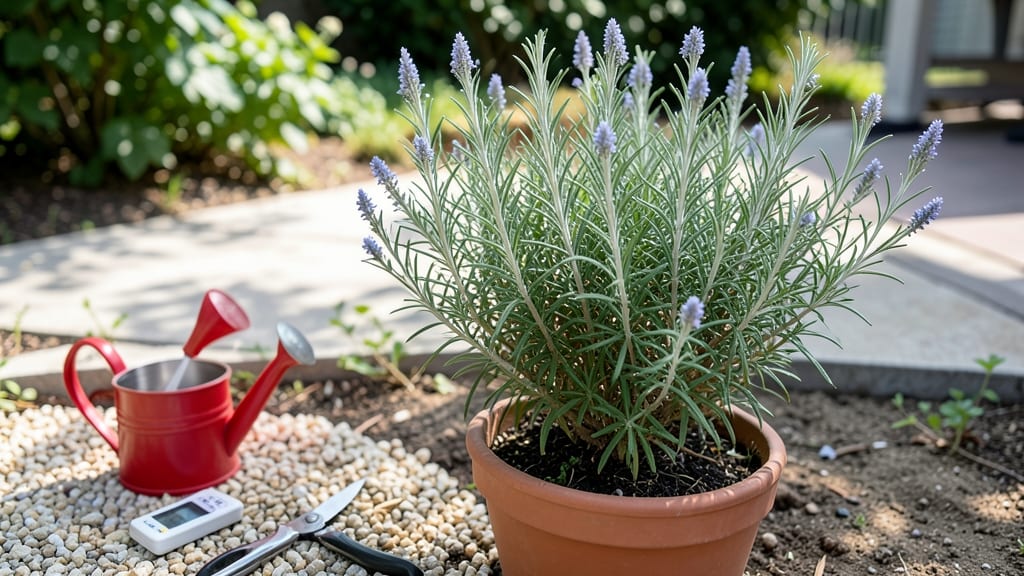
How to maintain the rosemary plant is easier than you think once you unlock its secrets. 🌿 I’ve kept mine lush for years by following just three key rules: sunlight, soil, and smart pruning. The plant rewards you with fragrant needles that taste like summer in every dish. Most people overwater rosemary, turning it crispy in days. The trick is letting the soil dry completely between waterings—then giving it a deep drink. A well-draining pot or sandy soil prevents soggy roots, and you’ll see new growth within weeks. Pruning isn’t just about shaping—it’s about encouraging bushier growth. Snip just above a leaf node in early spring, and your plant will fill out beautifully. The aroma alone makes it worth the effort, but the harvest potential is even sweeter. Works indoors or out, in containers or garden beds. Once you master these basics, rosemary becomes the easiest herb to grow—and the most rewarding.
📚 In This Guide
- What you need
- Instructions
- Tips and common mistakes
- Wrapping up and next steps
What you need
- ● Rosemary plant: Start with a healthy Rosmarinus officinalis (choose a variety like 'Tuscan Blue' or 'Arp' for resilience). Buy a 3-6 inch potted plant or propagate from cuttings.
- ● Well-draining soil: A mix of cactus/succulent soil (50%) and perlite or coarse sand (50%) (about 2-3 gallons for a 1-gallon pot). Avoid garden soil—it retains too much moisture!
- ● Pot with drainage holes: Use a 5-7 inch diameter pot (terracotta or ceramic works best). Ensure it has 3+ drainage holes to prevent root rot.
- ● Sunlight access: A south-facing window (6+ hours of direct sunlight daily) or a grow light (12-14 hours/day if indoors).
- ● Watering can with a narrow spout: For precise watering (avoid overhead spray to prevent fungal issues).
- ● Pruning shears or sharp scissors: Sterilized tools (rubbing alcohol wipe) to trim woody stems and encourage bushiness.
- ● Balanced liquid fertilizer: A 5-5-5 or 10-10-10 NPK fertilizer (diluted to half-strength). Use every 4-6 weeks during growing season (spring-fall).
- ● Mulch: Gravel or pebbles (1 inch layer) to retain soil moisture and prevent weeds (great for outdoor pots!).
- ● Humidity tray: A shallow tray with pebbles and water (place pot on top) to boost humidity for indoor plants.
- ● Slow-release fertilizer granules: Mix 1 tbsp per gallon of soil at planting time for low-maintenance nutrition.
- ● Pest control spray: Neem oil or insecticidal soap (for aphids or spider mites—though rosemary is naturally pest-resistant!).
- ● Support stake: A small bamboo or metal stake if your rosemary grows tall (6+ inches) and needs extra stability.
Step-by-step instructions for maintaining a thriving rosemary plant
Rosemary’s tough but not untouchable—here’s how to keep it lush year-round with just a few simple habits.
☀️ Step 1: Position for Maximum Sunlight
Rosemary craves full sun, at least 6-8 hours daily. If you’re growing outdoors, place it where it gets morning light and afternoon sun—even partial shade makes it grow leggy and sparse. I always check the plant’s orientation weekly and rotate the pot a quarter turn to keep growth even.
Indoor growers, this is your biggest challenge. A south-facing window is ideal, but if that’s not an option, supplement with a grow light for 12-14 hours daily. You’ll know it’s getting enough light when the leaves stay a vibrant green—anything pale or yellow means it’s stretching for more.
💧 Step 2: Water Deeply but Infrequently
Rosemary hates soggy roots, so let the top 2 inches of soil dry out completely between waterings. Stick your finger in the soil—if it feels dry past your first knuckle, it’s time to water. When you do water, soak the soil until it runs out the drainage holes. This encourages deep root growth instead of shallow, thirsty roots.
Overwatering is the #1 killer of rosemary. If the leaves turn yellow or the stems feel mushy, you’ve pushed it too far. I like to water mine in the morning so any excess evaporates by evening, keeping roots healthy. In winter, cut back to watering every 2-3 weeks unless your home is very dry.
✂️ Step 3: Prune for Bushiness and Health
Regular pruning keeps rosemary compact and prevents it from becoming woody. Trim back one-third of the plant’s length in early spring to encourage new growth. Use clean, sharp pruners to cut just above a leaf node—this is where new branches will sprout. Avoid cutting into old, bare stems, as they won’t regrow.
Throughout the year, pinch off any leggy growth or flowers as they appear. While the blooms are pretty, they sap energy from the plant. You’ll notice new side shoots forming within 2-3 weeks of pruning, signaling the plant is responding well. If you’re growing rosemary for cooking, harvest sprigs by cutting just above a leaf node too—this encourages bushier growth.
🌿 Step 4: Fertilize Lightly and Seasonally
Rosemary doesn’t need much fertilizer—too much makes it grow soft and floppy. In early spring, use a balanced, water-soluble fertilizer (like 10-10-10) diluted to half strength. Apply it only when you see new growth starting, usually in late winter or early spring. Over-fertilizing in summer can lead to weak, disease-prone stems.
For organic growers, a light layer of compost around the base in spring works just as well. I skip fertilizer entirely in fall and winter unless the plant looks particularly stressed. Always water the soil thoroughly before and after fertilizing to prevent root burn. If the leaves start turning brown at the tips, you’ve overdone it—flush the soil with water to dilute the excess.
⏰ Step 5: Protect in Winter (If Needed)
If you’re in a zone with freezing temperatures, rosemary needs protection. Move potted plants to a sheltered spot, like a garage or under an eave, where temps stay above 20°F. If you’re growing it in the ground, mulch heavily around the base with 2-3 inches of straw or wood chips to insulate the roots.
Even in mild winters, rosemary slows down and may drop some leaves—this is normal. Reduce watering to once every 3-4 weeks unless your home is very dry. Prune lightly in late winter to remove any dead or damaged stems, which helps the plant focus energy on new growth as temperatures rise. With proper care, it’ll bounce back stronger than ever by spring.
Tips & tricks for perfect rosemary care
Keeping rosemary thriving takes less effort than you think—these simple tricks will help you avoid common pitfalls and keep your plant lush all year.
Lighting Strategy: If your rosemary starts stretching toward the window (a sign of insufficient light), it's time to upgrade. Place it within 12 inches of the glass for maximum sun exposure, or invest in a LED grow light on a timer for 12-14 hours daily. I've seen rosemary recover from leggy growth in just 2-3 weeks with proper light adjustments—just don't expect miracles overnight.
Watering Wisdom: The "finger test" is your best friend here. Push your finger 2 inches deep into the soil—if it feels completely dry, water thoroughly until it drains from the bottom. In winter, I reduce watering to every 2-3 weeks unless my home feels particularly dry, which prevents root rot while keeping the plant hydrated enough to survive dormancy.
Pruning Payoff: When you trim back one-third of the plant in early spring, make your cuts at a 45-degree angle just above a leaf node. This simple technique encourages bushier growth and prevents the plant from becoming woody. I always prune after a rain shower when the soil is moist—it helps the plant recover faster.
Fertilizer Finesse: If you notice brown tips after fertilizing, you've likely overdone it. To fix this, water the soil with double the usual amount to flush out excess salts. For organic options, a light compost top-dressing in spring works just as well as chemical fertilizers without the risk of burning the roots.
Pro Tips for Maintain Rosemary Plant
- Keeping rosemary thriving takes less effort than you think—these simple tricks will help you avoid common pitfalls and keep your plant lush all year.
- Lighting Strategy: If your rosemary starts stretching toward the window (a sign of insufficient light), it's time to upgrade.
- Watering Wisdom: The "finger test" is your best friend here.
Frequently asked questions
Got questions about keeping your rosemary plant happy and healthy? You’re not alone! Here are answers to the most common concerns—plus a few pro tips to keep your herb thriving with minimal fuss.
How often should I water my rosemary plant?
Rosemary is drought-tolerant, so water it only when the top 1–2 inches of soil feel dry—usually every 1–2 weeks (less in winter). Overwatering is the #1 killer! Let the soil dry out completely between waterings to prevent root rot. Pro tip: Stick your finger in the soil before watering—if it’s damp, wait!
Can rosemary survive winter outdoors?
Most rosemary varieties (like Rosmarinus officinalis) are hardy to USDA Zones 7–10. In colder climates (Zones 6 or below), move potted plants indoors near a sunny window or mulch heavily if planted in the ground. If frost hits, cover young plants with burlap or a frost cloth to protect tender growth.
Why is my rosemary turning brown or crispy?
Brown, dry tips usually mean too much sun, underwatering, or low humidity. Move your plant to partial shade (especially in hot afternoons) and check soil moisture. If leaves are yellowing, it might be overwatering or poor drainage. Trim dead tips to encourage new growth!
Can I grow rosemary indoors year-round?
Place your rosemary near a south- or west-facing window (6+ hours of sunlight daily) or use a grow light. Use well-draining soil (like a cactus/succulent mix) and a pot with drainage holes. Prune regularly to keep it bushy, and fertilize lightly once a month in spring/summer.
How do I propagate rosemary from cuttings?
Snip a 4–6 inch healthy stem, remove lower leaves, and dip the cut end in rooting hormone (optional). Plant in moist, well-draining soil and keep it warm (70–75°F) with bright, indirect light. Roots should form in 2–4 weeks. Water lightly until established—avoid soggy soil!
Wrapping up and next steps
Growing a thriving rosemary plant is simpler than you think—just a little sunlight, well-draining soil, and occasional TLC!
By following these tips, you’ll enjoy fragrant foliage and bountiful harvests year after year. Now’s the perfect time to put your knowledge into action: grab those pruning shears, give your rosemary a little love, and watch it flourish! 🌿✨
Ready to take it further? Experiment with propagation or try growing rosemary in containers for a compact, portable herb garden. Happy gardening!