
Pruning
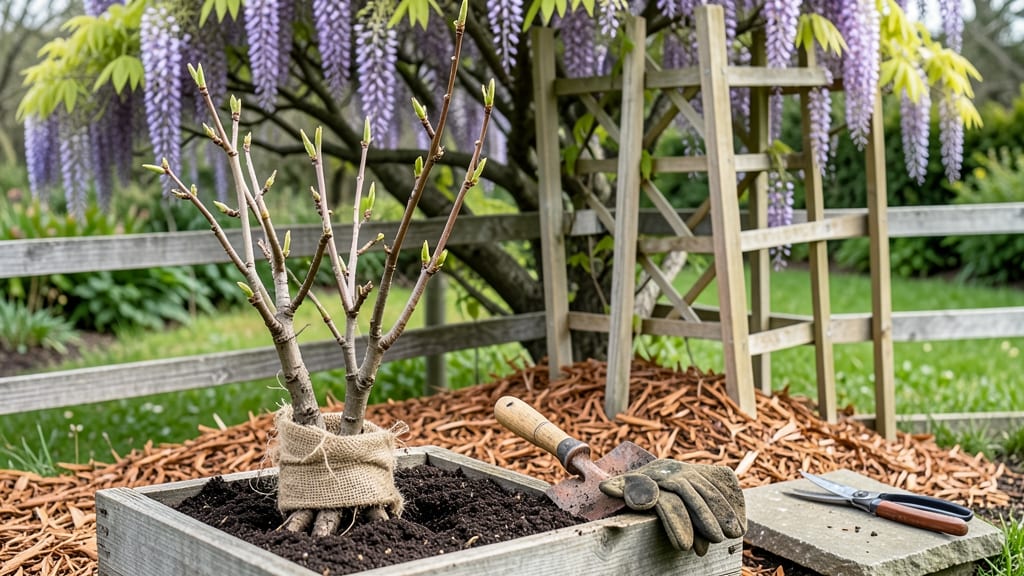
How to make a wisteria tree bloom like a dreamy purple cloud takes patience, precision, and a few pruning secrets. 🌸 I’ve wrestled with tangled vines and missed blooms, and now I know the exact steps to turn a leggy mess into a healthy, flowering showstopper. The secret isn’t just cutting—it’s timing, technique, and understanding how this vine really grows.
Start with the right variety (American or Chinese wisteria) and a sturdy trellis or arbor—this vine can weigh 50+ pounds when in bloom. Plant in full sun with well-draining soil, and water deeply once a week the first year.
Most people rush the pruning, but the real magic happens in late winter when the plant is dormant. Cut back 1/3 of last year’s growth to encourage new, flowering branches.
By summer, you’ll see lush green growth and—if you’ve pruned correctly—those first delicate blooms forming. The key is consistency: prune again in early spring to shape the plant and remove dead wood.
With this method, your wisteria won’t just survive—it’ll thrive, covering your trellis in fragrant, cascading flowers year after year.
Works for both container-grown wisteria and in-ground plantings, though larger varieties need space to stretch. Fair warning: this vine grows fast, so plan your pruning sessions (and your trellis size) accordingly. Let’s get those blooms happening!
📚 In This Guide
- What you need
- Instructions
- Tips and common mistakes
- Wrapping up and next steps
What you need
- ● Wisteria plant: Choose between Japanese (Wisteria floribunda) or Chinese (Wisteria sinensis) varieties. Buy a 1-3 year-old sapling from a trusted nursery.
- ● Pruning shears: Bypass pruners (for clean cuts) or felco pruners (for heavy branches). Ensure they’re sharp and sanitized.
- ● Loppers: For thicker branches (up to 2 inches in diameter). Look for ratcheting or bypass-style models.
- ● Pruning saw: Heavy-duty bow saw for branches over 2 inches thick.
- ● Gloves: Heavy-duty gardening gloves (wisteria thorns are sharp!).
- ● Disinfectant: 70% isopropyl alcohol or rubbing alcohol to sterilize tools between cuts.
- ● Support structure: Arbor, trellis, or pergola (for climbing varieties). Aim for 6-10 feet tall with horizontal crossbars.
- ● Strong stakes or a fence (if training against a vertical surface).
- ● Mulch: 3-4 inches of organic mulch (wood chips, straw, or shredded bark) to retain moisture.
- ● Fertilizer: Balanced fertilizer (10-10-10) for new plantings.
- ● Slow-release granular fertilizer (e.g., 13-4-5) for established trees.
- ● Pruning sealant: Tree wound paint (controversial but useful for large cuts to prevent disease).
- ● Tie-downs: Soft plant ties or Velcro straps to secure young vines to supports.
- ● Hose with nozzle: For post-pruning cleanup and watering.
- ● Grafting tools: If you’re grafting a new wisteria variety onto an existing rootstock.
- ● Pruning guide: A measuring tape or pruning ruler for precise cuts.
Step-by-Step instructions for cultivating a wisteria tree
Transforming a wisteria vine into a stunning tree form takes patience and precision—but the results are worth every careful cut.
🌱 Step 1: Select and Prepare the Right Vine
Start with a mature wisteria vine that’s at least 3-5 years old and has established roots. Younger vines won’t have the structural strength to support a tree form. Look for a healthy specimen with multiple strong stems—each will become a trunk. I’ve found that American wisteria (Wisteria frutescens) handles this transformation better than its Japanese cousin due to its slightly more flexible growth habit.
Dig around the base of the vine to expose the main roots. Gently untangle any tangled stems and separate them into 4-6 individual trunks, spacing them 6-8 inches apart in a circular pattern. This creates the foundation for your tree’s layered structure. Use a sharp pruning shears to trim any damaged or crossing stems—this ensures clean growth and prevents future congestion.
✂️ Step 2: Train the Trunks and Prune Aggressively
Once your trunks are spaced, tie each one to a sturdy 4-6 foot tall stake using soft garden twine. This gives the stems support as they grow upward. Here’s the key: prune the tops of all trunks back by ⅔ immediately. This might seem drastic, but it forces the plant to put energy into thickening the trunks rather than climbing. You’ll see new shoots emerge from the sides—these are your future branches.
Over the next 2-3 years, continue pruning any vertical growth that exceeds 12 inches in height. The goal is to encourage horizontal branching. I like to leave 2-3 strong lateral branches per trunk, pruning them back to 4-6 inches each spring. This creates that classic wisteria tree silhouette. Avoid letting any branch grow longer than 2 feet—longer limbs will sag under the weight of flowers.
☀️ Step 3: Maintain Light and Nutrients for Optimal Growth
Wisteria trees need full sun (6-8 hours daily) to produce abundant blooms, but they also appreciate afternoon shade in hot climates. Plant your tree in a location where it gets morning sun and afternoon dappled light if temperatures regularly exceed 85°F. The roots should be in well-draining soil—amend heavy clay with compost and coarse sand to prevent root rot.
Feed your wisteria tree twice annually: once in early spring with a balanced 10-10-10 fertilizer and again in early summer with a low-phosphorus, high-potassium fertilizer (5-10-10) to encourage flowering. Water deeply once weekly during the first growing season, ensuring the soil stays 2-3 inches moist but never waterlogged. Mulch the base with 2-3 inches of organic mulch to retain moisture and regulate soil temperature.
⏰ Step 4: Annual Pruning for Shape and Bloom Control
The most critical pruning happens in late winter or early spring, just as new buds begin to swell. Remove all dead, diseased, or weak wood first—this keeps the tree healthy. Then, prune back any branches that grew longer than 2 feet the previous year to 4-6 inches from the trunk. This might seem harsh, but it’s what creates those cascading flower clusters.
Here’s where it gets fun: prune the tips of all branches after they’ve finished flowering in late spring. This encourages the plant to produce more side shoots, which will bloom even more heavily next year. I also thin out any crowded branches—never let more than 3-4 branches per trunk compete for space. The result? A tree that looks like it’s been meticulously sculpted by a master gardener.
🌿 Step 5: Support and Protect for Long-Term Health
As your wisteria tree matures, the weight of the flowers can cause branches to droop or even snap. Install 3-4 sturdy metal tree supports around the base, positioning them 12-18 inches from the trunk to distribute the weight. Use soft tree ties to secure branches to the supports—never use wire, which can girdle the bark over time.
Watch for wisteria aphids and Japanese beetles, which love to feast on new growth. Spray infested areas with neem oil in early summer, and repeat every 2-3 weeks if needed. In colder climates, wrap young trees with burlap during winter to protect them from freeze damage, especially if temperatures dip below 15°F. With consistent care, your wisteria tree will reward you with 10-15 years of stunning spring blooms.
Tips & tricks for cultivating a stunning wisteria tree
These pruning secrets will help you transform a vine into a thriving, long-lasting wisteria tree with minimal stress and maximum beauty.
Vine Selection Matters: When choosing your American wisteria (Wisteria frutescens), look for vines with multiple stems—each will become a trunk. Avoid vines with signs of disease or pest damage, as these issues can persist even after transformation. The 3-5 year age requirement isn't arbitrary: younger vines lack the structural integrity to support the tree form. I've seen gardeners rush this step and end up with weak, floppy trunks that never develop properly.
Pruning Precision: The ⅔ pruning of trunk tops in Step 2 might seem extreme, but it's what creates those thick, sturdy trunks. Use sharp pruning shears to make clean cuts just above a leaf node or bud. This forces the plant's energy into thickening the remaining stem rather than vertical growth. I recommend marking your cuts with a piece of chalk before making them—this helps visualize the final structure. Remember, those 6-8 inch trunk spacings should remain consistent throughout the process.
Seasonal Timing is Critical: The late winter/early spring pruning window in Step 4 is non-negotiable—this is when the tree is just waking up but hasn't yet sent out new growth. Pruning too early can damage dormant buds, while waiting too long risks removing next year's flowers. For the late spring tip pruning, wait until after flowering is complete but before new buds form. I've found that pruning immediately after flowers fade gives the best results for next year's blooms.
Support System Strategy: When installing your 3-4 metal tree supports, position them at slightly different angles to create a natural-looking structure. Use soft tree ties that won't cut into the bark as the tree grows. I've seen many gardeners use wire or zip ties, which can girdle the bark over time. The 12-18 inch distance from the trunk allows for proper growth while still providing adequate support. Consider adding a fifth support on the opposite side if your tree is particularly vigorous.
Pro Tips for Make A Wisteria Tree
- These pruning secrets will help you transform a vine into a thriving, long-lasting wisteria tree with minimal stress and maximum beauty.
- Vine Selection Matters: When choosing your American wisteria (Wisteria frutescens), look for vines with multiple stems—each will become a trunk.
- Pruning Precision: The ⅔ pruning of trunk tops in Step 2 might seem extreme, but it's what creates those thick, sturdy trunks.
Frequently asked questions
Got questions about growing and pruning your wisteria tree? You’re not alone! Here are some of the most common concerns—and their solutions—to help you cultivate a stunning, long-lasting wisteria vine.
How long does it take for a wisteria tree to bloom after planting?
A newly planted wisteria may take 2–5 years to produce its first flowers, depending on the variety and growing conditions. Patience is key! Young vines focus on root and vine growth before blooming. Pro tip: Ensure full sun (6+ hours/day) and well-draining soil to speed up the process.
When is the best time to prune wisteria for maximum blooms?
Prune wisteria right after flowering (late spring/early summer) to encourage next year’s blooms. Avoid heavy pruning in fall or winter, as this can remove next year’s flower buds. Warning: Never prune in late summer—this cuts off new growth needed for winter hardiness.
Can I grow wisteria in a pot, or does it need to be planted in the ground?
Wisteria thrives in the ground but can grow in pots for 3–5 years if given enough space (15+ gallon container). Use a fast-draining mix with compost and repot every 2–3 years. Caution: Pots dry out faster—water deeply 2–3x/week in summer. Expect slower growth and fewer blooms than in-ground plants.
Why isn’t my wisteria blooming, even after years of growth?
Common culprits include over-pruning (cutting back too late), poor sunlight (needs 6+ hours/day), or lack of nutrients. Check for dead or leggy growth—this signals over-pruning. Feed with balanced fertilizer (10-10-10) in early spring and ensure it’s not shaded by taller plants.
How do I train wisteria to grow on a tree vs. a trellis or fence?
For a tree-like structure, select a sturdy trunk (like a young oak or honeylocust) and graft wisteria onto it (or plant nearby and weave vines onto the tree). Use soft ties to guide growth upward. For trellises/fences, spiral or fan-train vines with twine or clips, pruning aggressively to shape. Remember: Wisteria grows 10–15 feet/year—regular pruning is a must!
Is wisteria frost-sensitive? How do I protect it in winter?
Most wisteria varieties tolerate USDA Zones 5–9, but young plants or late blooms may need protection. Mulch heavily (4–6 inches) around the base and wrap the trunk with burlap or frost cloth in extreme cold (<10°F). Avoid pruning in late winter—new growth is frost-prone. Bonus: Evergreen varieties (like Wisteria sinensis) handle cold better than deciduous types.
Wrapping up and next steps
Growing a stunning wisteria tree is all about patience, precision, and a little love!
By mastering the right pruning techniques—like timing cuts, shaping for airflow, and encouraging strong branches—you’ll unlock those breathtaking cascades of blooms year after year. 🌸 Remember, consistency is key, and soon your garden will reward you with fragrant, vibrant beauty.
Ready to take the next step? Start small—whether it’s pruning your first branch or sharing your newfound skills with fellow gardening enthusiasts. Your wisteria will thank you with lush, healthy growth and show-stopping flowers! 🌿