
How To
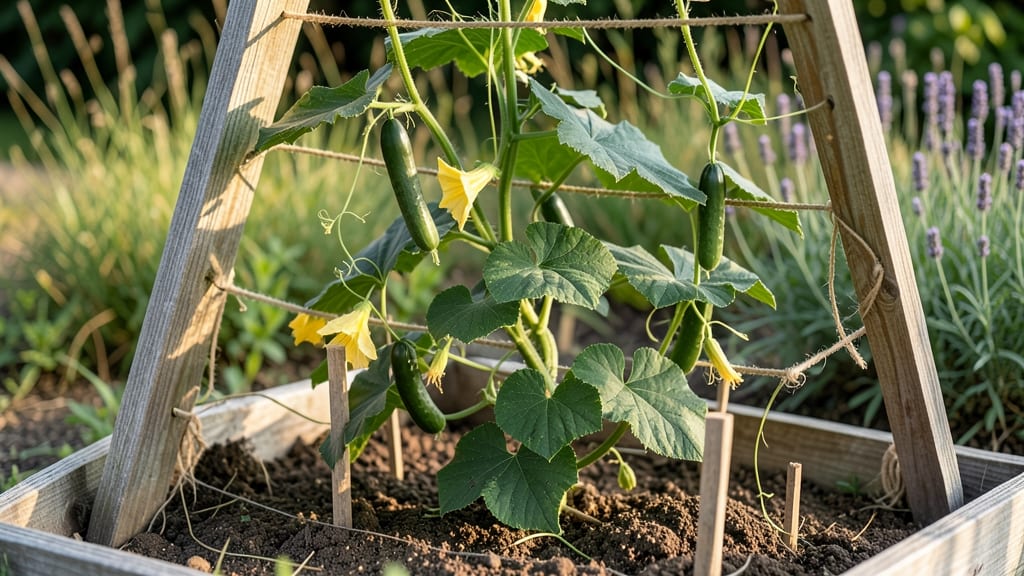
Cucumbers taking over your garden? ✨ There’s a better way—train them to climb and watch your harvest explode while saving space. I’ve turned my sprawling vines into neat, productive vertical gardens, and the difference is night and day.
You’ll need a sturdy trellis (A-frame, netting, or even a simple fence) and a few basic tools—nothing fancy. The key is starting vines early near the support so they latch on quickly.
Prune aggressively to encourage upward growth, and you’ll end up with cucumbers hanging where they belong, not sprawling everywhere.
By mid-summer, you’ll have cucumbers within easy reach, fewer pests, and better air circulation that keeps fruit from rotting. The trellis hack works in containers, raised beds, or in-ground gardens—just adjust the support size to your space.
Common mistakes? Overcrowding vines or using flimsy supports. I learned that the hard way—now my cucumbers climb like pros, and so will yours. Let’s get those vines growing upward!
📚 In This Guide
- What you need
- Instructions
- Tips and common mistakes
- Wrapping up and next steps
What you need
- ● Cucumber plants: 2–4 healthy seedlings or seeds (choose a vining variety like 'Straight Eight' or 'Marketmore' for best results).
- ● Trellis or climbing structure: DIY option: 3–5 sturdy wooden stakes (2–3 inches in diameter, 6–8 feet tall) or a pvc pipe trellis (1-inch diameter pipes, 6–7 feet long).
- ● Store-bought: A blank">freestanding tomato cage (5–6 feet tall) or a blank">metal A-frame trellis (adjustable height).
- ● Twine or plant ties: 10–15 feet of jute twine (1/8-inch thickness) or soft plant clips (reusable, eco-friendly).
- ● Potting mix or garden soil: 1–2 bags of well-draining, nutrient-rich soil (add compost for extra fertility!).
- ● Container or garden bed: For containers: A 5-gallon pot or larger (minimum 12 inches deep) with drainage holes.
- ● For in-ground: A sunny spot with at least 6 hours of light daily.
- ● Watering can or hose: With a gentle spray nozzle to avoid damaging vines.
- ● Fertilizer: A balanced organic fertilizer (10-10-10) or compost tea to boost growth.
- ● Mulch: Straw or shredded leaves to retain moisture and suppress weeds.
- ● Pruning shears: For trimming yellow or overcrowded leaves (sterilized with rubbing alcohol).
- ● Shade cloth: Lightweight fabric (30–50% coverage) for hot climates to prevent sunburn.
- ● Garden gloves: To keep your hands clean while handling vines.
Step-by-Step instructions for training cucumbers vertically
Here's the foolproof method I use to turn sprawling vines into tidy, high-yielding vertical gardens.
🪴 Step 1: Install a Sturdy Trellis System
Set up your trellis before planting to avoid disturbing roots later. I prefer 6-foot tall A-frame trellises made from 1-inch diameter PVC pipes or sturdy wooden stakes connected with ½-inch mesh netting—this gives cucumbers plenty of support without blocking airflow. Space the trellis 3 feet from the cucumber plants so vines can easily reach it without stretching.
For smaller spaces, 4-foot tall trellises work well with bush-type cucumbers. Drive stakes 12 inches deep into the soil for stability, especially in windy areas. The trellis should lean slightly away from prevailing winds—this prevents vines from snapping under heavy fruit loads. I like to add zip ties or soft plant clips at 1-foot intervals along the trellis to secure the vines as they grow.
🌱 Step 2: Plant Cucumbers Near the Trellis
Sow seeds or transplant cucumbers 12-18 inches away from the trellis base, ensuring the strongest vine faces the structure. I always plant 4-5 seeds per hill (thinning to 2-3 plants later) because cucumbers are finicky about competition. Use well-draining soil mixed with compost—cucumbers hate soggy roots, which leads to rot and poor climbing.
Water deeply right after planting to settle the soil around roots, but avoid overwatering. The goal is moist but not waterlogged soil—you'll know it's right when excess water drains through in 10-15 minutes. Mulch with straw or shredded leaves to retain moisture and prevent weeds from stealing nutrients.
☀️ Step 3: Train Vines as They Grow
Once vines reach 6 inches tall, gently guide the main stem toward the trellis and secure it with a soft plant tie or zip tie. Avoid metal clips—they can cut into tender vines. I like to weave the main vine up the trellis in a spiral pattern, which distributes weight evenly and encourages lateral branches to form.
When lateral vines grow 4-6 inches long, tie them horizontally to the trellis mesh. This creates a fan-like structure that maximizes sunlight exposure and air circulation—critical for preventing fungal diseases like powdery mildew. Prune any vines growing away from the trellis to focus energy on upward growth. You'll see stronger, thicker vines within 2 weeks of consistent training.
💧 Step 4: Maintain Water and Support Through Harvest
Water at the base of the plant in the morning to keep vines hydrated without wetting leaves (which spreads disease). Aim for 1-1.5 inches of water per week, adjusting for heat—cucumbers wilt fast in 85°F+ temperatures. I use a soaker hose to deliver water slowly, reducing evaporation and runoff.
As fruit develops, add extra support with additional ties—heavy cucumbers can snap vines if left unsupported. Harvest when cucumbers reach 6-8 inches long (or your preferred size) to encourage continuous production. I check the trellis every 2-3 days during peak season—overripe cucumbers turn bitter and attract pests.
✂️ Step 5: Prune and Clean Up After Harvest
Once the growing season winds down, prune vines back to 6 inches tall to reduce overwintering pests. Remove any yellowed or diseased leaves immediately—these harbor pathogens that survive in soil. I compost healthy vines (except diseased ones) to return nutrients to the garden next year.
Store trellis materials in a dry place and clean them with a 10% bleach solution before reuse. This prevents mold and bacteria buildup. With proper care, the same trellis system will support 3-4 years of bountiful cucumber harvests—saving space and boosting yields every time.
Tips & tricks for perfect vertical cucumber growth
These game-changing techniques will transform your sprawling cucumber plants into a tidy, high-yielding vertical garden—no more tangled vines or wasted space.
Trellis Stability is Non-Negotiable: The 12-inch deep stakes and 15-20 pound weight capacity in Step 1 aren't just suggestions—they're essential. I've seen trellises collapse under 5-foot-tall vines loaded with fruit. For extra security, add a crossbeam between the two main stakes of your A-frame trellis. This prevents leaning, especially in windy conditions. Trust me on this: A wobbly trellis means lost harvests.
Tie at the Right Angle: When securing vines in Step 2, that 45-degree angle isn't arbitrary—it's physics. A gentler angle lets the vine grow upward while still allowing lateral branches to develop. I use old T-shirts cut into strips for ties because they stretch as the vine thickens without strangling it. Pro tip: Make your first tie just above a leaf node (the bump where leaves attach) to encourage upward growth from that point.
Watering Strategy for Vertical Plants: The 1-2 inches weekly guideline in Step 3 applies, but vertical cucumbers need more frequent attention. I water mine every other morning in hot weather because the elevated vines lose moisture faster than ground plants. The key is deep watering at the base—never overhead. I've found that adding 2 inches of coarse sand to the mulch helps prevent compaction around the roots, which improves water absorption.
Fruit Thinning Secret: When you're thinning to 6-8 inches apart in Step 4, look for the largest, straightest cucumbers on each branch. These will yield the most fruit with the least strain on the vine. I also remove any cucumbers growing toward the center of the trellis—they'll block sunlight from reaching other vines. This might seem wasteful, but it prevents overcrowding and ensures every remaining cucumber gets optimal sunlight and air circulation.
Pro Tips for Make Cucumbers Climb
- These game-changing techniques will transform your sprawling cucumber plants into a tidy, high-yielding vertical garden—no more tangled vines or wasted space.
- Trellis Stability is Non-Negotiable: The 12-inch deep stakes and 15-20 pound weight capacity in Step 1 aren't just suggestions—they're essential.
- Tie at the Right Angle: When securing vines in Step 2, that 45-degree angle isn't arbitrary—it's physics.
Frequently asked questions
Got questions about growing cucumbers vertically?
You’re not alone! Here are answers to the most common ones to help you master the climbing cucumber game.
How soon after planting can I add a trellis?
Wait until your cucumber seedlings have 3-4 true leaves (about 1-2 weeks after sprouting) before setting up a trellis. This gives roots time to establish while still encouraging upward growth. If you’re direct-sowing, install the trellis as soon as vines reach 6-12 inches tall—they’ll latch on fast!
What if my cucumbers refuse to climb?
No stress! Some varieties (like Lemon Cucumbers) are less eager climbers. Try these fixes:
- Gently weave vines around the trellis with soft twine.
- Use soft ties (not wire!) to guide stubborn stems upward.
- Prune lower leaves to reduce weight and encourage upward energy.
How long does it take for cucumbers to climb a trellis?
Most cucumbers will start climbing within 1-2 weeks of trellis installation, but full coverage takes 4-6 weeks. Vines grow 6-12 inches per day in ideal conditions (warmth + consistent water). Patience pays off—climbing cucumbers yield earlier and more abundantly than ground-huggers!
Can I reuse a trellis from last year?
Clean and disinfect wooden or metal trellises with a 10% bleach solution to kill pests/diseases. For bamboo or plastic, a vinegar rinse works. Just ensure it’s sturdy and upright—no wobbly relics! Pro tip: Store trellises in a dry place to prevent mold or warping.
What’s the best alternative if I don’t have a trellis?
No trellis? No problem! Try these space-saving hacks:
- Cattle panels: Bend a 4-foot panel into a teepee for instant vertical support.
- Tomato cages: Repurpose them (though they’re smaller—best for dwarf varieties).
- PVC pipes: Cut and stack with zip ties for a DIY ladder trellis.
- String method: Stretch floating row covers or twine between posts in a teepee shape.
Wrapping up and next steps
Transforming your garden into a vertical cucumber paradise is easier—and more rewarding—than you think! With the right trellis, a little patience, and these simple steps, you’ll soon enjoy space-saving, high-yield harvests that’ll make your neighbors green with envy. 🌱
Ready to put your new skills to work? Start by planting your cucumbers this season, then watch them thrive as they climb toward the sun. For extra inspiration, explore creative trellis designs or share your progress with fellow gardeners—you’ve got this! 🌟