
Neem Oil
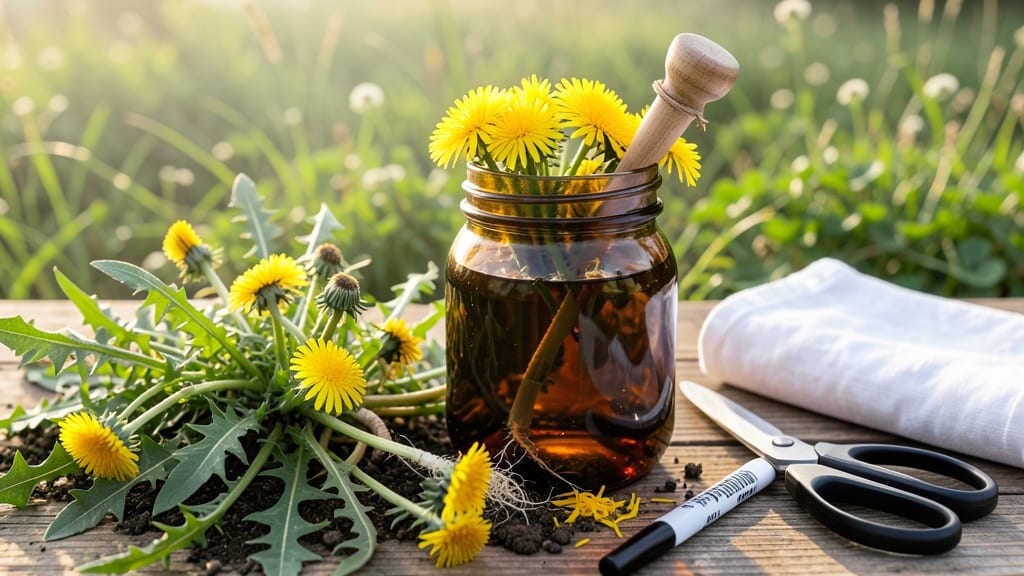
Dandelions aren’t weeds—they’re golden treasure. 🌼 Every spring, I harvest them from my yard to make infused oil that transforms both my skincare routine and salad dressings into something extraordinary. The process turns common garden "pests" into a versatile, nourishing elixir that costs pennies to make.
Start with fresh, pesticide-free petals—never the whole flower—and dry them thoroughly to preserve their vibrant color and medicinal properties. Skip the store-bought oils; olive or avocado oil infused at home keeps the flavor rich and the texture perfect for both culinary and topical uses.
One batch yields enough for 4-6 weeks of skincare treatments or dressings, depending on how you use it. You’ll end up with a fragrant, golden oil that soothes skin irritation, adds a delicate floral note to meals, and even extends the shelf life of homemade preserves.
The key is patience—the infusion takes 2-4 weeks, but the results are worth every day of waiting for those petals to release their goodness. This method works year-round with stored dried petals, making it perfect for urban gardeners, homesteaders, or anyone tired of buying pricey specialty oils.
Let’s turn those dandelions into something truly special!
📚 In This Guide
- What you need
- Instructions
- Tips and common mistakes
- Wrapping up and next steps
What you need
- ● Fresh dandelion flowers: 1 cup (packed tightly, about 10–15 flower heads). Choose organic if possible, and avoid roadsides to skip pesticides.
- ● High-quality carrier oil: 1 cup (8 oz or ~240 mL). Best options: Extra-virgin olive oil (rich, stable, great for skin)
- ● Avocado oil (lightweight, absorbs well)
- ● Sunflower oil (neutral, budget-friendly)
- ● Clean, dry glass jar: 16 oz (or larger) with a tight-fitting lid (mason jars work perfectly!).
- ● Fine-mesh strainer or cheesecloth: For filtering the infused oil.
- ● Dark glass bottles: Small amber or cobalt bottles (4 oz each) for storage (preserves freshness and blocks light).
- ○ Kitchen scale (optional but helpful): For precise measurements, especially if scaling up.
- ● Wooden spoon or spatula: For gently stirring the mixture.
- ● Dark, warm space: A spot away from direct sunlight (e.g., a pantry or cabinet) for infusion (ideally 60–70°F).
- ● Patience: 2–4 weeks for optimal potency!
- ○ Essential oils (optional): 5–10 drops (e.g., lavender or chamomile) for added aroma or therapeutic benefits.
- ○ Vitamin E oil (optional): 1 tsp as a natural preservative (extends shelf life by 1–2 months).
- ● Labeling supplies: Stickers or markers to label your creations (e.g., “Dandelion Skin Oil” or “Salad Infusion”).
Step-by-step instructions for making dandelion infused oil
Here's the method I've perfected for extracting the golden, nutrient-rich essence of dandelions into a versatile oil.
🌱 Step 1: Harvest and Prepare Fresh Dandelion Flowers
Pick dandelion flowers when fully open and dry—usually mid-morning after dew has evaporated. I use a pair of clean scissors to snip the flower heads just above the green receptacle. Avoid flowers near roads or chemically treated lawns; their oils will carry contaminants.
Rinse the flowers gently under cool water to remove dirt or insects, then pat them completely dry with paper towels. Any moisture left behind will encourage mold during infusion. Spread the flowers on a clean kitchen towel in a single layer and let them air-dry for 1-2 hours until completely crisp. This ensures a longer shelf life for your finished oil.
💧 Step 2: Choose and Heat Your Carrier Oil
For this recipe, I recommend 1 cup of high-quality olive oil—its mild flavor complements the dandelion's earthy notes without overpowering them. Place the oil in a small saucepan over low heat and warm it to 120°F, just until it begins to shimmer. This step removes any moisture and activates the oil's natural preservative properties.
Let the oil cool to room temperature before proceeding. If you're using a different carrier oil like avocado or sunflower, follow the same heating process but monitor closely—some oils have lower smoke points and can spoil if overheated. The oil should feel warm to the touch but not hot.
🌿 Step 3: Infuse the Flowers Using the Double Boiler Method
Fill a heatproof bowl large enough to hold your saucepan with 2 inches of water and bring it to a gentle simmer. Place your bowl of warm oil on top, ensuring the bottom doesn't touch the water. Add the dried dandelion flowers, packing them snugly but not compressing them. Cover the bowl loosely with a clean cloth or parchment paper to keep out dust while allowing steam to escape.
Infuse the mixture for 2-3 hours, stirring gently every 30 minutes with a wooden spoon. This prevents the flowers from sticking and ensures even extraction. You'll know it's working when the oil takes on a faint golden hue and a subtle floral aroma. Remove from heat immediately if the oil smells overly bitter—this indicates overheating.
⏰ Step 4: Strain and Store the Finished Oil
Line a fine-mesh strainer with a clean cheesecloth or coffee filter, then carefully pour the infused oil through it into a sterilized glass jar. Press the flowers gently with a wooden spoon to extract every last drop, but avoid squeezing—the moisture can cause the oil to spoil. Discard the used flowers or compost them.
Seal the jar tightly and store it in a cool, dark place (like a pantry) for up to 3 months. For longer storage, refrigerate and use within 6 months. The oil will develop a deeper golden color and richer flavor over time, but if it smells rancid or develops mold, discard it immediately.
🌿 Step 5: Test and Use Your Dandelion Infused Oil
Start with small amounts to test the flavor—drizzle 1 teaspoon over salads, soups, or roasted vegetables. The oil has a delicate, slightly bitter taste that pairs beautifully with greens, grains, and creamy dishes. For skincare, mix 1 tablespoon with a carrier oil like jojoba or almond oil for a soothing facial treatment.
Here's the thing—this oil is incredibly versatile. Use it as a finishing oil for dishes, a base for homemade salad dressings, or even as a natural preservative for homemade cheeses. Just remember: never heat the oil past 200°F once infused, as high temperatures can destroy its delicate nutrients and flavors.
Tips & tricks for perfect dandelion infused oil
Here's what nobody tells you about making this golden elixir—details that elevate it from good to extraordinary.
Harvesting Matters: For the best flavor and potency, harvest dandelion petals on a sunny morning after the dew has dried. Avoid roadsides—look for petals from organic gardens or pesticide-free fields. The fresher the petals, the more vibrant the golden hue and the richer the flavor profile. I always rinse them gently in cold water and pat them completely dry before using, as any moisture can dilute the infusion.
Oil Selection is Critical: Use a high-quality, neutral oil with a high smoke point like refined avocado oil or light olive oil—these won't overpower the delicate dandelion flavor. Avoid extra virgin olive oil, as its strong taste can compete with the floral notes. For a more stable shelf life, opt for refined oils that have a longer storage time without going rancid.
Low and Slow Wins: The infusion process requires patience—maintain a gentle simmer (around 160-180°F) to preserve the delicate floral compounds. If you notice the oil bubbling vigorously, reduce the heat immediately. I like to use a double boiler setup to keep the temperature consistent. This slow method ensures the oil absorbs the dandelion's essence without burning or losing its golden color.
Strain with Care: After infusion, strain the oil through a fine-mesh sieve lined with cheesecloth for the first pass, then through a paper coffee filter for the final strain. This double-straining removes every last bit of plant debris, leaving you with a crystal-clear, golden oil. Don't rush this step—take your time to avoid bitterness from residual plant material.
Pro Tips for Make Dandelion Infused Oil
- Here's what nobody tells you about making this golden elixir—details that elevate it from good to extraordinary.
- Harvesting Matters: For the best flavor and potency, harvest dandelion petals on a sunny morning after the dew has dried.
- Oil Selection is Critical: Use a high-quality, neutral oil with a high smoke point like refined avocado oil or light olive oil—these won't overpower the delicate dandelion flavor.
Frequently asked questions
Got questions about crafting your own dandelion-infused oil? You’re not alone! Here are answers to the most common queries—so you can make this golden elixir with confidence.
How long does dandelion-infused oil last?
When stored properly in a cool, dark place (like your pantry), homemade dandelion-infused oil typically lasts 6–12 months. Watch for signs like mold, discoloration, or a rancid smell—if you notice these, it’s time to toss it. For longer shelf life, refrigerate after opening.
Can I speed up the infusion process?
While traditional methods require patience (usually 2–4 weeks), you can try a gentle heat infusion (like a double boiler) to cut time to 2–3 days. However, avoid high heat—it can degrade the oil’s nutrients. Always strain thoroughly afterward to remove plant bits.
What if my dandelions are past their prime?
No worries! Use fresh, blooming dandelion flowers for the best flavor and color, but young, green leaves or even dried petals work too. Just adjust the ratio: use 1 cup of dried flowers per 1 cup of oil (double the amount compared to fresh). Avoid wilted or moldy plants—they can spoil the oil.
Is dandelion-infused oil safe to eat?
This oil is edible and perfect for drizzling over salads, soups, or roasted veggies. However, always use organic dandelions and high-quality oil (like olive or avocado) to avoid contaminants. Start with small amounts to test for allergies, especially if you’re new to dandelion.
What should I do if my oil gets cloudy or smells off?
Cloudiness can happen due to temperature changes (it’s normal if it clears when warmed). But if your oil smells sour, musty, or like paint, it’s rancid—discard it immediately. To prevent spoilage, keep it sealed tightly, store it away from light, and avoid moisture. When in doubt, trust your nose!
Can I use dandelion-infused oil for skincare?
Yes! This oil is a skin-loving superstar—rich in vitamins A, C, and antioxidants. Use it as a facial serum, massage oil, or even mix it into homemade balms. Always do a patch test first to check for irritation. For extra benefits, strain out the flowers before use.
Wrapping up and next steps
You’ve now unlocked the secrets to crafting your own dandelion infused oil—a versatile, nourishing elixir for your skin, salads, and even wellness routines! 🌿 With just a few simple steps and nature’s bounty, you’ve turned humble dandelions into a golden treasure.
Whether you’re a skincare enthusiast, a culinary adventurer, or someone seeking natural remedies, this DIY project is your gateway to healthier, homemade goodness.
Ready to take it further? Experiment with flavors—add lavender or chamomile to your next batch, or share your creations with friends! 💛 What will you infuse next?