
How To
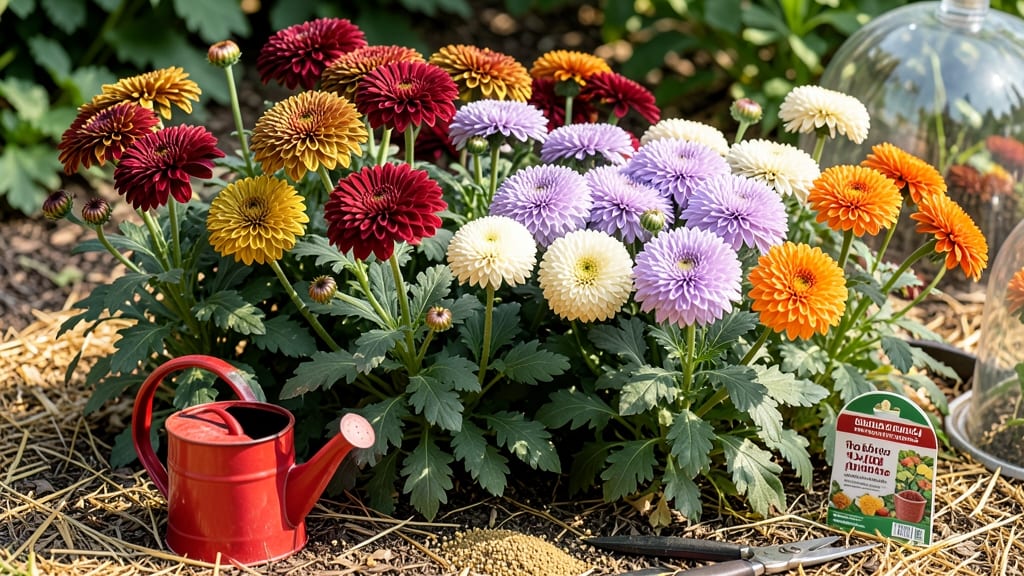
How to make mums last all the fall—it’s easier than you think, and I’ve seen them still blooming in November with the right care. 🌼 The trick isn’t forcing them; it’s working with their natural rhythm while giving them a little extra protection when temperatures dip. Most gardeners give up too soon, but with a few simple adjustments, you can stretch their show well past the first frost.
Start with light pruning—cutting back spent blooms by a third encourages new growth, while even moisture (not soggy soil) keeps roots active. A balanced organic fertilizer every 3-4 weeks gives them the energy to keep flowering, and mulching with straw or leaves insulates roots from cold snaps.
The key is consistency: don’t let them dry out or get waterlogged.
When nights turn chilly, move containers to sheltered spots or wrap them in frost cloth—this buys you 2-3 extra weeks of color. Watch for pests too; spider mites love stressed plants, so a neem oil spray keeps them at bay without harsh chemicals.
With these tweaks, your mums won’t just survive—they’ll thrive until the first hard freeze.
This works for both potted and in-ground varieties, and the same principles apply to other fall bloomers like asters or sedum. The secret? Paying attention to what they need, not what you want them to do. Let’s make those blooms last!
📚 In This Guide
- What you need
- Instructions
- Tips and common mistakes
- Wrapping up and next steps
What you need
- ● Fresh-cut mums: 5–10 stems (choose hardy varieties like ‘Dynasity’ or ‘Mertie’ for cold tolerance).
- ● Clean, sharp pruners or floral shears (sterilized with rubbing alcohol).
- ● Fresh water: 2–3 gallons (change daily for best results).
- ● Floral preservative: 1 packet (or 1 tsp sugar + 2 drops bleach as a DIY alternative).
- ● Vase or container: 1 clean, deep vessel (12+ inches tall for stability).
- ● Newspaper or aluminum foil: Enough to line the bottom of your vase (prevents bacterial growth).
- ● Floral food sticks: 1–2 (for extended hydration).
- ● Cold-water treatment: Ice cubes (to keep stems cool and slow bacterial growth).
- ● Pruning spray: 1 bottle (70% isopropyl alcohol for sterilizing tools).
- ● Decorative pebbles or moss: For a rustic vase aesthetic (while keeping stems submerged).
Step-by-step instructions for extending mums through fall
Here's how to keep your chrysanthemums blooming vibrantly until frost—no special equipment needed.
🌿 Step 1: Choose the Right Varieties for Late Season
Start with hardy mum varieties like 'Dynasity,' 'Mertie,' or 'Brightside,' which are bred to withstand cooler temperatures. These types naturally resist early frost damage and continue flowering when others fade. I always check the labels at the nursery—they list cold tolerance ranges, and you want 15-25°F hardiness or better.
If you're working with store-bought mums, select those still in bud form rather than fully open blooms. Buds hold their color and energy longer, giving you 2-3 extra weeks of vibrant display. Avoid pre-frosted plants with browned leaves or wilted stems—they won't recover.
☀️ Step 2: Position for Maximum Sun and Shelter
Move your mums to a location that gets at least 6 hours of sunlight daily but also benefits from afternoon shade if your climate gets hot afternoons. I place mine near a south-facing wall or fence—they reflect light while providing wind protection. This combo extends the growing season by 10-14 days by reducing stress from temperature swings.
Watch for microclimates in your yard. Areas near buildings, under trees, or surrounded by other plants often stay 5-10°F warmer at night. If you notice frost forming in open areas first, relocate your mums to these sheltered spots the night before a predicted cold snap.
💧 Step 3: Adjust Watering for Fall Conditions
Reduce watering frequency as temperatures drop—mums need 30-50% less water in fall compared to summer. I check soil moisture by sticking my finger 1 inch deep; if it's dry, that's when I water. Overwatering in cool weather causes root rot, which kills plants faster than frost. Water in the morning only to allow foliage to dry before evening chill sets in.
Mulch around the base with 2-3 inches of shredded leaves or straw mulch to insulate roots. This simple step keeps soil temperatures 5°F warmer at night, which is crucial when nighttime lows dip into the 30s°F. Avoid piling mulch against stems—keep it 2 inches away to prevent moisture buits that attract pests.
✂️ Step 4: Prune Strategically to Encourage New Blooms
Deadhead spent blooms immediately by cutting stems back to the first set of healthy leaves below the flower head. This redirects the plant's energy into producing new buds instead of seed development. I do this every 2-3 days as flowers fade—consistent pruning keeps mums flowering for 4-6 weeks longer than neglected plants.
For a final growth boost, give your mums a light fertilizer application with 10-10-10 or 5-10-10 formula in early fall (about 6 weeks before first frost). This timing prevents late-season growth that would be vulnerable to frost damage. Water thoroughly after fertilizing to help roots absorb nutrients before cooler weather sets in.
🌱 Step 5: Protect from Early Frost with Simple Covers
When nighttime temperatures drop to 32°F or below, cover your mums with frost cloth or lightweight row covers secured with stakes or bricks. These fabrics trap 5-10°F of heat while allowing sunlight to penetrate. Remove covers by 10 AM to prevent overheating during the day—mums can still get sunburned under cover.
For an even more effective barrier, create a makeshift frame using PVC pipes or wire hoops and drape frost cloth over it. This keeps the fabric 2-3 inches above the plants, preventing contact that can damage tender stems. Test your setup on a mild night first—some varieties adjust better to this protection than others.
Tips & tricks for extending fall chrysanthemum blooms
These simple yet powerful tricks will help your chrysanthemums defy autumn's chill and keep flowering until the first hard frost.
Variety Selection Wisdom: When choosing your mums, look for tags that specify 15-25°F hardiness—these are the varieties that will actually survive light freezes. I've found that 'Mertie' series in particular holds up beautifully to 25°F nights, while 'Brightside' varieties often last until 20°F with proper care. The key is selecting plants that are already adapted to your fall temperatures rather than trying to force tender varieties to survive.
Microclimate Mastery: That 5-10°F warmer nighttime temperature in sheltered areas isn't just a nice bonus—it can mean the difference between vibrant blooms and frost damage. I recommend testing your yard's microclimates by placing a simple thermometer in different locations for 24 hours. The spot that stays warmest at night (often near south-facing walls or under eaves) becomes your mum sanctuary during cold snaps. This simple step can extend your blooming season by 10-14 days without any additional work.
Pruning Precision: When deadheading every 2-3 days as instructed, make your cuts at a 45-degree angle just above a healthy leaf node. This angled cut prevents water from pooling on the stem, which reduces disease risk. I also recommend sterilizing your pruners with rubbing alcohol between plants—this prevents spreading any potential fungal spores that could weaken your mums when they're already stressed by cooler temperatures. The extra 4-6 weeks of blooms you'll get makes this small effort absolutely worth it.
Frost Protection Fine-Tuning: That 10 AM removal time for frost covers is crucial—any later and you risk overheating the plants, which can actually be more damaging than the frost itself. I've found that using bricks or landscape fabric weights to secure the edges of frost cloth works better than staples or pins, which can damage stems. For an extra layer of protection, place a 1-inch layer of straw mulch over the frost cloth before securing it—this adds another 2-3°F of insulation without requiring additional equipment.
Pro Tips for Make Mums Last All Fall
- These simple yet powerful tricks will help your chrysanthemums defy autumn's chill and keep flowering until the first hard frost.
- Variety Selection Wisdom: When choosing your mums, look for tags that specify 15-25°F hardiness—these are the varieties that will actually survive light freezes.
- Microclimate Mastery: That 5-10°F warmer nighttime temperature in sheltered areas isn't just a nice bonus—it can mean the difference between vibrant blooms and frost damage.
Frequently asked questions
Got more questions about keeping your mums vibrant all season? Here are some common ones—and their easy solutions!
Why do my mums wilt so fast in cold weather?
Mums are sensitive to temperature drops below 40°F (4°C). Cold causes water in the stems to freeze, blocking nutrient uptake and leading to wilting. To prevent this, bring them indoors at night or use cold-resistant varieties like 'Autumn Joy' or 'Pembroke.'
How often should I water mums in fall?
Water mums deeply 2–3 times per week (less if rain is frequent). Overwatering can rot roots, while underwatering stresses them. Check soil moisture by sticking your finger 1 inch deep—if it’s dry, it’s time to water. Pro tip: Use a self-watering planter for consistent moisture!
Can I keep mums in pots all fall?
Yes! Potted mums thrive if you:
- Use well-draining soil (add perlite or sand).
- Place pots in partial shade to avoid heat stress.
- Move them to a covered porch or garage during cold snaps.
What’s the best way to revive droopy mums?
If your mums look sad, try this:
- Trim wilted stems at a 45° angle with clean scissors.
- Soak roots in cool water for 10 minutes to rehydrate.
- Place in a shady spot for 24 hours before returning to sunlight.
Are there mums that last longer than others?
Look for hardy varieties like:
- 'Autumn Joy' (deep pink, thrives in cooler temps).
- 'Pembroke' (red, disease-resistant).
- 'Medley' (mixed colors, slow to fade).
Wrapping up and next steps
With these simple tricks, your mums can stay vibrant and fresh all fall long—even through chilly weather! 🌼 From proper cutting and storage to smart placement and seasonal care, you’ve got everything you need to extend their beauty and enjoy them until winter’s first frost.
Now that you’re armed with the know-how, grab those shears and get arranging—your fall centerpieces are about to shine brighter than ever.
Ready to put your new skills into action? Start by picking up fresh mums from your local florist (or your own garden!) and give these tips a try. Your home—or porch—will thank you!