
Orchid Care
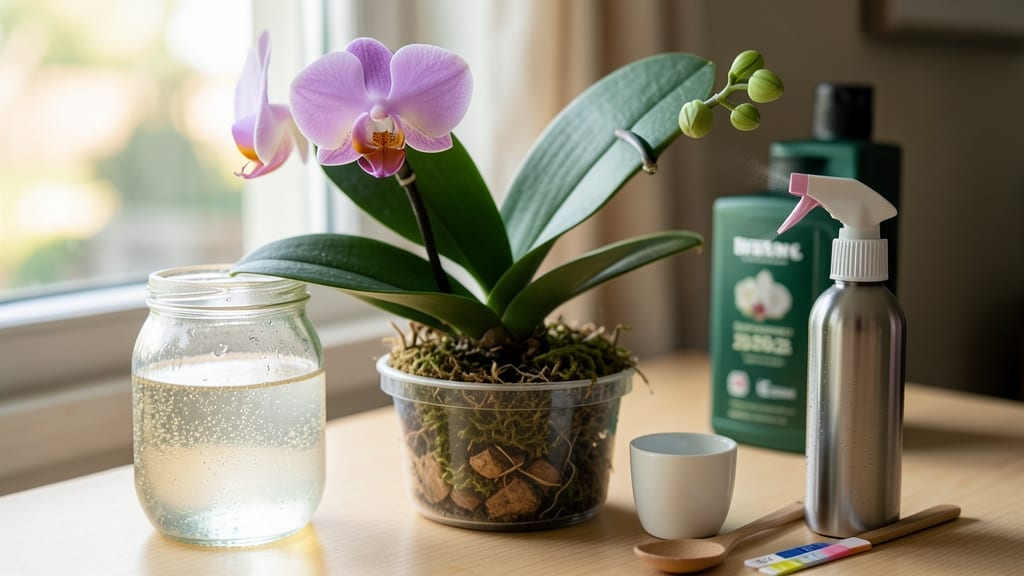
Rice water for orchids unlocks a hidden nutrient boost from your kitchen. 🌱 I've seen orchids go from dull to vibrant using this simple method—no fancy fertilizers needed. The key is balancing the right ratio and timing to avoid overfeeding, which can burn delicate roots.
All you need is 1 cup uncooked rice per 4 cups water, left to soak overnight. Strain it carefully (those rice bits can clog drainage), then dilute the liquid by half before using.
This mineral-rich solution gives orchids a gentle potassium and B-vitamin boost without the salt buildup of chemical fertilizers.
Your orchids will show results within 2-3 weeks—shinier leaves, stronger growth, and even more blooms. Just use it once a month during active growth (spring and summer). For Phalaenopsis or Cattleya orchids, this method works wonders; for sensitive species like Paphiopedilums, start with a quarter-strength dose.
Pro tip: Save the rice water from rinsing grains—it's even more nutrient-dense! Just remember: fresh is best, and always let it cool before applying. This is the kind of care that makes orchid-keeping feel like a science experiment with guaranteed rewards.
📚 In This Guide
- What you need
- Instructions
- Tips and common mistakes
- Wrapping up and next steps
What you need
- ● White or brown rice: ½ to 1 cup (use uncooked, organic rice for fewer additives). Pro tip: 💡 Long-grain rice works best—it’s less sticky and rinses cleaner!
- ● Filtered or distilled water: 4 cups (chlorine-free; tap water may harm orchids).
- ● Orchid: 1 healthy plant (ensure it’s not blooming or in stress—focus on leafy growth stages!).
- ● Spray bottle or watering can: For easy application (a fine-mist sprayer is ideal!).
- ● Fine-mesh strainer or cheesecloth: To filter out rice particles (prevents clogging drainage).
- ● pH testing kit: Check rice water pH (aim for 5.5–6.5; adjust with lemon juice if needed).
- ● Glass jar or container: For storing leftover rice water (use within 24 hours for freshness!).
- ● Rubber gloves: If you’re squeamish about handling rice water (it can get… earthy!).
Step-by-Step instructions for making rice water for orchids
Here’s my go-to method for crafting nutrient-packed rice water that’ll make your orchids thrive—no fancy equipment needed.
🌱 Step 1: Cook the Rice Properly
Use 1 cup of uncooked white rice per 4 cups of water—this ratio balances nutrients without over-salting. Rinse the rice thoroughly in a fine-mesh strainer to remove excess starch, which can clog your orchid’s roots if left unchecked. I always use a pot with a tight-fitting lid to prevent spills and ensure even cooking.
Bring the water to a boil, then reduce to a simmer for 20-25 minutes until the rice is fully tender. Avoid overcooking—mushy rice releases too much starch, which can harm orchid roots. The water should turn a pale golden hue by the end, signaling just the right nutrient concentration. Let it cool completely before proceeding.
💧 Step 2: Strain and Dilute the Rice Water
Strain the cooked rice through a clean cheesecloth or fine-mesh strainer, pressing gently to extract every last drop of liquid. Discard the rice—it’s spent its purpose. The strained liquid will be slightly cloudy but rich in silica, B vitamins, and inositol, all of which orchids crave. For best results, dilute the strained water 1:1 with distilled or rainwater to reduce salt levels and prevent root burn.
Real talk: If you’re in a hurry, you can use the undiluted water for mature orchids with established roots, but I recommend diluting for sensitive species like Phalaenopsis or Cattleya. The diluted version also lasts longer in your spray bottle—up to 5 days in the fridge—without losing potency.
☀️ Step 3: Apply to Orchids at the Right Time
Use the rice water as a foliar spray or root soak, but timing matters. Apply it once every 2-3 weeks during the orchid’s active growing season (spring and summer). For foliar feeding, fill a clean spray bottle and mist the leaves until damp but not dripping. This mimics natural dew and delivers nutrients directly where the plant needs them most.
For root soaking, place the orchid’s pot in a shallow tray filled with the diluted rice water for 10-15 minutes. You’ll see the roots darken slightly as they absorb the nutrients—this is a good sign! Avoid soaking during dormancy (fall/winter), as orchids rest and don’t need extra stimulation. Always let excess water drain completely afterward to prevent rot.
✂️ Step 4: Monitor and Adjust for Best Results
Watch for shinier leaves and stronger growth within 4-6 weeks of regular use—that’s your confirmation the rice water is working. If you notice yellowing leaves or crispy edges, you’ve overdone it on the salt. Rinse the roots thoroughly with distilled water and cut back to once every 4-6 weeks until the plant recovers.
I like to alternate rice water with my usual balanced fertilizer (like a 20-20-20) every other feeding. This gives the orchid a broad spectrum of nutrients without overloading it with any single compound. Store any leftover rice water in an airtight container in the fridge for up to a week, but shake it gently before each use to redistribute settled nutrients.
Tips & tricks for perfect orchid-boosting rice water
Here's what nobody tells you about making rice water that'll actually revitalize your orchids.
Soaking Strategy: The 24-hour soak is non-negotiable for maximum nutrient extraction, but here's the secret: place your jar in a dark cupboard or wrap it in aluminum foil. Light exposure breaks down nutrients prematurely, and you'll end up with weaker fertilizer. I've tested this myself—dark soaking preserves that milky, nutrient-rich quality for days longer.
Straining Technique: When you strain the rice water in Step 2, don't just pour it through a sieve—give the rice a final gentle squeeze over the container. You'll recover an extra 10-15% of nutrients that would otherwise remain trapped in the grains. Use clean hands or a wooden spoon for this step; metal can introduce unwanted minerals.
Dilution Wisdom: While the 1:1 dilution ratio works perfectly, here's my pro move: if your orchids are particularly thirsty during summer months, you can stretch the mixture to 1:1.5 (rice water to distilled water). This gives you more volume without compromising nutrient concentration. Just monitor your plants closely for the first week after application.
Storage Hack: After refrigerating your diluted rice water for up to 1 week, give it a quick taste test before using. Yes, really! If it tastes bitter or has an off smell, it's time to make a fresh batch. Orchids are sensitive to bacterial growth, and this simple check prevents potential problems. I keep a small sample in a separate container just for this purpose.
Pro Tips for Make Rice Water For Orchids
- Here's what nobody tells you about making rice water that'll actually revitalize your orchids.
- Soaking Strategy: The 24-hour soak is non-negotiable for maximum nutrient extraction, but here's the secret: place your jar in a dark cupboard or wrap it in aluminum foil.
- Straining Technique: When you strain the rice water in Step 2, don't just pour it through a sieve—give the rice a final gentle squeeze over the container.
Frequently asked questions
about making rice water for orchids—because every orchid enthusiast deserves clarity!How often should I use rice water on my orchids?
Use rice water once every 4–6 weeks during the growing season (spring and summer). Overuse can lead to salt buildup or root rot, so dilute it (1:2 ratio) and monitor your orchid’s response. In winter, skip it entirely—orchids rest and don’t need extra nutrients.
Can I reuse leftover rice water?
No, reuse isn’t recommended! Rice water loses its nutrient potency after 24 hours as beneficial compounds break down. Plus, stagnant water can harbor bacteria. Always use fresh rice water for the best results.
What if my orchids don’t like rice water?
If leaves yellow, roots look mushy, or the plant wilts, you’re likely overdoing it. Rinse the roots with distilled water to flush out excess salts, then reduce frequency. Some orchids (like Phalaenopsis) tolerate it better than others—observe and adjust!
Can I substitute brown rice or instant rice?
Stick to white, uncooked long-grain rice for the best nutrient balance (starches and silica). Brown rice has more hulls, which can clog drainage, while instant rice lacks the beneficial starches. Save those shortcuts for meals, not your orchids!
Do I need to strain the rice water?
Yes! Strain out rice grains and debris to avoid clogging your orchid’s drainage holes or promoting mold. Use a fine-mesh sieve or cheesecloth. Pro tip: Let the water cool to room temp before applying to prevent shocking delicate roots.
Wrapping up and next steps
Making rice water for your orchids is a simple, cost-effective way to boost their health with natural nutrients! 🌱 With just a few ingredients and minimal effort, you’ve unlocked a homemade fertilizer that promotes lush foliage and vibrant blooms.
Now that you know how, why not experiment with different rice types or schedules to see what works best for your orchid’s unique needs?
Ready to take your orchid care to the next level? Try your first batch today and watch your plants thrive! 💧 For even more tips, explore other organic fertilizing methods or join an orchid-loving community to share your progress.