
How To
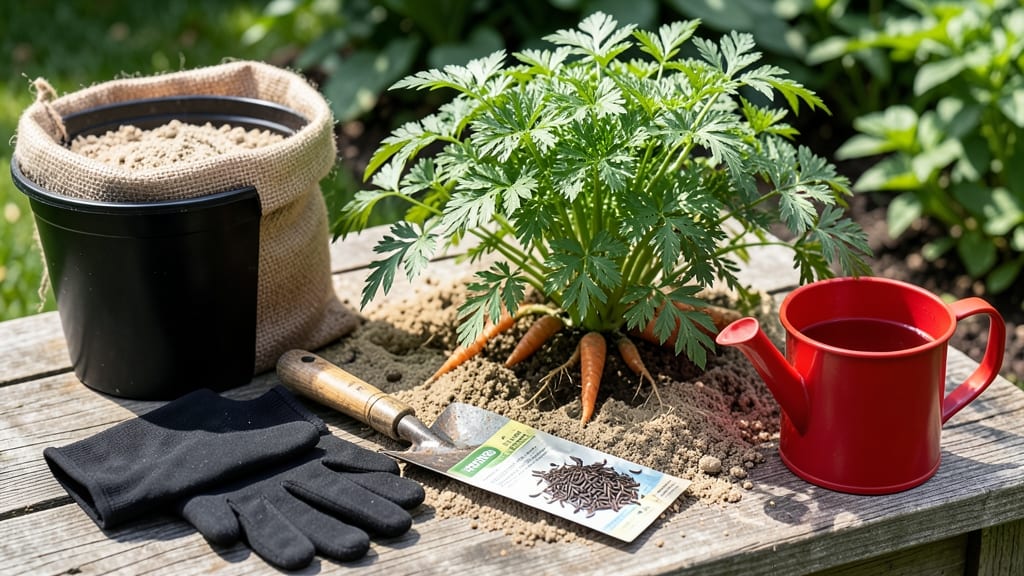
Carrots hate crowded roots—sandy soil is their secret weapon. 🌱 The right mix prevents forking and lets those sweet orange fingers grow straight and long, no matter how rocky your garden bed might be.
I learned this the hard way after pulling up a batch of gnarled, split carrots that looked more like question marks than the perfect cones we all dream of.
You don’t need fancy equipment, just coarse sand (not fine playground sand), compost, and a little patience. The magic ratio is 50% existing soil, 30% coarse sand, and 20% compost—this keeps the texture loose while feeding roots.
Too much sand? Roots struggle to anchor. Too little? You’ll end up with forking again. The goal is a mix that crumbles easily between your fingers, like fresh bread dough.
Once mixed, you’ll see the difference immediately: seeds sprout faster, roots penetrate deeper, and harvest time becomes a celebration instead of a chore. Watering becomes easier too—sandy soil drains well, so you won’t drown tender young plants. Just mulch lightly to retain moisture without compacting the mix, and you’re golden.
This method works for raised beds, containers, or in-ground plots—anywhere carrots need room to stretch. The key is consistency: test your mix by squeezing a handful.
If it holds shape, add more sand. If it feels dry, mix in a little compost. Now go dig in—your next harvest will be picture-perfect.
📚 In This Guide
- What you need
- Instructions
- Tips and common mistakes
- Wrapping up and next steps
What you need
- ● Sand: Coarse builder’s sand (not fine beach sand)—50% of the mix (e.g., 2 cubic feet for a 4 ft² bed). Must be sterile (heat-treated or new, never from playgrounds or construction sites).
- ● Peat moss or coconut coir: 15-20% of the mix (e.g., 1 part to 3-4 parts sand). Improves moisture retention and aeration.
- ● Compost or well-rotted manure: 10-15% of the mix (e.g., 1 part). Adds nutrients without compacting the soil.
- ○ Perlite or vermiculite: Optional but helpful—5-10% of the mix (e.g., ½ part). Boosts drainage and root growth.
- ● Garden trowel or spade: For mixing and turning the soil.
- ● Garden rake: To level and smooth the final bed.
- ● pH test kit: To ensure the mix is neutral (6.0–7.0). Sandy soil can be acidic—amend with lime if needed.
- ● Carrot seeds or seedlings: Choose short varieties (e.g., 'Paris Market' or 'Nantes') for sandy soil.
- ● Biochar: 5% of the mix—improves water retention and microbial activity.
- ● Worm castings: 1 part—adds gentle nutrients and aeration.
- ● Slow-release fertilizer (e.g., 10-10-10): 1 tbsp per sq ft—feeds carrots without burning.
- ● Mulch (straw or grass clippings): To keep moisture in and weeds out after planting.
Step-by-Step instructions for creating loose, sandy soil for carrots
Carrots need soil that’s loose enough to let them grow straight and sweet—here’s how to create the perfect sandy blend.
🌱 Step 1: Start with a Base of Coarse Sand
Grab 50% coarse builder’s sand—the kind used for concrete, not fine playground sand. This creates the airy texture carrots crave. Sift it to remove any debris or small rocks, which can disrupt root growth. I like to spread it on a tarp first so I can easily shake out clumps before mixing.
Carrots won’t tolerate compacted soil, so this step is non-negotiable. If you’re short on sand, you can substitute perlite (about 30% of the mix), but sand gives the best results for long, smooth roots. Avoid river sand—it’s too fine and can compact over time.
🌿 Step 2: Blend in Organic Matter for Nutrients
Add 30% compost or well-rotted manure to feed the carrots as they grow. I use a mix of aged cow or horse manure with a little worm castings for extra nutrients. Spread it evenly over the sand and use a garden fork to gently fluff the layers together—don’t overmix, or you’ll break down the sandy texture.
This blend gives carrots the nutrients they need without making the soil too dense. If your compost smells strong or looks fresh, bake it in the sun for a few days first. Fresh manure can burn young roots and set you back weeks.
💧 Step 3: Add the Finishing Touches for Drainage
Stir in 20% peat moss or coconut coir to hold moisture while still keeping the soil loose. This prevents the mix from drying out too quickly, which is especially important in hot climates. I like to mix everything by hand—it’s easier to feel the texture and adjust as you go.
For extra insurance, add a handful of composted leaf mold (if available). It improves structure without adding bulk. Once mixed, the soil should feel like damp sandcastle material—light, airy, and easy to crumble between your fingers. If it sticks together, add a little more sand.
☀️ Step 4: Test the Soil Before Planting
Fill a small pot or container with your mix and press it gently with your fingers. If it holds its shape but crumbles easily, you’re good to go. Carrots need soil that’s loose enough for roots to penetrate without resistance—if it feels compacted, add more sand or perlite.
I also like to dig a shallow hole, fill it with water, and watch how quickly it drains. Sandy soil should absorb water fast but not let it pool. If water sits at the bottom, you’ve got too much organic matter—add more sand to fix it. Once you’ve got the right texture, it’s time to plant!
⏰ Step 5: Prepare the Planting Bed
Work the mix into the top 12 inches of soil in your garden bed. Use a broadfork or garden trowel to loosen the native soil first—carrots hate hitting rocks or hardpan. Once blended, rake the surface smooth and remove any clumps.
Here’s the thing—carrots grow best in soil that’s loose all the way down. If your bed has compacted layers below, consider double-digging or amending deeper. The goal is to give those roots room to stretch without forking or bending. Now your carrots have the perfect foundation to grow long and sweet!
Tips & tricks for perfect carrot-growing soil
Here's what I've learned after years of growing perfect carrots—these tricks make all the difference between smooth roots and forking disappointments.
Texture is Everything: The 50-30-20 ratio of coarse sand, organic matter, and moisture retainers isn't just arbitrary—it's science. That coarse sand creates the air pockets carrots need to grow straight. I test texture by squeezing a handful: it should hold shape but crumble instantly. If it sticks together, you need more sand. Think of it like making sandcastle walls—too much water ruins the structure, just like too much organic matter ruins your soil.
Organic Matter Matters: When mixing in that 30% compost or manure, don't just dump it in all at once. Spread it evenly over the sand first, then gently fluff with a fork. This creates pockets of nutrients while maintaining the sandy texture. And here's the thing about fresh manure—it burns roots. If your compost smells strong or looks fresh, cure it in the sun for 3-5 days first. The heat kills pathogens and mellows the nitrogen, making it safe for young carrots.
Drainage Test: That water test in Step 4 is your secret weapon. Fill a shallow hole with your mix, add water, and watch how quickly it drains. Sandy soil should disappear in 5-10 seconds. If water pools, you've got too much organic matter—add more sand to fix it. This simple test tells you everything you need to know about your soil's structure before you plant a single seed.
Deep Preparation Pays Off: Don't skimp on that 12-inch depth in Step 5. Carrots grow best when they can spread their roots without hitting resistance. If you're working with compacted soil, consider double-digging—it's worth the extra effort. I've seen carrots fork dramatically when they hit hardpan just 6 inches down. The goal is to create a loose column all the way to where your carrots will grow, not just at the surface.
Pro Tips for Make Sandy Soil For Carrots
- Here's what I've learned after years of growing perfect carrots—these tricks make all the difference between smooth roots and forking disappointments.
- Texture is Everything: The 50-30-20 ratio of coarse sand, organic matter, and moisture retainers isn't just arbitrary—it's science.
- Organic Matter Matters: When mixing in that 30% compost or manure, don't just dump it in all at once.
Frequently asked questions
Got questions about creating the perfect sandy soil mix for your carrots? You’re not alone! Here are some of the most common concerns—plus clear, actionable answers to help you grow those dreamy, fork-free roots.
Why do carrots need sandy soil?
Carrots thrive in loose, well-draining soil because sandy mixes prevent forking (when roots split or bend) and rock-hard textures. Sandy soil also warms up faster in spring, giving seedlings a head start. Think of it as giving your carrots a spacious, cozy home to grow straight and sweet!
When is the best time to amend my garden soil with sand?
Ideally, 6–8 weeks before planting (early spring or late summer). This gives microbes time to adjust and lets the sand fully integrate. If you’re working with existing beds, test your soil first—adding sand to clay-heavy soil can actually make it worse (more on that below!).
Can I just add sand to my regular garden soil?
Not always!
If your soil is clay-heavy, sand alone can create a concrete-like texture. Instead, mix in compost or peat moss (20–30%) to improve structure. For sandy soil, focus on adding orgainc matter (like leaf mold) to retain moisture. Think balance: 60% sand, 30% topsoil, 10% compost.
What if my carrots still fork even with sandy soil?
Forking can happen due to uneven moisture, crowding, or poor soil layers. Try these fixes:
- Water deeply but consistently—avoid dry spells.
- Loosen soil before planting (12–18 inches deep) to break up compaction.
- Thin seedlings to 2–3 inches apart for space to grow straight.
- Add a 1-inch layer of mulch to keep soil even and moist.
What’s a quick alternative if I don’t have sand?
No sand? No problem! Use these loose, well-draining substitutes:
- Perlite or vermiculite (1 part to 3 parts soil)—lightweight and great for containers.
- Coconut coir (blended with compost) for moisture control.
- Composted bark fines (finely shredded wood chips) to improve aeration.
Pro tip: For container gardening, a mix of 50% potting soil + 30% perlite + 20% compost works wonders!
Wrapping up and next steps
Transforming your soil into the perfect sandy haven for carrots isn’t just possible—it’s rewarding!
By blending the right materials and following a few simple steps, you’ll create loose, well-draining soil that lets those sweet, tender roots grow effortlessly. Don’t let fork-resistant nightmares hold you back—your garden deserves happy, harvest-ready carrots!
Ready to dig in? Start small—test a patch first, then expand your sandy soil success to the whole garden. Check out our guide on planting tips next to turn your soil prep into a full-blown carrot-growing victory!