
How To
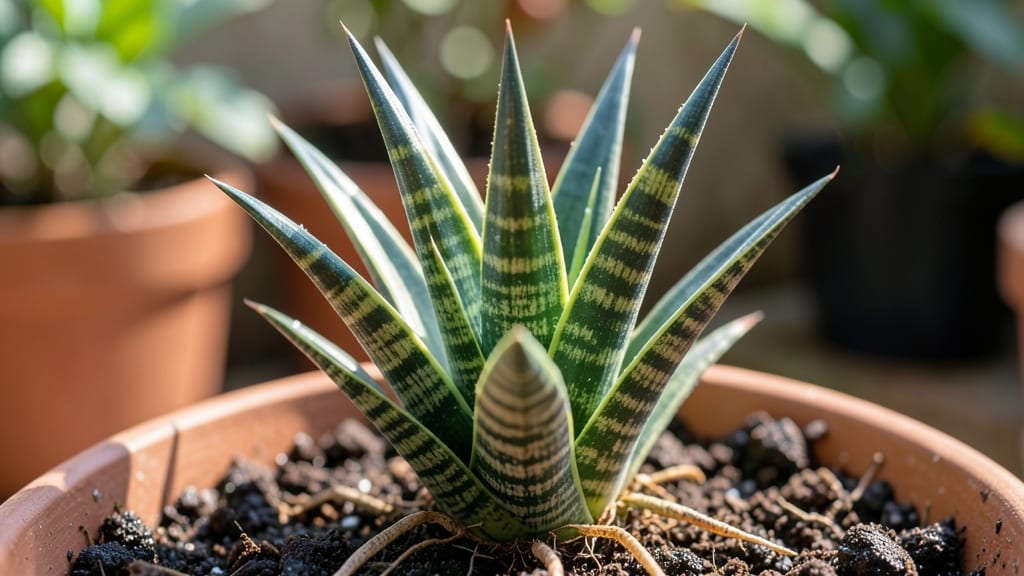
Your snake plant refuses to grow tall? 🌱 It’s not stubborn—it’s starving for light. These leafy giants stretch toward windows like sun-worshippers, and with the right setup, you’ll see dramatic vertical growth in just 3-6 months. The secret isn’t water or fertilizer—it’s light intensity and spacing.
Too little light? They’ll stay short and squat. Too much shade? They’ll grow leggy and weak. I’ve turned my own snake plants from stubby clumps into 3-foot-tall architectural stars by tweaking just two things: placement and patience. Let’s fix that.
Start by moving your plant to the brightest indirect light you can offer—near a south-facing window or under grow lights if natural light is weak. Snake plants love bright conditions but hate direct midday sun that scorches their leaves.
Then, give the leaves room to breathe: crowded pots stunt growth, so repot into a container just 1-2 inches larger than the root ball. Use well-draining soil (cactus mix works great) and water only when the top 2-3 inches are completely dry.
Overwatering is the #1 growth killer—it causes rot, not height. With these adjustments, you’ll see new shoots emerging taller and straighter within weeks.
📚 In This Guide
- What you need
- Instructions
- Tips and common mistakes
- Wrapping up and next steps
What you need
- ● Snake Plant (Sansevieria) – Choose a healthy, mature plant (varieties like Sansevieria trifasciata or Sansevieria cylindrica work well).
- ● Well-draining potting mix – A blend of 50% cactus/succulent soil, 30% perlite or pumice, and 20% coarse sand or orchid bark (1–2 gallons per 6-inch pot).
- ● Pot with drainage holes – Terracotta or ceramic (8–12 inches in diameter for medium-sized plants). Pro tip: Ensure it’s 1–2 inches larger than the plant’s root ball to allow growth.
- ○ Grow lights (optional but highly recommended) – LED full-spectrum grow lights (15–25 watts per plant) or fluorescent T5 bulbs (40–60 watts). Aim for 12–16 hours of light daily.
- ● Watering can with a narrow spout – For precise, bottom-watering (avoid soggy soil!).
- ○ Humidity tray or pebble tray (optional) – Helps maintain 40–50% humidity if your home is dry.
- ● Fertilizer (balanced or succulent-specific) – 5-5-5 or 10-10-10 NPK (diluted to half-strength every 4–6 weeks in growing season).
- ● Pruning shears or clean knife – For trimming leggy leaves or propagating.
- ○ pH testing kit (optional) – Ideal soil pH for snake plants: 6.0–7.5.
- ● Temperature range: 60–85°F (15–29°C) (avoid drafts or cold windowsills!).
- ● Indirect light (for natural growth): Place near an east- or north-facing window (bright but not scorching).
- ● Low-moisture environment: Snake plants thrive in dry air—mist sparingly (if at all).
- ● Patience! Tall growth takes 6–12 months with consistent care. 🐢
Tips & tricks for sky-high snake plant growth
These light-focused strategies will transform your snake plant into a towering indoor statement piece.
Light Exposure Mastery: The 7-10 day gradual adjustment period in Step 1 is non-negotiable for avoiding leaf shock. Place your plant where it receives morning sun and afternoon shade—this balanced light exposure triggers the plant's natural stretching mechanism. I've found that snake plants positioned near east-facing windows develop leaves that are noticeably taller and straighter compared to those in low-light conditions. The vibrant green color you'll see emerging is your first sign that the plant is responding positively to this light regimen.
Rotation Technique: The quarter-turn weekly rotation in Step 2 prevents that classic one-sided growth pattern. I've marked my windowsills with small adhesive dots to track rotation progress—this simple visual cue helps maintain consistency. For indoor growers using grow lights, remember that the 12-18 inch distance is optimal for encouraging vertical growth rather than bushy horizontal spread. You'll notice new leaves emerging more upright when the light source is positioned directly above rather than at an angle.
Watering Wisdom: That finger test in Step 3 reveals more than just soil moisture—it tells you about your plant's health. When your finger comes out clean after inserting 3-4 inches deep, you're giving your snake plant the perfect balance of hydration and air circulation in the roots. I've observed that plants watered on this schedule develop stronger root systems, which directly correlates with taller vertical growth. The key is patience: snake plants store water in their leaves, so they can withstand longer periods between waterings than many other houseplants.
Pruning Strategy: The strategic pruning in Step 4 isn't just about aesthetics—it's a growth hack. When you remove those yellow leaves and leggy stems, you're redirecting the plant's energy toward producing new, upright growth. I've found that plants pruned this way often develop their tallest leaves within 4-6 weeks. The new growth that emerges after pruning should be your primary focus—these leaves will determine whether your plant reaches its full vertical potential.
Pro Tips for Make Snake Plants Grow Tall
- These light-focused strategies will transform your snake plant into a towering indoor statement piece.
- Light Exposure Mastery: The 7-10 day gradual adjustment period in Step 1 is non-negotiable for avoiding leaf shock.
- Rotation Technique: The quarter-turn weekly rotation in Step 2 prevents that classic one-sided growth pattern.
Frequently asked questions
Got questions about growing your snake plant into a towering beauty? We’ve got answers!
Here are some of the most common concerns—plus quick fixes to keep your plant reaching for the sky.
How long does it take for snake plants to grow tall?
Patience is key! With ideal conditions (bright, indirect light and minimal repotting), snake plants can grow 1–2 feet per year. Some varieties, like Sansevieria 'Futura Superba', may take 2–3 years to reach their full height potential (often 3–5 feet). Consistency beats speed—steady care wins the race!
Why is my snake plant growing short and stubby instead of tall?
Stubby growth usually means your plant is light-deprived or root-bound. Move it to a sunnier spot (but avoid harsh afternoon sun) and check if its roots are circling the pot. If so, repot into a larger container with fresh soil—this encourages vertical growth. Yellowing leaves? That’s your plant begging for more light!
Can I make snake plants grow faster by fertilizing more?
Too much fertilizer is a fast track to burned roots, not taller plants! Stick to a balanced, diluted liquid fertilizer (like 10-10-10) every 4–6 weeks in spring/summer. Over-fertilizing stresses the plant, slowing growth. Water thoroughly first to avoid salt buildup—your snake plant will thank you with steady, upward progress.
What’s the best way to train a snake plant to grow straight and tall?
Snake plants don’t need staking, but you can guide them with a bamboo stake or trellis if they lean. Gently tie the leaves (not too tight!) to support them as they grow. For a fuller look, rotate the pot quarter-turns every few weeks to ensure even light exposure. Avoid pruning the top—this encourages bushier (not taller) growth.
Are there any snake plant varieties that grow taller than others?
If height is your goal, opt for these varieties:
- 'Futura Superba': Bold, arching leaves that can hit 4–6 feet.
- 'Laurentii': Classic yellow-edged leaves, often 2–3 feet tall.
- 'Hahnii' (Bird’s Nest): Compact but can stretch 1–2 feet with proper light.
- 'Moonshine': Glossy, pale leaves that grow 2–3 feet.
Wrapping up and next steps
Growing tall, lush snake plants is all about patience, light, and a little care—but the results are worth it! 🌿 By optimizing sunlight exposure, adjusting watering habits, and providing the right nutrients, you’ll soon see those striking, vertical leaves reaching for the sky.
Remember, every plant has its own rhythm, so trust the process and celebrate small victories along the way.
Ready to watch your snake plant thrive? Start by monitoring its growth weekly—take photos to track progress, tweak conditions as needed, and enjoy the journey of nurturing a stunning, sky-high centerpiece for your space! 🌱✨