
Picking
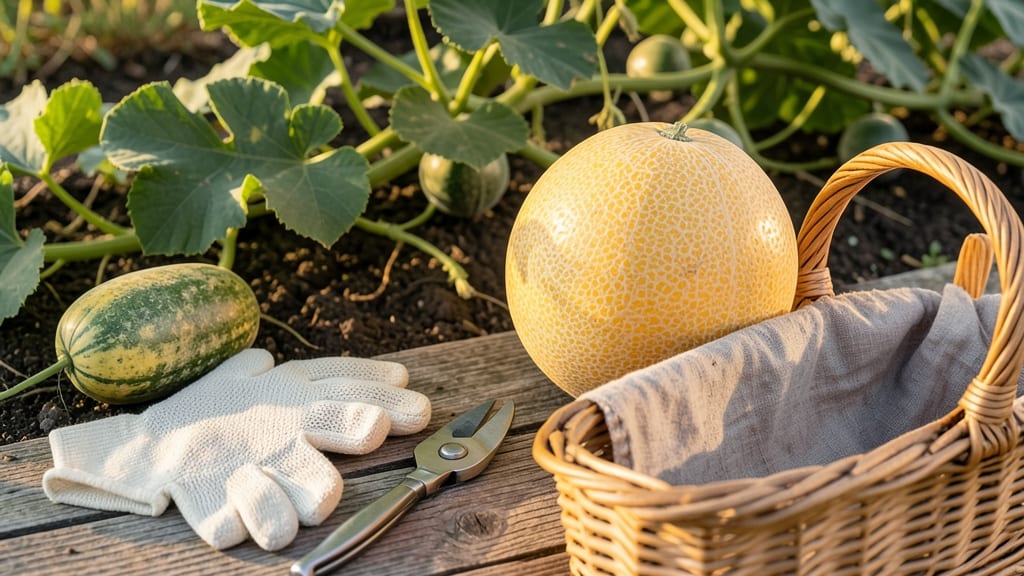
Mastering how to pick a cantaloupe with this simple chart can turn your melon game from hit-or-miss to consistently perfect—no more guessing! 🌿 I’ve spent summers hunting down the sweetest cantaloupes, and the difference between a mealy disappointment and a juicy masterpiece comes down to just a few key checks.
This guide cuts through the guesswork so you never grab a rock-hard or overripe one again.
The first clue is right under your nose: a ripe cantaloupe should smell intoxicatingly sweet near the stem—like a mix of honey and melon. Next, check the net pattern on the rind: it should be golden beige, not greenish.
Gently press the blossom end (the flat side)—if it gives slightly, it’s ready. Finally, lift the fruit: a ripe cantaloupe feels heavy for its size, with a slightly soft spot at the stem.
Harvesting at peak ripeness means sweeter, juicier fruit that stores better too. Skip the ones that feel too hard or smell fermented—those are past their prime. With these tricks, you’ll go from guessing to confidently selecting cantaloupes that burst with flavor every time.
This method works for store-bought or homegrown cantaloupes—just adjust for your local growing season. Once you master it, you’ll never settle for anything less than that perfect first bite. Now go find your next perfect melon!
📚 In This Guide
- What you need
- Instructions
- Tips and common mistakes
- Wrapping up and next steps
What you need
- ● 1 ripe cantaloupe (obviously—you’re here to pick one!)
- ● 1 small knife or peeler (for the stem test—bonus if it’s sharp!)
- ● 1 paper towel or clean cloth (to wipe your hands and the melon’s surface)
- ○ 1 pair of gloves (optional) (if you’re squeamish about melon stickiness 😅)
- ● 1 kitchen scale (0.1 oz precision) (for weighing the melon—aim for 3–5 lbs for peak ripeness!)
- ● 1 small bowl of water (to test the stem’s readiness)
- ● 1 flashlight or bright light source (for inspecting the underside in dim stores)
- ● 1 notebook & pen (to jot down pro tips or melon memories!)
How to pick a cantaloupe chart: the 4-Step touch-and-sight guide
Here’s how to select the perfect cantaloupe every time—no guesswork, just science-backed cues.
🍈 Step 1: Check the Stem for Natural Detachment
Look for a stem that’s already partially detached from the melon. This is your first sign of ripeness—when the vine naturally severs the fruit, it triggers flavor development. Gently wiggle the stem; if it comes off easily with just a slight twist, the cantaloupe is ready to eat. A stubborn stem means it’s too early, while a completely dry or rotting stem means it’s overripe.
I always test this first because it’s the most reliable indicator. The stem should feel slightly papery and dry to the touch, not sticky or green. If the stem is still firmly attached, wait 1-2 days and check again—cantaloupes ripen quickly once they near peak sweetness.
👃 Step 2: Sniff for That Unmistakable Aroma
Ripe cantaloupes release a sweet, musky fragrance near the stem. Hold the melon close to your nose and take a deep breath—you should detect a strong, pleasant scent. If it smells bland or like nothing at all, the fruit isn’t ripe yet. A fermented or overly strong odor means it’s past its prime.
This step is non-negotiable. I’ve learned the hard way that a cantaloupe with no aroma, no matter how heavy it feels, will be bland and seedy. Pro tip: Press your nose into the blossom end (the flat side opposite the stem) for the strongest scent signal.
🖐️ Step 3: Test the Netting for Softness
The rough, web-like texture on a cantaloupe’s skin (called netting) should yield slightly to gentle finger pressure when ripe. Press your thumb into the netting—it should give just a little, like pressing into a ripe avocado. If the skin feels hard or springs back immediately, the melon needs more time.
Don’t press too hard; you’re checking for softness, not squishiness. A ripe cantaloupe’s netting will feel slightly spongy, almost like a well-worn leather glove. Overripe melons will feel mushy in spots, while underripe ones will feel rock-hard.
🎨 Step 4: Examine the Color and Blossom End
The creamy yellow-orange color near the blossom end (the flat side) is your final cue. A ripe cantaloupe will have a deep, even hue in this area, often with a slight greenish tint near the edges—this is normal and indicates peak ripeness. Avoid melons with solid green patches or pale, uneven coloring.
Run your fingers over the blossom end; it should feel slightly soft and give way under gentle pressure. If it’s hard or hollow-sounding when tapped, the cantaloupe isn’t ready. The stem end (the opposite side) should remain pale green or white—this contrast confirms ripeness.
Tips & tricks for perfect cantaloupe selection
Mastering the art of cantaloupe selection means going beyond basic cues—here's what nobody tells you about picking the juiciest, sweetest melons every time.
The Stem Test Secret: When checking the stem in Step 1, look for that papery texture where it meets the melon. A perfectly ripe cantaloupe's stem should detach with just a gentle twist, not require force. If you're still unsure after the 1-2 day waiting period mentioned, try this: hold the melon and give it a firm but gentle shake—if the stem rattles slightly, it's ready. This little trick works because the separation process creates subtle air pockets inside the fruit.
Scent Science: In Step 2, when sniffing near the stem, focus on the blossom end for the strongest aroma signal. The sweet, musky scent should be concentrated there—if you're getting only faint hints, the melon isn't ripe enough. Here's a pro move: after sniffing, press your nose directly into the netting near the blossom end. The fragrance intensifies when you create that tiny air pocket against your skin. This is where the fruit's natural volatile oils are most concentrated.
Netting Nuances: For Step 3's softness test, imagine pressing into a ripe avocado—just enough to create a slight indentation that doesn't disappear immediately. The key is consistency: press in three different spots around the netting. If two out of three give slightly, that's your confirmation. I've found that cantaloupes from warmer climates often have slightly firmer netting when ripe, so don't be fooled by overly soft spots that might indicate overripeness.
Color Contrast: In Step 4, pay special attention to the color transition at the blossom end. That creamy yellow-orange should extend about 1-2 inches up from the flat side, with the edges showing just a hint of green. This color gradient is nature's way of telling you the sugars have fully developed in that critical sweet spot. A melon with uniform yellow coloring often means it was picked too early and won't develop proper flavor.
Pro Tips for Pick A Cantaloupe Chart
- Mastering the art of cantaloupe selection means going beyond basic cues—here's what nobody tells you about picking the juiciest, sweetest melons every time.
- The Stem Test Secret: When checking the stem in Step 1, look for that papery texture where it meets the melon.
- Scent Science: In Step 2, when sniffing near the stem, focus on the blossom end for the strongest aroma signal.
Frequently asked questions
Got questions about picking the perfect cantaloupe? You’re not alone! Here are some of the most common queries—plus quick answers to help you avoid the "squishy disappointment" trap.
How do I know if a cantaloupe is ripe just by looking?
Look for a creamy yellow-orange hue (not green!) and a sweet, musky fragrance near the stem. The skin should also have a slightly rough texture—like a peach’s—rather than smooth. If it smells like nothing, it’s not ready yet!
What’s the best time of year to find ripe cantaloupes?
Peak season runs from late spring to early fall (May–September in most U.S. regions). For the freshest picks, shop at farmers’ markets or grocery stores during this window. Off-season? Opt for premium pre-packaged melons (like Honeydew) or frozen puree.
Can I pick a cantaloupe that’s too ripe? What does that look like?
Yes! Overripe cantaloupes are mushy when pressed, have a fermented or sour smell, and may leak juice from the stem. If the skin feels too soft or the blossom end (opposite the stem) is slimy, pass it by. Pro tip: Smell the stem—it should smell like candy!
What if the cantaloupe is firm but smells fine? Should I still buy it?
Firmness alone isn’t enough! If it’s rock-hard or lacks aroma, it’s underripe. Try ripening it at room temp for 2–3 days (place it stem-side down on a counter). If it’s slightly soft but fragrant, it’s likely just firm from cold storage—give it 24 hours to soften.
Are there any alternatives if I can’t find a ripe cantaloupe?
No worries! Try these swaps:
- Honeydew: Sweeter, milder, and easier to spot (ripened when fragrant and slightly soft).
- Galya melon: Smaller, firmer, and less seedy—great for snacking.
- Frozen cantaloupe puree: Perfect for smoothies or baking (just thaw!).
Wrapping up and next steps
Mastering the art of selecting the perfect cantaloupe is easier than you think! By following our 4-step touch-and-sight guide, you’ll consistently pick ripe, flavorful fruit that’s bursting with sweetness. Remember: a fragrant stem, a creamy blush, and a satisfying give are your best friends—trust your senses!
Now that you’re armed with the knowledge, go ahead and impress your friends (or just treat yourself!) 😉. Next up? Try experimenting with different cantaloupe varieties or even growing your own—your taste buds (and dinner table) will thank you!