
How To
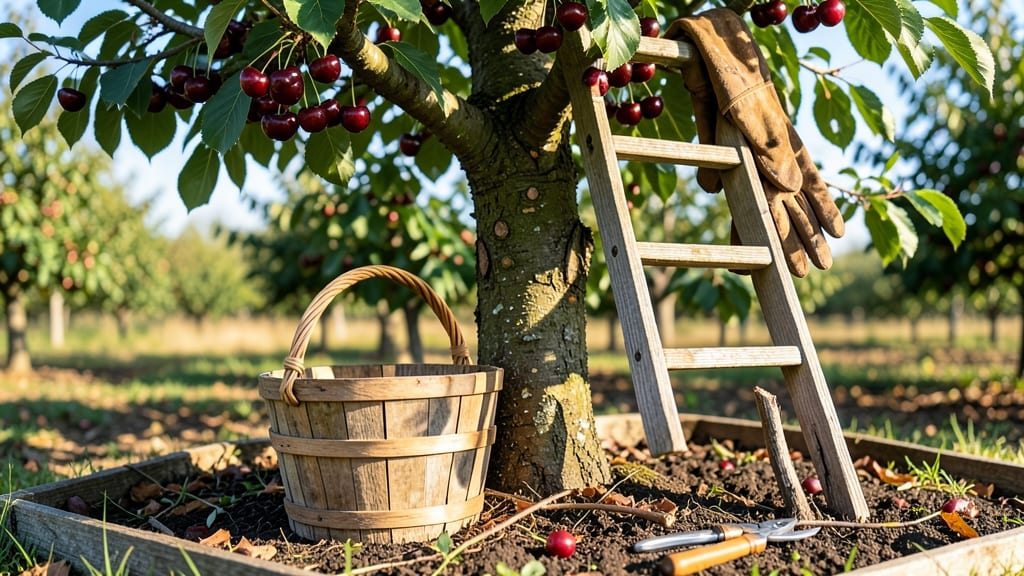
Mastering how to pick cherries from a tree means the difference between a bucket of sweet, juicy 🍒 and a pile of underripe or bruised fruit. Timing is everything—pick too early, and you’ll end up with tart, mealy cherries; wait too long, and they’ll burst or attract pests.
But with the right cues, you can transform your tree into a treasure trove of flavor.
Knowing when those dark red or black gems are ready to harvest isn’t just about color—it’s about texture, taste, and even the weather. A perfectly ripe cherry should yield slightly when gently pressed, snap cleanly from the stem, and smell sweetly fragrant.
Miss these signs, and you might as well be picking leaves.
Once you’ve nailed the timing, the next challenge is picking them without turning your harvest into a mushy mess. The right tools, gentle techniques, and smart storage can save you from wasted effort.
I’ll walk you through every step—from spotting the ideal moment to handling your cherries like a pro—so you can enjoy that fresh-from-the-tree taste all season long.
Whether you’re a first-time cherry picker or a seasoned gardener, these tricks will help you avoid common mistakes and make the most of your late spring to early summer harvest. Let’s get started!
When to pick cherries: the perfect ripeness timeline for juiciest fruit
Timing is everything when it comes to picking cherries. Harvest too early, and you’ll end up with sour, underdeveloped fruit—harvest too late, and you risk overripe, mushy cherries that fall apart.
The key is catching them at peak ripeness, when they’re bursting with flavor and perfect for eating fresh, freezing, or preserving.
Most sweet cherry varieties (like Bing, Rainier, or Stella) ripen between late May and early July, depending on your USDA hardiness zone and local climate. Tart cherries, such as Montmorency, typically mature a bit later, often in June or July.
Paying attention to color, firmness, and weather conditions will help you nail the perfect harvest window every year.
Before you climb that ladder, check these three critical ripeness cues to ensure your cherries are ready for picking. First, look for full, vibrant color—dark red, black, or yellow, depending on the variety.
Second, gently press a cherry; it should yield slightly but still feel firm. Finally, give the stem a gentle tug—if it snaps cleanly and the cherry doesn’t stay attached, it’s ready to pick.
| Ripeness Stage | Color Cues | Firmness Test | Stem Test | Best For |
|---|---|---|---|---|
| Unripe | Green or pale | Firm, no give | Stays attached | Wait 1-2 weeks |
| Perfectly Ripe | Deep red/black/yellow | Slightly soft, yields | Snaps cleanly | Fresh eating, freezing |
| Overripe | Dull, wrinkled | Mushy, leaks juice | Pulls off easily | Use for jam or discard |
Don’t ignore the weather forecast when planning your cherry harvest. Cool nights and warm days (ideal cherry-ripening conditions) sweeten the fruit faster. If a heatwave or rainstorm is predicted, pick your cherries a day early to avoid cracked skin or split fruit.
Conversely, if temperatures drop unexpectedly, wait a few days—the cherries may need extra time to ripen fully.
Regional differences play a huge role in cherry ripening. In warmer climates (Zones 8-9), cherries may ripen as early as April or May, while in cooler zones (5-7), you might not see ripe fruit until June or July.
For example, Pacific Northwest growers often harvest Bing cherries in late June, while Midwest gardeners might wait until early July.
Pro tip: Pick cherries on a dry, sunny morning when they’re cool and firm. This reduces the risk of bruising or splitting during handling. If you’re unsure whether your cherries are ready, pick a small sample first—taste one!
A perfectly ripe cherry should be bursting with sweetness and have just a hint of tartness, depending on the variety.
Watch for bird activity as another clue. While birds love cherries, their presence can signal ripening fruit. If you see robins or starlings flocking to your tree, it’s time to act fast—they’ll strip your tree in no time!
Use bird netting if you’re expecting a late harvest to protect your cherries until they’re fully ripe.
Finally, remember that cherries ripen unevenly on the tree. Some branches may produce ripe fruit a week before others, so plan to make multiple passes over a 10-14 day window. This ensures you don’t miss any peak-ripeness fruit while avoiding overripe messes.
Step-by-step cherry picking techniques to avoid bruising and waste
Picking cherries from your tree requires gentle hands and the right tools to avoid bruising those delicate fruits. Start by inspecting your tree for ready-to-pick cherries—look for clusters where the fruit is fully colored and slightly soft to the touch.
This ensures you’re harvesting at peak flavor and texture while minimizing waste.
Use a wide-mouth bucket or shallow container lined with a soft cloth or cardboard to catch cherries. Avoid plastic bins, as they can bruise fruit when dropped. Place the container on a sturdy ladder or stool to work at waist height, reducing strain on your back and arms.
🍒 Step-by-Step Cherry Picking Guide
- Soft cloth-lined bucket or shallow container
- Pruning shears or cherry picker (for high branches)
- Sturdy ladder or step stool
- Gloves (optional, for grip and protection)
- Check for full color and slight softness
- Gently pull to test stem detachment
- Avoid overripe or diseased fruit (look for cracks or mold)
- Support the branch with one hand while picking
- Use a twisting motion to snap stems cleanly
- Avoid yanking—this can damage the tree
- Place cherries directly into the container
- Avoid stacking—layer gently to prevent bruising
- Work in the shade to keep fruit cool
For high branches, use pruning shears or a cherry picker to avoid stretching or straining. Never climb the tree yourself—this risks injury and can damage the branches. If birds are a problem, harvest early in the morning when they’re less active, or use bird netting to protect your crop.
After picking, sort your cherries immediately. Remove any bruised, cracked, or underripe fruit to prevent spoilage. Store them in the refrigerator in a single layer on a paper towel-lined tray to maintain freshness and flavor for up to a week.
Pro tip: Harvest on a cool, overcast day to reduce stress on the tree and preserve cherry quality. Avoid picking during extreme heat or rain, as this can lead to bruising and faster spoilage.