
Vegetables
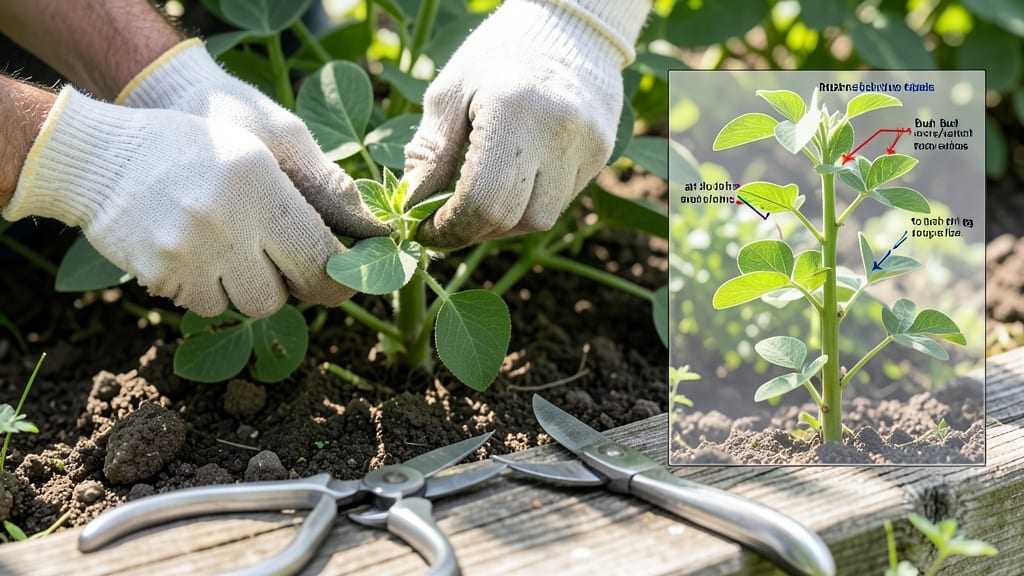
How to pinch out broad beans at the right moment turns scraggly plants into harvest powerhouses. 🌱 I learned the hard way—skipping this step meant fewer pods and leggy stems that flopped over by midsummer. The secret lies in timing and technique, and once you master it, your plants will reward you with bushier growth and more pods to pick.
You’ll need sharp scissors or clean fingers, a sunny morning for better visibility, and patience for the 3-5 minutes it takes per plant. The goal is simple: remove the growing tip (the topmost set of leaves) when the plant has 4-6 true leaves—usually about 4-6 weeks after germination.
This forces energy into side shoots where the pods form, not upward growth.
What you’ll end up with is a broad bean plant that looks like a miniature bush instead of a single stalk. Pods appear faster, and the plant stays compact enough to support its own weight.
My harvest doubled last season after I started pinching consistently—no fancy tools, just a quick trim at the right time.
Fair warning: the first time feels counterintuitive. You’re essentially "cutting off" growth, but trust the process. Avoid pinching too early (before true leaves appear) or too late (after flowering starts), and never remove more than the top set of leaves.
For beginners, mark plants with stakes so you don’t accidentally pinch the wrong ones—my neighbor’s beans looked like someone had given them a haircut!
📚 In This Guide
- What you need
- Instructions
- Tips and common mistakes
- Wrapping up and next steps
What you need
- ● Healthy broad bean plants: Mature plants with at least 4–6 true leaves (but not yet flowering heavily). Aim for 10+ plants if you’re working on a small garden patch.
- ● Sharp, clean pruning shears or scissors: Opt for bypass pruners (not anvil-type) to avoid crushing stems. Disinfect blades with rubbing alcohol before and after use.
- ○ Gloves (optional but recommended): Wear gardening gloves to protect your hands from thorns (if your variety has them) or rough stems.
- ● Water spray bottle or hose: A light misting helps reduce stress on the plant post-pinching.
- ● Garden twine or plant ties: Useful if you need to support pinched stems temporarily.
- ● Compost or fertilizer: A balanced 10-10-10 or organic option (like fish emulsion) to feed plants post-pinching for recovery.
- ● Notebook or app: Track pinching dates and plant responses for future reference!
- ○ Pruning sealant (optional): Helps prevent disease if you’re working in humid conditions.
Step-by-Step instructions for pinching out broad beans
Here's how to coax bushier plants and bigger harvests with just your fingers and a little timing.
🌱 Step 1: Identify the Right Growth Stage
Pinch out broad beans when they reach about 10-12 inches tall and have developed 4-6 true leaves. This is the critical window—too early and you stunt growth, too late and you miss the best opportunity for branching. Look for the main stem's top leaves forming a small cluster of buds or a tiny flower stalk.
Run your fingers gently down the stem to feel the leaf nodes. These are the spots where new branches will emerge if you remove the top growth. The plant should feel sturdy, not leggy or floppy. If you see the stem bending under its own weight, it's past the ideal stage.
✂️ Step 2: Locate and Remove the Terminal Bud
Find the very topmost set of leaves—they'll be smaller and tighter together than the lower ones. Just above this cluster, you'll see a single, tiny bud or a small stem sprout. This is the terminal bud, and removing it tells the plant to send out new growth from the leaf nodes below.
Use your thumb and forefinger to pinch this bud cleanly between them. Don't tear or crush the stem—aim for a sharp break. If you're unsure, snip with clean scissors just above a leaf node. You'll see tiny buds at these nodes that will soon become new branches.
🌿 Step 3: Monitor and Repeat for Bushier Plants
After pinching, water the base of the plant to reduce stress. Watch for new side shoots emerging from the leaf nodes below where you pinched. These should appear within 7-10 days. If they don't, your plant may need more sunlight or nutrients—broad beans thrive in full sun with well-draining soil.
Once these new branches reach 4-6 inches tall, pinch them back again using the same method. Repeat this process for any new terminal buds that form. You'll know you're doing it right when the plant looks fuller and more compact, with multiple stems bearing pods instead of one tall, skinny stalk.
💧 Step 4: Support and Maintain Growth
As the plant fills out, install 3-4 inch tall stakes or a small trellis to support the increased weight of pods. Tie the main stem loosely to the support with soft twine or plant ties. This prevents the plant from toppling over once it's producing a heavy harvest.
Continue regular watering—broad beans need 1-1.5 inches of water weekly, especially during pod formation. Avoid wetting the leaves when watering to prevent fungal diseases. You'll see the difference in your harvest within 3-4 weeks of proper pinching.
⏰ Step 5: Time Your Pinching for Peak Harvest
For the best results, pinch out broad beans in early spring when they're young and vigorous. Avoid pinching after they've already started flowering heavily—this can reduce your immediate harvest. Instead, let established plants focus on producing pods until they've set a good foundation of branches.
Here's the thing—broad beans are forgiving. Even if you miss the perfect timing, you can still pinch them back later. Just be prepared for a slightly smaller first harvest as the plant adjusts. The key is consistency: regular pinching leads to continuous side shoots and a longer harvest season.
Tips & tricks for pinching out broad beans
These simple tricks will help you transform leggy broad bean plants into bushy, productive powerhouses.
Timing Secret: The 10-12 inch height mark is your target, but don't rely solely on measurements—check for those tiny flower buds forming at the top. These indicate the plant is ready to branch out. I've found that plants in cooler climates often need a few extra days to reach this stage, so don't rush it. The key is to pinch when you see that first hint of flowering, not when you hit the measurement exactly.
Technique Tip: When pinching that terminal bud in Step 2, use a clean, sharp snip with scissors if you're nervous about pinching cleanly. The goal is to make a precise cut just above a leaf node—this is where those magical new branches will emerge. I've seen beginners accidentally pinch too low, which can damage the plant's growth potential. If you're unsure, count the nodes from the top down to find that perfect spot.
Monitoring Strategy: Those 7-10 days between pinching and new shoot emergence can feel like forever, but trust the process. Keep a small notebook by your plants to track when you pinched and when new growth appears—you'll start noticing patterns. I've noticed that plants in full sun with consistent watering (that 1-1.5 inches weekly) tend to respond faster with new shoots.
Support System: Don't wait until your plants are toppling over to install those 3-4 inch stakes! Set them up as soon as you see the first strong side shoots emerging. I use bamboo stakes because they're sturdy yet flexible enough to accommodate growth. The goal is to support the plant's newfound bushiness before the weight of pods becomes an issue. You'll thank yourself later when you're harvesting instead of propping up fallen plants.
Pro Tips for Pinch Out Broad Beans
- These simple tricks will help you transform leggy broad bean plants into bushy, productive powerhouses.
- Timing Secret: The 10-12 inch height mark is your target, but don't rely solely on measurements—check for those tiny flower buds forming at the top.
- Technique Tip: When pinching that terminal bud in Step 2, use a clean, sharp snip with scissors if you're nervous about pinching cleanly.
Frequently asked questions
Got questions about pinching out broad beans? You’re not alone—this technique can feel tricky at first! Here are answers to the most common queries to help you grow lush, productive plants with confidence.
When is the best time to pinch out broad beans?
Pinch out broad beans when they reach about 12–18 inches tall and the main stem has 4–6 true leaves. This usually happens 4–6 weeks after planting, depending on your climate. Wait until the plant is sturdy—don’t pinch too early, or you’ll stunt growth!
How do I know if I’ve pinched out correctly?
You’ve done it right if the main stem ends just above a set of leaves (where side shoots will sprout). Avoid cutting into the stem—just pinch or snip cleanly. If you see multiple strong side branches forming within 2 weeks, you’ve succeeded!
Can I pinch out broad beans in cold or hot weather?
Ideal temps for pinching are 50–75°F (10–24°C). Avoid doing it during heatwaves (plants stress easily) or freezing nights (growth slows). If your climate is extreme, pinch in early morning or late afternoon for better recovery.
What if I forget to pinch out my broad beans?
No worries! If you miss the window, your plants may still produce pods, but they’ll be taller and less bushy. To compensate, prune lower leaves to improve airflow and focus energy upward. Just don’t expect the same harvest volume as pinched plants.
Are there alternatives to pinching for bushier growth?
Yes! If you dislike pinching, try:
- Staking: Tie the main stem to a support to encourage upward growth and side shoots.
- Succession planting: Sow new seeds every 2–3 weeks for continuous harvests.
- Fertilizer tweaks: Use a low-nitrogen, high-phosphorus fertilizer to boost root and branch development.
Wrapping up and next steps
Mastering the art of pinching out broad beans is a game-changer for bountiful harvests! 🌱 With the right timing and technique, you’ll encourage bushier growth, more pods, and a healthier plant. Don’t let hesitation hold you back—grab those shears and give it a try!
Ready to take your gardening to the next level? Start experimenting with different pinching techniques or explore other pruning methods for your favorite veggies. Happy gardening—your future harvests will thank you! 🌟