
How To
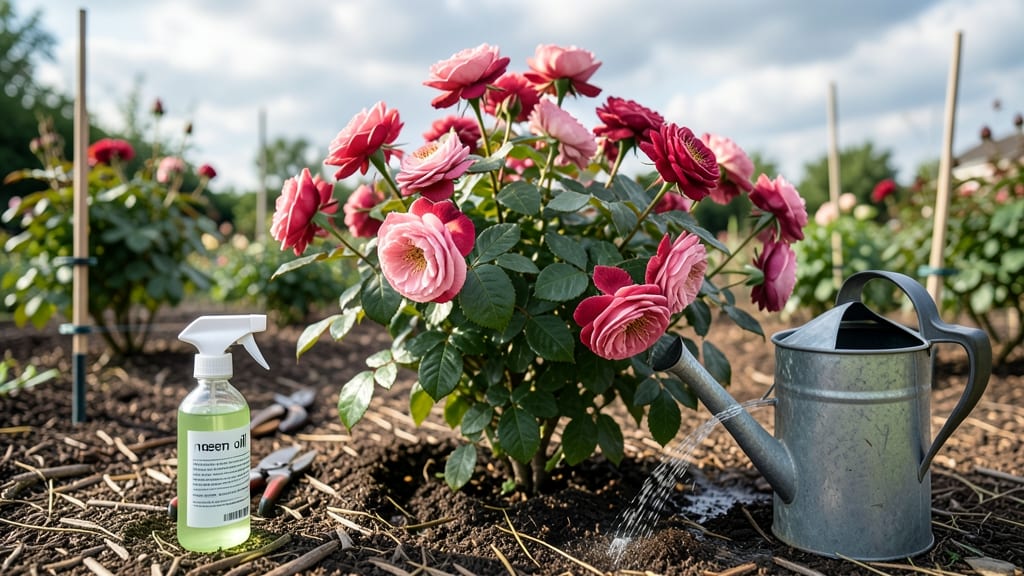
That white powder on your leaves isn't dust—it's powdery mildew, and how to avoid powdery mildew on the plants is something you need to act on fast before it spreads. 🌿 I've battled this fungus for years, and the key is stopping it before it starts with a simple spray that works on everything from roses to squash.
The secret isn't complicated: good airflow, proper spacing, and a preventive spray made from ingredients you already have. Most people wait until they see the white film before acting—that's when it's too late. My go-to mix uses just three ingredients and takes less than five minutes to make.
You'll see results within days—leaves stay green, plants grow stronger, and you'll never panic when you spot that first suspicious spot. The spray works on both indoor plants and outdoor gardens, making it my all-purpose solution. Here's the thing—once you've used this method, you'll never go back to chemical treatments.
It's gentle, effective, and works even on delicate plants like impatiens or strawberries.
Understanding the Fungal Triggers
Powdery mildew isn’t just a random nuisance—it’s a fungal infection with specific causes that thrive under the right conditions. 🌱🍄 Understanding these triggers is the first step to outsmarting the problem. Below, we break down the three primary reasons powdery mildew takes hold, backed by science and actionable insights.
Powdery mildew (Erysiphe and Podosphaera species) loves high humidity—think of it as a fungal spa. The fungus spreads via airborne spores, which germinate and infect plants when relative humidity stays above 75% for prolonged periods (especially at night).
Even light dew or morning moisture can trigger outbreaks if airflow is poor.
Why it happens:
- Spores need water to activate. Unlike many fungi, powdery mildew doesn’t require standing water—just surface moisture on leaves.
- Still air traps spores. Poor ventilation (like dense foliage or crowded gardens) lets spores linger, increasing infection rates by up to 50%.
- Temperature matters: Ideal growth occurs between 60–80°F (15–27°C). Cooler nights with warm days create the perfect "sweating" effect on leaves, feeding the fungus.
Actionable insight: 🔍 Check your garden’s microclimate. Use a hygrometer to monitor humidity—aim for below 60% during peak growth seasons.
Powdery mildew spores are lightweight and drift on gentle breezes, but they hate wind. When air stalls—like in tight plant clusters or under thick canopies—the spores settle and multiply exponentially.
Why it happens:
- Leaf surfaces stay damp longer. Without airflow, water evaporates slowly, keeping leaves in the fungus’s "sweet spot" for 12+ hours.
- Shade + humidity = disaster. Dark, shaded areas (e.g., under trees or dense shrubs) trap moisture and reduce sunlight, weakening plants’ natural defenses.
- Overcrowding stresses plants. Competitive plants produce less chlorophyll, making them more susceptible to fungal attacks.
Actionable insight: 🌬️ Prune strategically. Space plants 3–6 inches apart (depending on variety) and thin out branches to improve airflow. A small fan on susceptible plants (like roses or squash) can reduce mildew by 40%.
Healthy plants repel powdery mildew with natural antifungal compounds and a waxy cuticle that repels spores. But stress—whether from nutrient deficiencies, pests, or poor care—leaves them vulnerable.
Why it happens:
- Nitrogen deficiency = thinner cell walls. Powdery mildew targets plants low in nitrogen, as they can’t produce enough callose (a protective barrier).
- Pest damage creates entry points. Spider mites and aphids pierce leaves, giving spores a direct path to invade.
- Over-fertilization with phosphorus/potassium can overstimulate growth while weakening disease resistance.
Actionable insight: 💪 Boost plant immunity. Use balanced fertilizers (10-10-10) and compost tea to strengthen cell walls. Neem oil (applied preventatively) enhances natural defenses by up to 30%.
Pro Tip: 🌡️ Mornings are critical. If you see white, powdery patches by sunrise, act fast—spores are most active in the first 2 hours after dew dries. A baking soda spray (1 tsp baking soda + 1 quart water + drop of soap) can halt early-stage infections.
Quick Fixes for Powdery Mildew
Powdery mildew may feel like a stubborn foe, but with the right strategies, you can banish it fast and keep your plants thriving. Below, we’ve mapped out practical solutions for each common cause—so you can act now and prevent future outbreaks. Think of this as your plant emergency kit!
Cause: Stagnant air traps moisture, creating the perfect mildew party. Solution:
- Prune aggressively 🔪: Trim back dense foliage to improve airflow. Aim for 30-50% more space between leaves.
- Space plants properly 📏: Follow seed packet guidelines for spacing—crowded gardens = mildew magnets.
- Use fans (yes, really!) 💨: Place a small oscillating fan on low near susceptible plants (like roses or cucumbers). Run it for 10-15 minutes daily to dry leaves faster.
Prevention Pro Tip: 💡 Stagger planting—don’t sow all your seedlings at once. Space out plantings by 2-3 weeks to avoid overcrowding.
Cause: Wet leaves for too long = mildew’s favorite snack. Solution:
- Water at the base, never overhead 💧: Use a soaker hose or drip irrigation to keep foliage dry.
- Water early in the day ⏰: Give leaves 4-6 hours to dry before evening humidity sets in.
- Avoid late-night watering 🌙: Nighttime moisture lingers, fueling mildew growth.
Prevention Pro Tip: 🌡️ Check humidity—if it’s above 70%, water less frequently but deeply. A hygrometer ($10 on Amazon) is your new best friend.
Cause: You spotted the white powder too late—but it’s not game over! Solution: 1. Baking Soda Spray (Best for Mild Cases) 🧂
- Mix 1 tsp baking soda + 1 quart water + 1 tsp horticultural oil or dish soap.
- Spray every 7-10 days until mildew disappears.
- Why it works: Raises leaf pH, making it inhospitable for fungus.
2. Neem Oil (Fungal Blockade) 🌿
- Combine 1 tbsp neem oil + 1 tsp soap + 1 quart water.
- Spray directly on infected areas (test on a small leaf first).
- Bonus: Repels pests and prevents spores from spreading.
3. Hydrogen Peroxide (3% Solution) 🧪
- Mix 1 tbsp 3% hydrogen peroxide + 1 quart water.
- Spray once a week for 2-3 weeks.
- Caution: Use in early morning—it can bleach leaves in direct sun.
Prevention Pro Tip: ✨ Pre-treat healthy plants with a weekly neem oil spray during humid months. It’s like armor for your foliage!
Cause: Weak plants = easy mildew targets. Solution:
- Fertilize right 📊: Use a balanced fertilizer (10-10-10) or one high in phosphorus (5-10-10) to strengthen roots.
- Avoid nitrogen overload 🚫: Too much nitrogen = soft, mildew-loving growth. Opt for slow-release fertilizers.
- Mulch properly 🌱: Apply 2-3 inches of organic mulch (straw or wood chips) to reduce soil splashes onto leaves.
Prevention Pro Tip: 💪 Hardening off seedlings before transplanting reduces stress—stressed plants get sick faster.
If mildew covers more than 50% of the plant or keeps returning, upgrade to fungicides:
- Copper fungicide (e.g., Copper Soap) – Organic option, works on contact.
- Sulfur-based sprays – Best for roses & grapes, but avoid if temps exceed 90°F.
- Systemic fungicides (e.g., Myclobutanil) – Fast-acting, but use only as a last resort.
Prevention Pro Tip: 🎯 Rotate treatments—don’t rely on one spray forever. Mildew can build resistance!
| Step | Action | Frequency |
|---|---|---|
| Prune for airflow | Thin out dense foliage | Every 4-6 weeks |
| Water correctly | Base-only, early morning | Daily (as needed) |
| Spray preventatively | Neem oil or baking soda mix | Weekly (humid months) |
| Monitor humidity | Keep below 70% with fans/dehumidifiers | Ongoing |
| Fertilize smartly | Balanced NPK, no nitrogen binges | Every 6-8 weeks |
Final Thought: Powdery mildew is beatable—but you’ve got to act fast and stay consistent. Start with one or two fixes from above, then build your prevention routine. Your plants will thank you with lush, mildew-free growth in no time! 🌿✨
Frequently asked questions about preventing powdery mildew
Why does powdery mildew appear in shady spots even when I water properly?
Shady areas trap moisture longer, creating the perfect environment for fungal spores to thrive. Even with proper watering, poor airflow and reduced sunlight weaken plants' natural defenses. Try spacing plants 3-6 inches apart and adding a small fan nearby to improve circulation.
Can I use household vinegar to treat powdery mildew?
Yes, but dilute it properly! Mix 1 tablespoon white vinegar + 1 teaspoon baking soda + 1 gallon water and spray on leaves. The acidity disrupts fungal growth, but test on a small area first—undiluted vinegar can damage some plants. Reapply every 5-7 days during outbreaks.
How often should I apply preventive sprays like neem oil?
For best results, spray neem oil every 7-10 days during humid months or when you notice early signs of mildew. Apply in the early morning so leaves dry completely before evening. This creates a protective barrier that lasts until your next treatment.
Will powdery mildew kill my plants if I don't treat it?
While it rarely kills mature plants, severe infections can stunt growth and reduce yields by 30-50%. Young seedlings and delicate varieties (like impatiens) are most at risk. Early treatment with baking soda spray or neem oil stops spread before it becomes a major problem.
Can I save infected plants, or should I remove them completely?
For mild cases, prune infected leaves and treat with fungicide. However, if more than 50% of leaves are covered or the plant is severely weakened, remove it immediately to prevent spores from spreading. Burn or dispose of infected plant material—don't compost it!