
How To
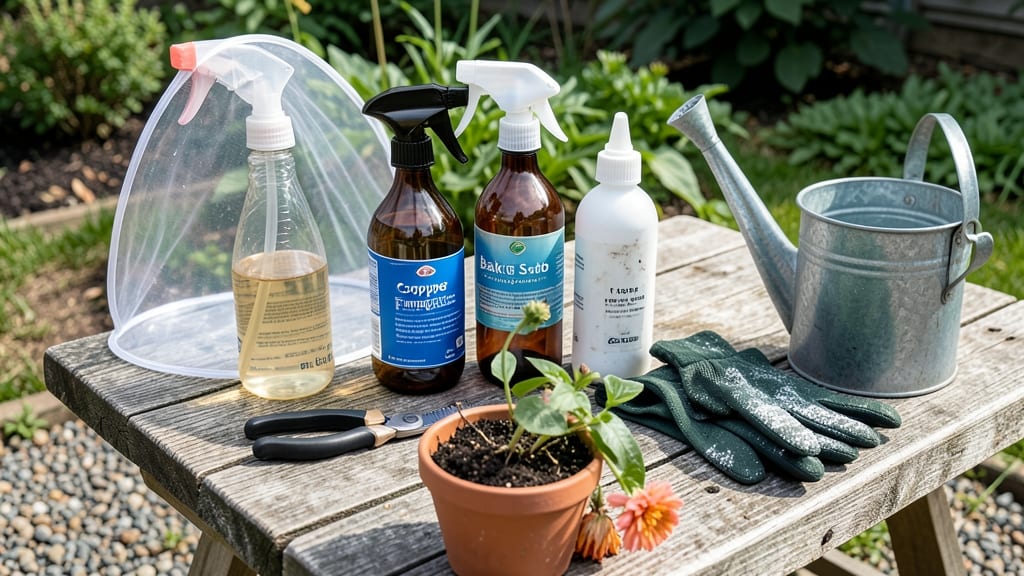
That white dust on your zinnias isn’t just unsightly—how to get rid of powdery mildew on zinnias is all about acting fast. 🌱 I’ve lost entire zinnia beds to this stubborn fungus, but I’ve also learned the boiling water barrier trick that smothers spores in hours, not weeks.
Most gardeners reach for sprays first, but mildew thrives in crowded, humid conditions. The real fix? Prune for airflow, water at the base (never overhead), and remove infected leaves immediately. My zinnias bounce back within 3-5 days when I catch it early.
Here’s the game-changer: boil a pot of water, let it cool slightly, then pour it directly onto the soil around infected plants. The heat kills spores before they spread. It’s brutal but fast and organic—no harsh chemicals needed.
Prevention is even simpler: space plants 12-18 inches apart, avoid overhead watering, and spray with baking soda mix (1 tsp per quart of water) every 2 weeks. Your zinnias will stay bold, healthy, and mildew-free all season.
Root Causes Of Fungal Spread
Powdery mildew on zinnias isn’t just a random bad luck scenario—it’s a fungal party 🎉 triggered by specific conditions. Understanding these causes helps you block the invitation before the spores throw their first rave on your plants. Let’s break down the real culprits behind this pesky problem.
Powdery mildew thrives in warm, humid conditions (ideal range: 60–80°F / 15–27°C with high humidity). Here’s why:
- Slow air circulation: Stagnant air traps moisture near leaves, creating a damp microclimate. Zinnias with dense foliage or crowded plantings are especially vulnerable.
- Nighttime dew: When warm days meet cool nights, dew forms on leaves, providing a 24-hour water buffet for fungal spores.
- Poor ventilation: Greenhouses, shaded areas, or tight garden beds with little airflow amplify the problem.
Actionable insight: If your zinnias are in a low-light spot or a greenhouse, increase airflow with fans or strategic pruning to let light and air move freely.
Watering zinnias from above isn’t just inefficient—it’s a direct invitation for powdery mildew. Here’s how:
- Foliar moisture: Water droplets linger on leaves, dissolving fungal spores and spreading them like a liquid stencil.
- Wet leaves at night: Cool, damp leaves create the perfect 48-hour window for spores to germinate and colonize.
- Splash dispersion: Soil-borne spores hitchhike on water splashes, infecting lower leaves first before creeping upward.
Pro tip: Always water at the base of the plant in the morning. If you must water leaves (e.g., for dust control), do it early in the day so foliage dries within 4–6 hours.
Zinnias under stress are like open doors for powdery mildew. Common stressors include:
| Stress Factor | How It Helps Mildew |
|---|---|
| Nutrient deficiencies (e.g., low nitrogen or phosphorus) | Weakens cell walls, making leaves easier targets for fungal penetration. |
| Overcrowding (plants too close together) | Reduces airflow, traps humidity, and blocks sunlight—ideal mildew conditions. |
| Improper pruning (leaving dead/diseased leaves) | Dead tissue harbors spores and spreads them to healthy growth. |
| Soil compaction or poor drainage | Root stress limits nutrient uptake, weakening the plant’s defense system. |
Fix it: Space zinnias 12–18 inches apart, prune regularly to improve airflow, and test soil pH (ideal: 6.0–7.0). A balanced fertilizer (e.g., 10-10-10) can boost resilience.
Powdery mildew spores are persistent survivors. They can:
- Linger on dead plant debris for months, waiting for the right conditions to reactivate.
- Hitchhike on tools, clothing, or wind from infected plants to healthy ones.
- Overwinter in soil or mulch, ready to pounce the next growing season.
Break the cycle: Remove all infected plant material (don’t compost it!) and sterilize tools with a 1:10 bleach-water solution. Rotate crops yearly to starve residual spores.
Now that you know the why, the next step is how to stop it—and the boiling water barrier method is your secret weapon. Stay tuned!
Quick Fixes for Powdery Mildew
Powdery mildew on zinnias might feel like a losing battle, but with the right strategies, you can reverse the damage and protect your blooms. Below, we’ve mapped out practical solutions based on the root causes—whether it’s humidity, poor airflow, or overcrowded plants.
Each fix is designed to be easy, effective, and zinnia-friendly so you can get your garden back to its vibrant best.
Powdery mildew thrives in tight, damp spaces where spores can’t dry out. If your zinnias are packed too closely, spores spread like wildfire.
How to Fix It: ✅ Thin Out Plants – Snip or transplant excess zinnias to 3–4 inches apart (check your variety’s spacing needs). This lets air circulate and sunlight reach all leaves. ✅ Prune Strategically – Trim overlapping foliage (especially lower leaves) to improve airflow. Use clean, sharp shears to avoid spreading spores. ✅ Space Out Watering – Water early in the day (before 10 AM) so leaves dry quickly. Avoid overhead sprinklers—drip irrigation or soaker hoses work best.
💡 Pro Tip: If you’re growing zinnias in containers, space pots 12+ inches apart and elevate them slightly for better drainage.
Zinnias hate soggy conditions, and high humidity gives powdery mildew the perfect breeding ground.
How to Fix It: ✅ Improve Drainage – Ensure pots have drainage holes and garden beds aren’t waterlogged. Amend heavy soil with compost or perlite to help it dry faster. ✅ Mulch Correctly – Use 2–3 inches of organic mulch (like straw or shredded leaves), but keep it 1–2 inches away from stems to prevent moisture buildup. ✅ Adjust Watering – Let the top inch of soil dry out between waterings. Stick your finger in the soil—if it’s damp, wait a day. ✅ Morning Mist? No Thanks – If you live in a humid climate, avoid misting zinnias or watering late in the day.
🌡️ Quick Humidity Hack: Place a small fan on low near your zinnias (or rotate pots daily) to keep air moving.
If mildew has already taken hold, boiling water is a brutal but effective way to kill spores on contact—no chemicals needed!
How to Fix It: 🔥 Gather Your Tools:
- A kettle or pot of boiling water
- Protective gloves & goggles (safety first!)
- A small watering can or spray bottle (optional, for follow-up)
👨🍳 Step-by-Step Treatment:
- Boil 1–2 cups of water per infected plant.
- Pour slowly over affected leaves and stems, focusing on white powdery spots.
- Work quickly—the water should steam and kill spores on contact.
- Repeat every 3–5 days until new growth is mildew-free.
⚠️ Caution: Only use this on mature zinnias—young or tender plants may scorch. Test a small area first!
Once you’ve tackled the mildew, keep it from coming back with these low-effort, high-impact tricks.
How to Prevent It: 🌱 Choose Resistant Varieties – Some zinnias (like ‘Benary’s Giant’ or ‘Crystal’) are naturally more mildew-resistant. Check seed packets! 🍄 Neem Oil Spray – Mix 1 tsp neem oil + 1 tsp mild soap + 1 quart water, spray every 7–10 days as a preventive. 🌿 Companion Planting – Surround zinnias with marigolds, basil, or garlic—their strong scents deter fungal spores. 🌞 Maximize Sunlight – Powdery mildew hates UV rays. Ensure zinnias get 6+ hours of direct sun daily.
💡 Bonus: Rotate crops—don’t plant zinnias in the same spot next year to break the mildew cycle.
If mildew keeps returning despite your best efforts, a targeted fungicide can be a game-changer.
How to Fix It: 💊 Pick the Right One:
- Baking Soda Spray (mild): Mix 1 tbsp baking soda + 1 tsp soap + 1 gallon water. Spray every 7 days.
- Copper Fungicide (stronger): Follow label instructions—reapply every 10–14 days.
- Sulfur-Based Sprays (organic): Best for dry, warm climates (avoid if temps exceed 85°F).
✨ Pre-Treatment Tip: Always trim infected leaves before spraying to improve coverage.
Final Thought: Powdery mildew on zinnias is beatable—just act fast, improve airflow, and smother those spores before they spread. With these fixes, your zinnias will be blooming beautifully in no time! 🌸
Frequently asked questions
Can I use vinegar to treat powdery mildew on my zinnias?
Yes, but with caution! A 1:1 vinegar-water mix (1 part white vinegar to 1 part water) can help, but avoid spraying directly on leaves—it can cause burns. Instead, apply it to the soil around plants or use a 1:3 dilution (1 part vinegar to 3 parts water) for foliar sprays. Always test on a small area first.
How often should I apply the boiling water treatment?
Apply the boiling water method every 3-5 days until you see new, mildew-free growth. Stop once the infected leaves have fallen off naturally or been pruned away. This aggressive approach works best in short bursts to avoid shocking the plants. Repeat if mildew reappears after rain or high humidity.
Will powdery mildew kill my zinnias if I don’t treat it?
Not immediately, but severe infections can weaken plants, reduce flowering, and make them more susceptible to other diseases. While zinnias are hardy, chronic mildew stress can lead to stunted growth or even plant death in extreme cases. Early treatment is key to preserving your blooms!
Can I save seeds from zinnias affected by powdery mildew?
No, you should discard seeds from infected zinnias. The fungus can survive in seed coatings and reinfect next year’s plants. Always remove all infected plant material (including seed heads) and sterilize your tools to prevent spread.
What’s the best time of day to water zinnias to prevent mildew?
Water zinnias early in the morning (before 10 AM) to give leaves plenty of time to dry. Avoid evening watering, as wet foliage overnight creates perfect conditions for mildew spores. If you must water in the evening, use a soaker hose at the base of plants.