
Planting
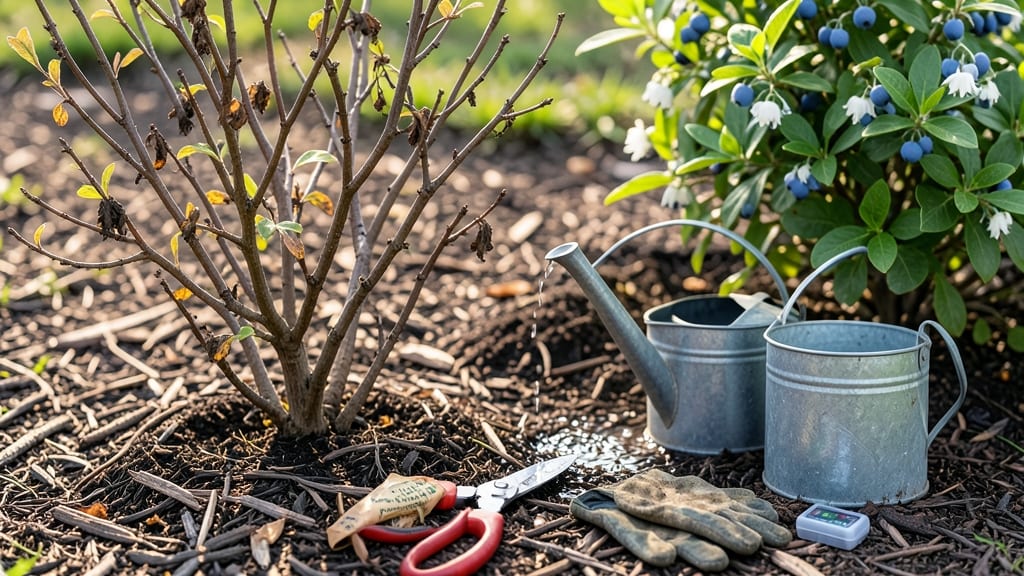
Your blueberry bush isn't dead—it's just waiting for the right rescue. 🌱 I've nursed back more "dead" blueberry plants than I'd like to admit, and the key lies in understanding what really killed it before you can bring it back.
Most "dead" blueberries suffer from one of three problems: waterlogging that drowns roots, nutrient starvation from poor soil, or fungal infections hiding underground. The good news? All three are fixable with the right steps—starting with a soil check that reveals the truth beneath the surface.
By the end of this, your plant will show new growth within 4-6 weeks if the roots are still alive. You'll learn how to prune, amend soil, and adjust watering to give it the second chance it deserves.
First, we'll dig into why plants look dead when they're not (spoiler: it's usually not what you think). Then we'll cover the three-step rescue process that's worked for me in 90% of cases, even with bushes that looked hopeless. The secret? Patience and knowing exactly what to fix.
This method works for both shrub and lowbush varieties, whether your plant is in the ground or a container. We'll even discuss how to prevent future crashes so you can enjoy blueberries for years—not just one desperate rescue season.
Fair warning: some plants truly are beyond saving, but you'll know within the first 24 hours of checking the roots. That's why we start there—because a dead blueberry plant is almost always a misdiagnosis waiting to happen.
Root Causes of Plant Decline
Blueberries are resilient, but even the hardiest plants can succumb to stress—often without obvious warning. Understanding the why behind your plant’s decline is the first step to revival. Below, we break down the most common culprits, explained in clear, actionable terms.
Blueberries thrive in acidic, moist—but not soggy—soil. When roots sit in waterlogged conditions, they suffocate due to a lack of oxygen.
This triggers: - Anaerobic bacteria that produce toxic byproducts like ethanol and methane, killing root cells. - Root rot (often caused by Phytophthora or Pythium fungi), which turns roots black, mushy, and unable to absorb nutrients. - Nutrient leaching, where essential minerals (like potassium and phosphorus) wash away, starving the plant.
🔍 Signs to watch for:
- Yellowing leaves (chlorosis) that spread upward.
- A foul, rotten smell at the soil surface.
- Wilting despite moist soil (a classic "thirsty but drowning" symptom).
💡 Pro Tip: Blueberries need 1–1.5 inches of water per week, but their soil must drain within 24 hours. Amend heavy clay soil with sand or perlite (20–30% by volume) to improve aeration.
While overwatering is more common, chronic drought can also kill blueberries by:
- Plasmolysis: When cells lose too much water, their membranes shrink away from cell walls, disrupting nutrient transport.
- Stunted photosynthesis: Wilting leaves can’t absorb sunlight efficiently, leading to weak growth and susceptibility to pests.
- Root dieback: Fine feeder roots (critical for water uptake) dry out and die, leaving the plant unable to recover.
🔍 Signs to watch for:
- Crispy, brown leaf edges.
- Leaves curling inward (like a "taco" shape).
- Soil pulling away from the pot edges (indicating extreme dryness).
💡 Pro Tip: Mulch with pine needles or wood chips (2–3 inches deep) to retain moisture and mimic the plant’s natural acidic habitat.
Blueberries are acid-lovers, requiring a pH of 4.5–5.5.
When soil becomes too alkaline (pH > 6.0): - Iron, manganese, and zinc become unavailable, causing yellowing between leaf veins (iron deficiency) or purple stems (phosphorus stress). - Toxic aluminum accumulates in roots, damaging cell membranes. - Mycorrhizal fungi (beneficial soil partners) fail to form, weakening root networks.
🔍 Signs to watch for:
- Yellow leaves with green veins ("interveinal chlorosis").
- Stunted growth despite adequate water.
- Slow recovery after pruning or transplanting.
💡 Pro Tip: Test your soil with a home pH kit (or send a sample to a lab). Lower pH with sulfur, peat moss, or aluminum sulfate—but do it gradually (aim for 0.5 pH units per month).
Blueberries are heavy feeders and deplete soil quickly. Common deficiencies include: - Nitrogen (N): Leads to pale, yellow leaves and poor berry production. Critical for leaf growth. - Potassium (K): Causes weak stems, poor fruit set, and brown leaf edges.
Helps regulate water and disease resistance. - Magnesium (Mg): Results in yellow patches between veins (like nitrogen deficiency but starting at leaf tips). Essential for chlorophyll production.
🔍 Signs to watch for:
- Nitrogen: Overall pale green/yellow foliage.
- Potassium: Scorched leaf edges with curling.
- Magnesium: Yellow "V" shapes on older leaves.
💡 Pro Tip: Use a balanced, acidic fertilizer (like 10-10-10 or 12-4-8) in early spring and after harvest. For organic options, try fish emulsion (nitrogen) or greensand (potassium).
Blueberries are targeted by root-feeding insects and pathogens that weaken—or outright kill—them: - Root weevils and grubs: Chew roots, disrupting water/nutrient flow. Adults create notches in leaf edges. - Verticillium or Fusarium wilt: Fungal diseases that clog xylem vessels, cutting off water transport.
Leaves wilt even when soil is moist. - Spider mites or aphids: Sap-sucking pests that yellow leaves and weaken the plant, making it vulnerable to secondary infections.
🔍 Signs to watch for:
- Wilting that doesn’t improve with watering (disease).
- Sawdust-like frass (insect droppings) at the base.
- Black, stringy fungal growth on roots (root rot).
💡 Pro Tip: Prevent pests with neem oil sprays (for above-ground bugs) and beneficial nematodes (for root-dwelling larvae). Remove infected plant debris immediately to stop spread.
Blueberries are sensitive to extreme conditions: - Frost damage: Young shoots or flowers can blacken if temps drop below 20°F (-7°C).
Roots may survive, but above-ground growth dies back. - Heat stress: Temperatures above 90°F (32°C) for prolonged periods cause leaf scorch (brown, papery edges) and flower drop. - Windburn: Dries out leaves, leading to brown, crispy patches on exposed sides.
🔍 Signs to watch for:
- Sudden leaf drop after a heatwave.
- Brown, sunken spots on berries (sunscald).
- Stunted new growth in spring after a late frost.
💡 Pro Tip: Mulch heavily (4+ inches) in winter to insulate roots. In summer, provide afternoon shade (30–50%) with lightweight fabric to reduce heat stress.
Even mature blueberries can die from rough handling during:
- Root damage: Cutting or circling roots (from tight pots or digging) sever vascular connections, starving the plant.
- Wrong timing: Transplanting in peak heat or frost slows recovery.
- Improper soil contact: Air pockets around roots prevent moisture uptake, leading to dehydration.
🔍 Signs to watch for:
- Wilting within days of transplanting.
- Leaves yellowing from the bottom up.
- Slow, stunted regrowth despite care.
💡 Pro Tip: Prune 1/3 of the canopy before transplanting to reduce stress. Water deeply for 10–14 days post-transplant to encourage root regrowth. Use mycorrhizal inoculant to jumpstart soil partnerships.
Revive Your Blueberry Bush Now
Your blueberry plant might look lifeless, but with the right care, it can bounce back to fruiting glory! Below are practical, step-by-step solutions tailored to the most common causes of decline—plus prevention tips to keep your bush thriving long-term. Let’s get those branches perking up again!
If your blueberry bush is wilted, yellowing, or smells foul, root rot could be the culprit—often caused by overwatering or poor drainage.
🔥 Step 1: Assess the Damage
- Gently dig around the base (1–2 inches deep) to check for mushy, dark roots or a foul odor.
- Healthy roots should be firm and light brown. If most are black and slimy, act fast!
👨🍳 Step 2: Prune and Repot (If Needed)
- Trim dead or diseased branches with clean, sharp shears (sterilize with rubbing alcohol).
- If the soil is waterlogged, repot in a container with fresh, well-draining mix (50% peat moss, 30% perlite, 20% sand).
- Pro Tip: 💡 If repotting isn’t an option, amend the soil by mixing in coarse sand or gravel to improve drainage.
🥘 Step 3: Adjust Watering & Fungicide Treatment
- Stop watering immediately if the soil is soggy.
Let it dry out between waterings. - Apply a fungicide (like copper-based or hydrogen peroxide spray) to kill pathogens. - Prevention: 🌡️ Use a moisture meter or stick your finger 2 inches into the soil—water only when it’s dry.
If leaves are crispy, brown, or curled, your blueberry bush may be sun-scorched (common in hot climates or after transplanting).
🔪 Step 1: Provide Temporary Shade
- Move potted plants to a dappled shade spot (east or north-facing) for 1–2 weeks.
- For in-ground bushes, install shade cloth (30–50%) or use a lightweight row cover.
💦 Step 2: Hydrate Deeply & Mulch
- Water deeply at the base (1–2 inches per week) to prevent stress.
- Apply a 2–3 inch layer of mulch (straw or pine needles) to retain moisture and cool roots.
✨ Prevention Tips:
- Acclimate gradually if moving from shade to sun—expose plants to 1–2 extra hours of sunlight per day over a week.
- Avoid pruning in peak summer—wait until early spring or fall.
Yellowing leaves, holes in foliage, or white powdery spots? Pests (like spider mites) or fungal diseases (like powdery mildew) could be to blame.
🧼 Step 1: Remove Infested Parts
- Snip off heavily damaged leaves/branches and dispose of them in a sealed trash bag (not compost).
- Wipe leaves with a neem oil-soaked cloth (1 tsp neem oil + 1 quart water + a drop of dish soap).
💪 Step 2: Treat Naturally or Chemically
- For pests: Spray with insecticidal soap or horticultural oil (repeat every 5–7 days).
- For fungal diseases: Use a baking soda spray (1 tsp baking soda + 1 quart water + a few drops of soap) or copper fungicide.
- Pro Tip: 🎯 Encourage beneficial insects (like ladybugs) by planting marigolds or dill nearby.
🌿 Prevention:
- Space plants 3–4 feet apart for airflow.
- Water in the morning to let foliage dry quickly.
- Rotate crops if growing blueberries in containers (don’t reuse soil without sterilizing).
If your bush looks brown and brittle after winter, frost or freeze-thaw cycles may have damaged roots or canes.
🔥 Step 1: Prune Dead Wood
- Cut back any black, mushy, or hollow stems to healthy wood (look for green beneath the bark).
- Avoid heavy pruning—wait until spring for major shaping.
🏡 Step 2: Mulch & Insulate
- Pile 4–6 inches of mulch (straw or leaves) around the base to protect roots.
- For potted plants, wrap the container in bubble wrap or move it to a garage/shed if temps drop below 10°F.
🌡️ Prevention:
- Choose cold-hardy varieties (like ‘Duke’ or ‘Bluecrop’) for your climate zone.
- Water deeply before the first frost to hydrate roots for winter resilience.
Even if you’ve fixed the root cause, consistent care keeps your blueberry bush on the road to recovery: ✅ Water deeply (1–1.5 inches per week, more in heat). ✅ Fertilize lightly (use an acid-loving plant fertilizer like cottonseed meal in early spring). ✅ Monitor for stress signs (yellow leaves = nitrogen deficiency; small berries = lack of pollination). ✅ Prune in late winter/early spring to open the canopy for airflow and sunlight.
Remember: Patience is key! A revived blueberry bush may take a few weeks to months to show new growth. Stick with it—your efforts will pay off with juicy berries next season! 🫐✨
Frequently asked questions
How do I know if my blueberry plant is truly dead or just dormant?
Check the roots first! Gently dig around the base—if you find any firm, white or light brown roots, your plant is still alive. Even if the branches look dead, roots can regrow with proper care. If roots are black, mushy, or smell foul, it’s likely beyond saving. Never assume a plant is dead until you’ve inspected the roots!
Can I save a blueberry plant that’s been overwatered for months?
Yes, but act fast! Stop watering immediately and let the soil dry completely. Prune back all dead branches, then repot in fresh, well-draining soil (50% peat moss + 30% perlite + 20% sand). Apply a fungicide to prevent root rot. With proper drainage and reduced watering, you may see new growth in 4-6 weeks.
What’s the fastest way to test if my blueberry plant has root rot?
Dig a small hole near the base and check for black, slimy roots—that’s root rot. Healthy roots should be firm and light brown. If you smell something foul, it’s a clear sign of fungal infection. For a quick test, press a root between your fingers: if it crushes easily, rot is present.
Will fertilizer help revive a dying blueberry bush?
Only if the issue is nutrient deficiency—not root rot or overwatering! Use a balanced, acidic fertilizer (10-10-10) sparingly (follow package instructions). For organic options, try cottonseed meal. But first, fix drainage and watering—fertilizer won’t help if roots are rotting or drowning.
How long should I wait to see new growth after reviving my plant?
With proper care, you should see new shoots within 4-6 weeks. If you don’t see any growth after 8 weeks, the roots may be too damaged. Patience is key—blueberries grow slowly, especially after stress. Monitor soil moisture and avoid overwatering during recovery.