
Companion Plants
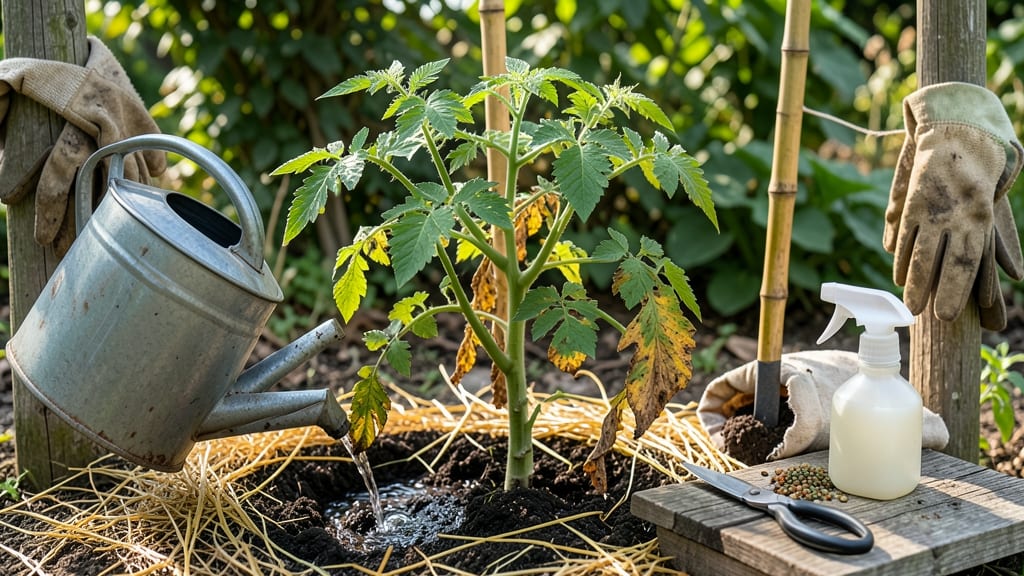
Your tomato plants don’t have to be a lost cause—how to bring them back to life is simpler than you think. 🌱 That drooping foliage can bounce back faster than you think—often within 3 days—with the right diagnosis and care.
I’ve nursed back more tomato plants than I can count, and the secret isn’t luck; it’s knowing what’s really wrong and acting fast. The first step is identifying the problem: is it thirsty roots, too much water, pests, or something else? Yellow leaves?
Check the soil moisture. Brown spots? Look for pests or disease. Wilting in the heat? That’s a different fix entirely. Most issues start with one of these three: water, nutrients, or stress. Once you pinpoint the cause, you can reverse it.
By the end of this process, your plants will be standing tall again, with new growth pushing through. The key is acting within 24-48 hours—the sooner you intervene, the better the comeback. And don’t worry, even the most neglected plants can turn things around with the right care.
This method works for both container and in-ground tomatoes, and it’s just as effective for heirlooms as it is for hybrids. Let’s get those plants thriving again—no matter how bad they look right now.
Root Causes Of Plant Decline
Tomato plants are hardy, but even the toughest can succumb to stress—often silently. Understanding the why behind wilting, yellowing, or stunted growth is the first step to revival. Below, we break down the most common culprits, backed by science, so you can diagnose—and fix—what’s ailing your plants.
Tomatoes thrive on consistency, but too much water (or the wrong kind) can drown roots. Here’s how it happens:
- Waterlogged Soil: Roots need oxygen. When soil stays soggy for days, they suffocate, leading to anaerobic conditions—a root’s worst nightmare.
This triggers ethylene gas buildup, signaling the plant to wilt as a survival tactic. - Compacted or Clay Soil: Heavy soils trap water like a sponge, cutting off airflow.
Without proper drainage, roots rot within 24–48 hours of overwatering. - Overhead Watering: Wet foliage invites fungal diseases (like early blight), clogging stomata (leaf pores) and blocking gas exchange. The plant gasps for air—literally.
🔍 Quick Test: Stick your finger 2 inches into the soil. If it’s damp, wait. If it’s muddy, your plant is drowning.
On the flip side, skipping water entirely (or relying on sporadic rains) stresses tomatoes faster than you’d think. Here’s the science:
- Wilting as a Warning: Tomato leaves wilt to reduce water loss via transpiration. If ignored, cells collapse, and the plant can’t recover without hydration. - Root Shriveling: Without moisture, roots shrink and die back, reducing the plant’s ability to absorb water or nutrients.
Permanent damage occurs in 3–5 days of drought. - Blossom End Rot: Even if leaves look okay, underwatering (or uneven watering) triggers calcium deficiency in fruits, causing those infamous black bottoms.
💡 Pro Tip: Water deeply 1–2 times per week (more in heatwaves) at the base, not the leaves. Mulch with straw to lock in moisture.
Tomatoes are heavy feeders, and deficiencies show up fast. Here’s what’s missing—and why:
| Symptom | Likely Deficiency | Why It Happens |
|---|---|---|
| Yellow lower leaves | Nitrogen (N) | Soil depletion or poor organic matter. N fuels leaf growth—without it, old leaves turn yellow. |
| Purple stems/leaves | Phosphorus (P) | Cold soil or over-fertilizing with N. P helps energy transfer; stress shows as purple. |
| Weak stems, small fruit | Potassium (K) | Leaching from heavy rain or sandy soil. K strengthens cell walls—without it, plants flop. |
| Yellow veins, pale leaves | Magnesium (Mg) | Overwatering washes it away. Mg is in chlorophyll—deficiency = yellow between veins. |
⚠️ Warning: Over-fertilizing (especially with synthetic N) can burn roots, causing wilting. Test soil pH (ideal: 6.0–6.8)—too acidic or alkaline locks out nutrients.
Invisible invaders can sap a tomato’s strength overnight. Common culprits:
- Aphids/Spider Mites: These suck sap, causing leaves to curl, yellow, or drop. They also spread viral diseases like mosaic virus, which stunts growth permanently. - Fungal Infections (Early Blight, Fusarium Wilt): - Early Blight: Brown spots with yellow halos?
Fungal spores thrive in wet foliage, clogging stomata and blocking photosynthesis. - Fusarium Wilt: Wilting that starts in one branch and spreads?
This soil-borne fungus blocks water transport in roots, and there’s no cure—only prevention (sterilize soil, rotate crops). - Root-Knot Nematodes: Microscopic worms that feed on roots, causing gnarled, stunted growth. Infested plants wilt even when watered.
🛡️ Defense: Inspect leaves daily for holes, webbing, or spots. Use neem oil (for pests) or copper fungicide (for blight) at the first sign.
Tomatoes are heat-loving but hate extremes. Sudden changes trigger shock:
- Heat Stress: Temperatures above 90°F (32°C) cause blossom drop and leaf scorch. Stomata close to conserve water, but the plant can’t photosynthesize—leading to rapid wilting. - Cold Shock: Below 50°F (10°C), tomato metabolism slows.
Roots stop absorbing water, and leaves turn black or mushy (like a bruise). - Wind Burn: High winds desiccate leaves, causing crispy edges. Young plants are especially vulnerable.
🌡️ Fix It: Use shade cloth in heatwaves, row covers for cold snaps, and stake plants to prevent wind damage.
Even mature tomato plants struggle after moving. Here’s the science:
- Root Trauma: Disturbing roots (even gently) severs mycorrhizal fungi—beneficial microbes that help absorb water and nutrients. Without them, plants wilt for 1–2 weeks while regrowing roots. - Soil Mismatch: Sudden changes in pH, texture, or fertility cause nutrient uptake failure.
For example, moving from rich compost to sandy soil = instant stress. - Timing: Transplanting during hot afternoons or cold nights adds shock. Roots need stable temps (60–85°F / 15–29°C) to recover.
⏳ Recovery Time: Most plants bounce back in 7–10 days if given consistent water and light shade post-transplant.
Quick Fixes for Wilted Tomatoes
When your tomato plants look like they’ve thrown in the towel, don’t panic—many issues are reversible with the right care. Below, we map common causes to simple, actionable fixes, plus pro tips to keep your plants thriving long-term. Think of this as your emergency first-aid kit for tomato plants!
Signs: Yellowing leaves, mushy stems, soil that smells sour or moldy.
How to Fix It:
- 🔥 Step 1: Stop Watering Immediately Let the top 2–3 inches of soil dry out completely before watering again. Overwatering suffocates roots and invites fungal diseases like Fusarium wilt.
- 🍳 Step 2: Improve Drainage If your pots lack drainage holes, transfer the plant to a new container with holes. For in-ground plants, amend the soil with perlite or coarse sand (1 part perlite to 3 parts soil) to aerate it.
- 👨🍳 Step 3: Repot (If Needed) If roots are rotting, gently remove the plant, trim away black/mushy roots with sterilized scissors, and repot in fresh, well-draining potting mix.
💡 Prevention Tips:
- Water deeply once or twice a week (depending on climate) rather than daily shallow watering.
- Use a moisture meter to check soil hydration—aim for 40–60% moisture.
- Elevate pots on feet or saucers to prevent water pooling.
Signs: Crispy leaf edges, wilting that worsens in the afternoon, dry soil pulling away from pot sides.
How to Fix It:
- 🥘 Step 1: Hydrate Deeply Water until it flows out the drainage holes (for pots) or seeps 6–8 inches into the ground. Use lukewarm water to avoid shocking roots.
- 🔪 Step 2: Prune Damaged Foliage Trim brown, crispy leaves with clean pruners to redirect energy to healthy growth. Focus on leaves closest to the soil first.
- ⏰ Step 3: Provide Shade & Mulch Set up a shade cloth (30–50%) for 2–3 hours during peak sun (11 AM–3 PM). Mulch with straw or wood chips to retain moisture and cool roots.
💡 Prevention Tips:
- Water early morning to reduce evaporation.
- Group tomato plants with shade-tolerant companions like basil or marigolds to create natural microclimates.
- Use self-watering containers or drip irrigation for consistency.
Signs: Purple stems, blackened leaves, stunted growth (common after late frosts or sudden cold snaps).
How to Fix It:
- 🌡️ Step 1: Move to a Warmer Spot If potted, relocate to a south-facing windowsill or under grow lights. For in-ground plants, cover with a frost blanket at night.
- 🍎 Step 2: Warm the Soil Bury a heat mat (for pots) or surround the base with black plastic mulch to absorb sunlight and raise soil temps by 5–10°F.
- ✨ Step 3: Fertilize Gently Add a balanced fertilizer (10-10-10) or compost tea to boost recovery. Avoid high-nitrogen feeds—focus on phosphorus and potassium for root and flower health.
💡 Prevention Tips:
- Hardening off seedlings gradually before transplanting (expose to outdoor temps for 1–2 weeks).
- Plant after the last frost date (check local USDA zone guides).
- Use row covers for early-season protection.
Signs: Spots (yellow/brown), powdery white growth, oozing stems, or wilting that spreads like wildfire.
How to Fix It:
- 🔥 Step 1: Isolate the Plant Move it away from healthy tomatoes to prevent spread. Remove dropped leaves immediately—don’t compost them!
- 🍳 Step 2: Apply Fungicide Spray with a copper-based fungicide (like Bordeaux mix) or neem oil solution (1 tbsp neem oil + 1 tsp mild soap per quart of water). Reapply every 7–10 days for 3 weeks.
- 👨🍳 Step 3: Prune & Sterilize Cut off infected leaves/stems ½ inch below the damage. Sterilize pruners with rubbing alcohol between cuts.
💡 Prevention Tips:
- Rotate crops—don’t plant tomatoes in the same spot yearly.
- Water at the base (avoid overhead spraying).
- Space plants 18–24 inches apart for airflow.
🎯 Pro Tip: For severe cases, consider grafting healthy tomato scions onto your struggling plant’s rootstock (a last-resort trick for heirloom varieties!).
Frequently asked questions
My tomato plant looks completely dead—how can I tell if it's truly beyond saving?
Check for any green stems or buds at the base. If you see even one tiny green shoot, the plant can often recover with proper care. If the entire stem is black and mushy or the roots are completely rotted (no white root hairs), it’s likely too late. For borderline cases, trim back all dead growth, repot in fresh soil, and give it bright indirect light—sometimes roots regrow surprisingly fast!
Can I save a tomato plant that's been underwatered for a week?
Yes, but act fast! Immediately give it a deep watering (until water runs out the bottom) and move it to shade for 24 hours to reduce stress. If leaves are crispy, trim them off to prevent rot. Most plants bounce back within 3–5 days of proper hydration, though expect some leaf loss. For severe cases, soak the pot in water for 10 minutes to fully rehydrate roots.
What's the fastest way to revive a tomato plant with yellow leaves?
Yellow leaves usually signal overwatering or nutrient deficiency. First, let the top 2 inches of soil dry out completely, then water deeply only when dry. Add a balanced fertilizer (5-5-5) to replenish nutrients, and prune yellowed lower leaves to redirect energy. For nitrogen deficiency, use compost tea—you’ll see new green growth in 5–7 days.
My tomato plant is wilting in the afternoon heat—what should I do immediately?
Provide immediate shade (use a white shade cloth or even a bedsheet) and water deeply at the base—not overhead. For container plants, move them to a cooler spot (like under a porch) until evening. Mulch with straw to retain moisture, and avoid fertilizing during heat stress. Most plants recover within 24 hours if given these adjustments.
Is it too late to save a tomato plant with blossom end rot?
Not necessarily! Blossom end rot is usually a calcium deficiency caused by uneven watering. Apply calcium-rich fertilizer (like crushed eggshells or gypsum) and maintain consistent moisture—never let the soil dry out completely between waterings. Remove affected fruits to redirect energy, and new growth should show improved calcium uptake within 1–2 weeks.