
How To
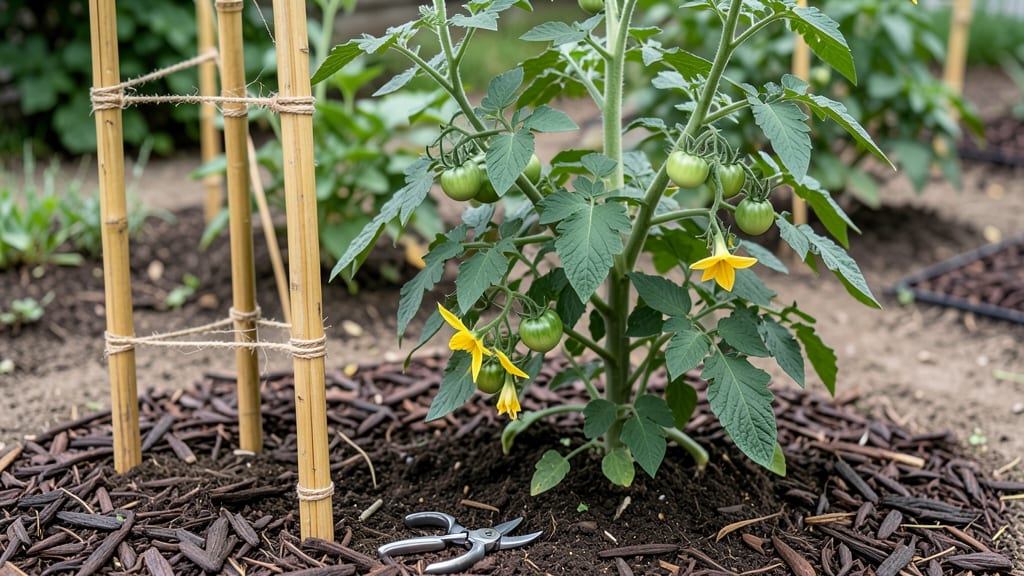
How to grow tall tomato plants starts with sunlight, sturdy support, and a little pruning know-how. 🌱 Last summer, my indeterminate 'Sungold' tomatoes soared 8 feet tall—until I learned how to reinforce stems and manage growth. The secret isn’t just water or fertilizer; it’s strategic pruning and proper staking that keeps them reaching without snapping. You’ll need 6+ hours of daily sun, a strong trellis or cage (not flimsy wire), and the patience to trim suckers early. Weak stems? That’s usually a calcium or watering issue—fix it before the vines get too heavy. By midseason, your plants will be bursting with fruit while staying upright, not sprawling. The key is pruning below the first leaf cluster to encourage upward growth, not bushy sides. Trust me, your back will thank you when harvest time comes.
📚 In This Guide
- What you need
- Instructions
- Tips and common mistakes
- Wrapping up and next steps
What you need
- ● Tomato seeds or seedlings: Choose tall varieties like Sungold, Big Beef, or Cherokee Purple (6-10 plants, depending on space).
- ● Containers or garden bed: For containers: 5-gallon pots or larger (1 per plant, with drainage holes).
- ● For in-ground: Well-draining soil (pH 6.0–7.0) and 6+ feet of space between plants.
- ● Support system: Bamboo stakes (6–8 ft tall) or tomato cages (5–7 ft) (1 per plant).
- ● Twine or soft plant ties (50+ ft, biodegradable preferred).
- ● High-quality potting mix: Organic, peat-free blend (e.g., Miracle-Gro or Fox Farm) or homemade mix (60% compost, 30% coconut coir, 10% perlite).
- ● Fertilizer: Balanced fertilizer (10-10-10) or tomato-specific feed (follow package rates).
- ● Compost or worm castings (1 cup per plant at planting).
- ● Pruning shears: Sharp, bypass-style (for clean cuts).
- ● Mulch: Straw or shredded leaves (2–3 inches thick to retain moisture).
- ● Watering can or hose with nozzle: Drip irrigation preferred for consistent moisture.
- ● Epsom salt: 1 tbsp per gallon of water (monthly for magnesium boost).
- ● Fish emulsion or seaweed extract: Natural growth enhancer (follow label).
- ● Row covers: Frost protection for early/late seasons.
- ● Trellis or A-frame support: For ultra-tall varieties (8+ ft).
- ● pH test kit: Ensure soil is in the ideal range.
Tips & tricks for growing towering tomato plants
Here's what nobody tells you about growing tomatoes that reach for the sky—lessons from my own garden where I've watched plants grow from seedlings to seven-foot giants.
Sunlight Strategy: The 8+ hours of direct sunlight isn't just about total time—it's about quality. I've found that morning sun (6AM-12PM) is more critical than afternoon for vertical growth. If your garden gets afternoon shade, prioritize morning sun exposure first. For maximum height, position your tallest varieties along the south-facing fence line where they'll get unobstructed sun from sunrise until noon. This morning energy boost helps stems develop thicker cell walls early in the day.
Staking System: Those 6-foot bamboo stakes I use aren't just for show—they're about creating a stable growth environment. The key is driving them 12 inches deep to create a solid anchor. For varieties like 'Beefsteak' that produce heavy fruit, I've learned to tie the main stem at 12-inch intervals using soft plant ties. Here's my secret: I make the ties slightly loose at first, then tighten them gradually as the stem thickens. This prevents stem damage while still guiding vertical growth.
Pruning Precision: When removing suckers at 2-3 inches, focus on the angle—cut at a 45-degree angle just above a leaf node. This technique prevents water from pooling on the cut and reduces disease risk. For indeterminate varieties, I've discovered that pinching off top growth at 6-7 feet actually encourages bushier top growth and heavier fruit clusters. The plant redirects its energy upward rather than continuing vertical growth, which can make stems top-heavy.
Watering Wisdom: The 2-3 times weekly watering schedule works best when you water deeply each time—about 1-1.5 gallons per plant. I use a soaker hose placed at the base of the plant to deliver water directly to the roots. This method prevents fungal diseases that can develop from overhead watering and ensures consistent moisture that prevents blossom-end rot. The top 2 inches of soil drying between waterings is crucial—it prevents waterlogging while maintaining root health.
Pro Tips for Grow Tall Tomato Plants
- Here's what nobody tells you about growing tomatoes that reach for the sky—lessons from my own garden where I've watc...
- Sunlight Strategy: The 8+ hours of direct sunlight isn't just about total time—it's about quality. I've found that mo...
- Staking System: Those 6-foot bamboo stakes I use aren't just for show—they're about creating a stable growth environm...
Frequently asked questions
Got questions about growing tall tomato plants? You’re not alone—these towering vines can be tricky! Here are answers to the most common queries to help you grow like a pro.
How much sunlight do tall tomato plants really need?
Tall tomato plants thrive with 6–8 hours of direct sunlight daily. If your garden gets less, opt for indeterminate varieties (like 'Sungold' or 'Cherokee Purple'), which stretch toward light. For shadier spots, try determinate types like 'Roma'—just expect smaller yields. Pro tip: Rotate pots or stakes weekly to ensure even light exposure.
When should I start staking or caging my tall tomato plants?
Install stakes or cages at planting time (or when seedlings are 6–8 inches tall). Tall varieties (like 'Big Beef' or 'Brandywine') need support early to prevent flopping. Use bamboo stakes (4–6 ft tall) or tomato cages (5–6 ft). Secure plants with soft ties (old T-shirts work!) to avoid stem damage. Wait until soil warms (60°F+) before staking—cold roots can struggle.
Do I really need to prune tall tomato plants? What if I don’t?
Pruning boosts airflow and fruit production but isn’t mandatory. For indeterminate types, pinch off suckers (shoots in leaf junctions) to direct energy to fruit. Skip pruning for determinate varieties—they bush out naturally. If you don’t prune, expect more leaves (shade for fruit) but potential disease risks. Hot tip: Prune on dry mornings to reduce disease spread.
Why are my tall tomato plants flowering but not fruiting?
Common causes: too much nitrogen (leaves over fruit), inconsistent watering (stress = dropped blooms), or temperature swings (below 55°F or above 90°F). Fix it by:
- Switch to low-nitrogen fertilizer (5-10-10 ratio).
- Water deeply 1–2x/week (drip irrigation helps).
- Use shade cloth in extreme heat.
What’s the best alternative if my tall tomato plants keep falling over?
If staking fails, try these low-maintenance supports:
Option
Best For
Pros
Florida Weave
Heavy varieties (e.g., 'Beefmaster')
No tools needed; uses existing plants as trellis.
Overhead Wire System
Large gardens
Supports multiple plants; easy to expand.
Wall-of-Water™
Urban gardens
Water circulation = fewer pests.
For renters, try hanging planters with built-in stakes or vertical pockets on fences. Key: Secure supports before plants get top-heavy!
Wrapping up and next steps
Growing tall, thriving tomato plants is all about patience, proper care, and a little know-how! 🌱 With the right balance of sunlight, sturdy staking, strategic pruning, and consistent watering, you’ll be rewarded with vibrant vines and heavy harvests. Remember, every gardener starts somewhere—don’t be discouraged by early challenges.
Ready to take the next step? Experiment with varieties, keep a gardening journal to track progress, and soon you’ll be sharing your tall, proud tomato plants with neighbors (or your favorite recipes!). Happy growing! 🍅✨