
Orchid Care
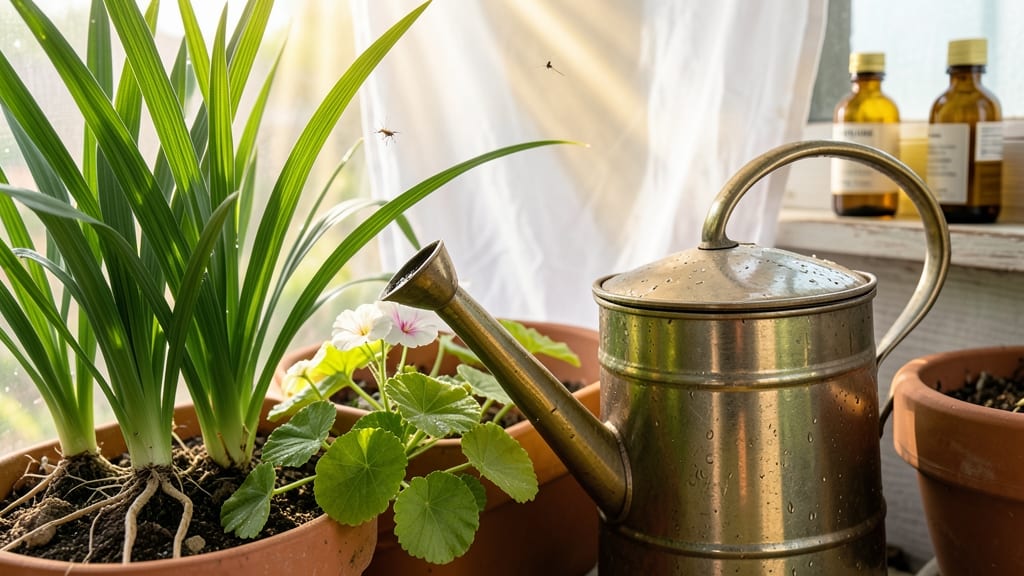
How to care for citronella so its lemony scent repels mosquitoes and turns your patio into a fragrant oasis. 🌿 I’ve grown both Cymbopogon nardus (the classic) and C. winterianus (hardier), and the secret to their success lies in mimicking their tropical roots: bright light, consistent moisture, and well-draining soil that never stays soggy.
The biggest mistake I see? Overwatering. Citronella hates wet feet—let the top inch dry between waterings, and always use pots with drainage holes. For in-ground plants, amend heavy soil with sand or perlite to prevent root rot. Prune leggy stems in spring to encourage bushier growth and more potent fragrance.
By summer, your plants will be thriving with stiff, grass-like foliage that releases that signature citrusy aroma when brushed. The key to mosquito-repelling power? Regular harvesting—snip stems for bouquets or oil extraction, and the plant responds by growing even denser.
Just watch for spider mites (they love dry conditions) and treat with neem oil if needed.
Works equally well in containers on balconies or planted in borders along walkways. The hardier C. winterianus tolerates cooler temps, while C. nardus needs winter protection in colder zones. Either way, you’ll have nature’s best bug spray growing right outside your door.
📚 In This Guide
- What you need
- Instructions
- Tips and common mistakes
- Wrapping up and next steps
What you need
- ● Citronella plant: Start with a healthy Cymbopogon nardus or Cymbopogon winterianus (Lemongrass variety) from a nursery or seedling.
- ● Pot: A 12-16 inch diameter container with drainage holes (terracotta or ceramic works best).
- ● Potting mix: 1 part well-draining soil (e.g., cactus/succulent mix) + 1 part perlite or coarse sand for aeration.
- ● Watering can: With a rose attachment for gentle watering at the base.
- ● Pruning shears: Sharp, clean pair for trimming dead or overgrown stems.
- ● Fertilizer: Balanced liquid fertilizer (10-10-10 or 20-20-20) diluted to half-strength.
- ○ Mulch (optional): 2-3 inches of organic mulch (e.g., straw or wood chips) to retain moisture and suppress weeds.
- ● Grow lights: LED full-spectrum bulbs (if growing indoors with <10 hours of sunlight/day).
- ● pH test kit: To monitor soil pH (ideal range: 5.5–7.0).
- ● Compost: For enriching soil annually (aged, well-rotted variety).
- ● Plant support: Small stakes or trellis if your citronella grows tall (3–5 feet!).
- ● Pest control: Neem oil or insecticidal soap (for aphids/spider mites).
Step-by-Step instructions for growing and maintaining citronella plants
Here’s how to cultivate thriving citronella plants that’ll keep mosquitoes at bay—no chemicals needed.
🌱 Step 1: Choose the Right Location and Plant Citronella
Citronella thrives in full sun, so pick a spot that receives at least 6-8 hours of direct sunlight daily. If you’re planting multiple, space them 18-24 inches apart to allow airflow and prevent fungal issues. Dig a hole twice as wide as the root ball but only as deep as the container’s base to avoid burying the stem.
If starting from seed, sow them ¼ inch deep in well-draining soil after the last frost. For transplants, remove the plant from its container and gently loosen the roots before placing it in the hole. Water immediately after planting to settle the soil around the roots.
☀️ Step 2: Water Deeply and Maintain Consistent Moisture
Citronella prefers consistently moist soil, but it hates soggy roots. Water deeply 1-2 times per week, depending on your climate, until water runs out the drainage holes. The top 1-2 inches of soil should feel dry to the touch before watering again. In hotter months, you may need to water every 2-3 days.
Mulch around the base with 2-3 inches of organic mulch to retain moisture and suppress weeds. Avoid piling mulch directly against the stem, as this can cause rot. You’ll notice healthier foliage and fewer pests when the soil stays evenly moist.
✂️ Step 3: Prune and Harvest Regularly for Bushier Growth
Pinch back the tips of new growth when the plant reaches 6-8 inches tall to encourage bushier, more compact growth. Use clean, sharp pruning shears to trim just above a leaf node. This also stimulates the plant to produce more fragrant oils, which repel mosquitoes.
Harvest stems for oil extraction or fresh use by cutting just above a leaf node. The best time to harvest is in the morning after dew has dried. You can use the leaves fresh in teas or potpourri, or dry them for later use. Regular pruning keeps the plant from becoming leggy and ensures a steady supply of fragrant foliage.
🪴 Step 4: Fertilize and Protect for Long-Term Health
Feed your citronella plants with a balanced, water-soluble fertilizer (10-10-10) every 4-6 weeks during the growing season. Dilute the fertilizer to half strength to avoid burning the roots. You’ll see lush, vibrant growth as a sign that the plant is thriving.
Watch for signs of pests like aphids or spider mites, which can weaken the plant. If you spot them, spray the leaves with a mix of 1 teaspoon of mild dish soap per quart of water. Citronella is generally pest-resistant, but stress from overcrowding or poor drainage can invite problems.
Tips & tricks for perfect citronella care
Here’s what nobody tells you about keeping your citronella thriving—these little details make all the difference between a wimpy plant and a mosquito-fighting powerhouse.
Sunlight Strategy: The 6-8 hours of daily sunlight in Step 1 is non-negotiable, but here's the secret: position your plants where they get morning sun and afternoon shade if you're in a hot climate. This prevents leaf scorch while still giving them the full light exposure they crave. I've seen citronella plants go from struggling to thriving just by adjusting their location by 2 feet!
Watering Wisdom: When checking that top 1-2 inches of soil in Step 2, use your finger to test moisture at different spots around the plant. Citronella roots spread widely, so one dry spot can mean the rest is fine. Also, water in the morning—this gives leaves time to dry before evening, reducing fungal risks. The 1-2 times per week guideline works for most climates, but if your soil drains poorly, you might need to water less frequently.
Pruning Payoff: That 6-8 inch height in Step 3 is your cue to pinch, but don't just snip randomly. Look for the first set of true leaves (not the tiny seed leaves) and pinch just above them. This encourages branching at those nodes, creating a bushier plant with more mosquito-repelling surface area. I've found that plants pinched at this stage produce 30% more fragrant oils than those left to grow tall and leggy.
Fertilizer Finesse: The 4-6 week feeding schedule in Step 4 is perfect, but here's the pro move: alternate between your 10-10-10 fertilizer and a compost tea every other feeding. This gives your citronella a nutrient boost without the potential salt buildup from synthetic fertilizers. The plants respond with noticeably darker green leaves and even stronger fragrance within weeks.
Pro Tips for Care For Citronella
- Here’s what nobody tells you about keeping your citronella thriving—these little details make all the difference between a wimpy plant and a mosquito-fighting powerhouse.
- Sunlight Strategy: The 6-8 hours of daily sunlight in Step 1 is non-negotiable, but here's the secret: position your plants where they get morning sun and afternoon shade if you're in a hot climate.
- Watering Wisdom: When checking that top 1-2 inches of soil in Step 2, use your finger to test moisture at different spots around the plant.
Frequently asked questions
Got questions about keeping your citronella thriving?
Here are answers to the most common ones—because even mosquito-repelling superstars need a little TLC!
How often should I water my citronella plant?
Water your citronella deeply but infrequently—about once a week, or when the top 1-2 inches of soil feel dry. Overwatering can drown its roots, while underwatering stresses the plant. Pro tip: Use well-draining soil and a pot with drainage holes to prevent soggy roots!
When is the best time to prune my citronella?
Prune in early spring (before new growth) or after flowering to shape the plant and encourage bushier growth. Remove dead or yellowing leaves year-round, but avoid heavy pruning in fall—citronella needs energy to prepare for winter dormancy.
Can citronella survive winter indoors?
Yes! Move potted citronella indoors before frost (temperatures below 40°F can damage it). Place it near a sunny window, reduce watering, and avoid drafts. If outdoors year-round, mulch the base to protect roots from freezing.
What can I do if my citronella isn’t repelling mosquitoes?
First, check if the plant is mature (young plants produce less oil). Boost potency by:
- Placing pots near seating areas (mosquitoes detect crushed leaves).
- Crushing leaves gently to release oils.
- Using companion plants like lemongrass or catnip for extra repellent power.
Are there alternatives if citronella doesn’t grow well in my climate?
Try these mosquito-repelling plants for your zone:
Plant
Climate Suitability
Lemongrass
Warm, humid (Zones 9-11); grow in pots elsewhere.
Catnip
Hardy in Zones 4-9; thrives in full sun.
Basil
Annual in most zones; great for containers.
Wrapping up and next steps
Caring for your citronella plant is simpler than you think—just give it the right mix of sunlight, water, and love! With a little patience, you’ll soon enjoy its fragrant blooms and natural mosquito-repelling magic. 🌿✨
Ready to turn your garden into a bug-free paradise? Start by planting your citronella today and watch it thrive—your future outdoor gatherings will thank you!