
How To
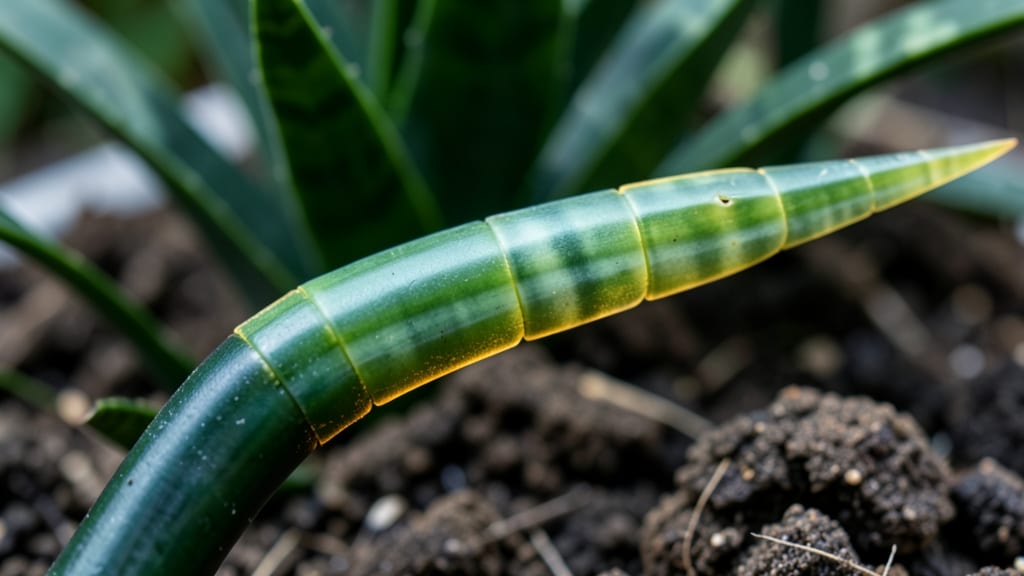
Here’s how to get snake plants to grow tall—it’s not genetics, but sunlight and soil. 🌱 I’ve watched mine shoot up 12+ inches in a year by fixing just two things: light exposure and drainage. Most growers overwater or underlight, stunting that vertical potential you’re after.
The trick is bright, indirect light (east or north-facing windows work best) and a fast-draining mix—think 50% potting soil, 30% perlite, 20% coarse sand. Water only when the soil’s bone-dry, then let excess drain completely.
Overwatering turns those towering dreams into sad, squat leaves. Your plant will reward you with straighter, sturdier growth within months.
📚 In This Guide
- What you need
- Instructions
- Tips and common mistakes
- Wrapping up and next steps
What you need
- ● Snake Plant (Sansevieria) – Choose a healthy, mature plant (varieties like Sansevieria trifasciata or Sansevieria cylindrica work well).
- ● Well-draining potting mix – 1 bag (5-10 quarts) of a cactus/succulent blend or a mix of: 60% potting soil
- ● 30% perlite or pumice
- ● 10% coarse sand or orchid bark
- ● Pot with drainage holes – 1 container (1-2 inches larger in diameter than the current pot) made of terracotta, ceramic, or fabric.
- ● Watering can or spray bottle – With a narrow spout to avoid overwatering.
- ● Pruning shears or clean knife – For trimming (sterilize with rubbing alcohol if repurposing).
- ○ Gloves (optional) – To protect hands from sharp leaves or soil.
- ● Bright, indirect light – A south- or west-facing window (or a grow light for 12-14 hours/day if indoors).
- ● Warmth – Ideal temperature range: 60–85°F (15–29°C).
- ● Humidity (moderate) – Snake plants tolerate dry air but thrive in 40–50% humidity.
- ● Space to grow – Ensure the plant has room to stretch vertically (aim for 1–3 feet tall over time!).
- ● Fertilizer – Balanced liquid fertilizer (e.g., 10-10-10) or a slow-release succulent formula.
- ● Grow light – LED or fluorescent bulb for low-light spaces.
- ● Plant support (bamboo stakes or trellis) – If your snake plant leans (common in Sansevieria cylindrica).
- ● Soil moisture meter – To avoid guesswork on watering.
- ● Decorative pot – For a stylish upgrade (ensure it has drainage!).
Step-by-Step instructions for coaxing snake plants toward the sky
Taller snake plants start with the right balance of light, soil, and patience—here's how to stretch those leaves upward.
🌱 Step 1: Select the Right Container and Drainage
Snake plants need room to grow, so choose a container at least 12 inches wide and deep for each plant. I prefer terracotta pots because they wick away excess moisture, which prevents the rot that stunts growth. Make sure there are drainage holes—snake plants hate soggy roots, and waterlogged soil will slow their vertical progress.
If repotting an established plant, select a container just 2 inches larger in diameter than the current root ball. A sudden jump to a huge pot encourages leafy growth over height, which is the opposite of what we want. Place a layer of ½-inch pebbles or broken pottery in the bottom before adding soil to improve drainage.
☀️ Step 2: Position for Maximum Light Without Scorching
Place your snake plant in bright, indirect light for at least 6-8 hours daily. A south-facing window with sheer curtains works perfectly—direct sun will bleach the leaves, while too little light causes them to grow short and spindly. You'll know the light is right when the leaves stay upright and develop a healthy, deep green color.
Rotate the pot a quarter turn every 2-3 weeks so all sides receive equal light exposure. This prevents the plant from leaning toward the strongest light source, which creates an uneven, lopsided growth pattern. If your space lacks natural light, supplement with a grow light 6-12 inches above the plant for 12-14 hours daily.
💧 Step 3: Master the Watering Schedule for Vertical Growth
Water snake plants only when the top 3-4 inches of soil feel completely dry. Overwatering triggers root rot, which forces the plant to divert energy to recovery instead of upward growth. Stick your finger into the soil—if it's damp below the top inch, wait another day. I water mine every 10-14 days in winter and 7-10 days in summer, adjusting for humidity levels in my home.
When you do water, soak the soil thoroughly until water flows out the drainage holes. Empty the saucer immediately afterward to prevent the roots from sitting in standing water. This deep-watering technique encourages roots to grow downward, which in turn supports taller leaf production. Yellowing leaf tips? That's a sign you're overwatering—cut back immediately.
🪴 Step 4: Feed Strategically for Height, Not Bushiness
Use a balanced, water-soluble fertilizer diluted to half-strength every 4-6 weeks during spring and summer. I avoid fertilizing in fall and winter because snake plants grow slowly then, and extra nutrients can burn the roots. Focus on nitrogen in early spring to promote leaf growth, then switch to a phosphorus-heavy formula in late spring to encourage root development that supports taller stems.
Never fertilize a thirsty plant—always water first, then feed. You'll see the difference in growth when the leaves remain firm and upright rather than soft and floppy. If you notice brown leaf tips after fertilizing, flush the soil with water to remove excess salts, which can stunt growth.
✂️ Step 5: Prune and Propagate for Continuous Height
Remove any yellow or brown leaves by cutting them at the base with clean, sharp scissors. This might seem counterintuitive, but dead leaves sap energy from the plant. When you see a leaf that's at least 6 inches long, gently twist it off at the base to propagate. Place the cutting in water or moist soil—new plants will grow from the nodes, and you'll have replacements ready to fill gaps.
Divide mature plants every 2-3 years when they outgrow their container. Carefully remove the plant, separate the root clumps, and repot the largest sections. This rejuvenates growth and gives you multiple tall plants. Always repot in fresh soil to prevent disease buildup, which can slow vertical development.
Tips & tricks for perfect snake plant growth
Want those snake plant leaves reaching for the sky? These insider tricks will help you coax your plant toward towering heights without the guesswork.
Container Depth Matters: In Step 1, when selecting your 12-inch container, prioritize depth over width. Snake plants develop longer roots to support vertical growth, so a deeper pot (at least 12 inches deep) gives those roots room to stretch downward. I've seen plants in shallow pots grow bushy but never tall—roots need space to anchor those skyward ambitions.
Light Rotation Strategy: The quarter-turn rotation in Step 2 is non-negotiable for even growth. I learned this the hard way when my plant developed a permanent lean toward the window. For maximum symmetry, rotate every 2 weeks during the 6-8 hours of daily light exposure. If you notice leaves bending toward one side, that's your plant begging for more even light distribution.
Soil Moisture Test: Before watering (Step 3), perform the finger test at the 3-4 inch depth. If you're unsure whether the soil is dry enough, wait another day—overwatering is the silent growth killer. I keep a small moisture meter handy for my collection, but even without one, the finger test works perfectly when you're consistent. Remember, snake plants store water in their leaves, so they can handle longer dry spells between waterings.
Fertilizer Timing: When you're ready to fertilize in Step 4, time it right: always after watering, never before. I've noticed the biggest height gains when I fertilize right after a thorough watering session. Start with nitrogen in early spring to build leaf strength, then switch to phosphorus by late spring to encourage that root expansion that supports taller growth. The half-strength dilution is crucial—stronger concentrations can burn roots and stunt vertical progress.
Pro Tips for Get Snake Plants To Grow Tall
- Want those snake plant leaves reaching for the sky?
- Container Depth Matters: In Step 1, when selecting your 12-inch container, prioritize depth over width.
- Light Rotation Strategy: The quarter-turn rotation in Step 2 is non-negotiable for even growth.
Frequently asked questions
Got questions about growing tall, lush snake plants? You’re not alone! Here are answers to the most common queries—so you can troubleshoot, optimize, and watch those leaves reach for the sky.
How long does it take for snake plants to grow tall?
Snake plants grow slowly but steadily—expect about 6–12 inches per year under ideal conditions (bright, indirect light and well-draining soil). With patience and proper care, they can reach 2–4 feet tall over 3–5 years. Pushing for faster growth? Focus on light exposure and avoid overwatering!
Why is my snake plant growing short and stubby instead of tall?
Short, squat growth usually means too much shade or poor drainage. Snake plants stretch toward light—if they’re leggy but not tall, they’re reaching for it. Move yours to a bright, indirect spot (like an east-facing window) and ensure the soil dries out completely between waterings. Yellow leaves? That’s a red flag for overwatering!
Can I use regular potting soil for tall snake plants?
Nope! Regular soil holds too much moisture, which rotting roots and stunted growth. Use a fast-draining mix like cactus/succulent soil (or add perlite/pumice for airiness). Pro tip: Repot every 2–3 years to refresh nutrients and prevent root bind, which can limit height.
Is direct sunlight bad for snake plants?
While they tolerate some direct sun, harsh afternoon rays can scorch leaves, causing brown tips. For tall growth, aim for 4–6 hours of bright, indirect light daily. A north or east window is ideal. If outdoors, acclimate slowly to prevent sunburn—start with morning sun only!
How do I encourage taller leaves vs. more pups?
Snake plants naturally produce pups (baby plants) as a survival tactic. To prioritize height over spread, reduce water slightly (let soil dry completely) and avoid fertilizing heavily. Pups thrive with more moisture and nutrients, so adjust care based on your goal. Want both? Balance light, water, and a light fertilizer (diluted) every 6 months.
Wrapping up and next steps
Growing tall, lush snake plants is totally within your reach—just remember the sunlight, soil, and patience trio! With the right balance of bright, indirect light, well-draining soil, and occasional pruning, your snake plant will reward you with those stunning vertical leaves. 🌱✨
Now that you’re armed with the know-how, pick one tip to try this week—whether it’s adjusting your plant’s light spot or repotting it for better growth. Watch those leaves reach for the sky, and soon, you’ll be the proud owner of a towering snake plant masterpiece!