
Transplanting
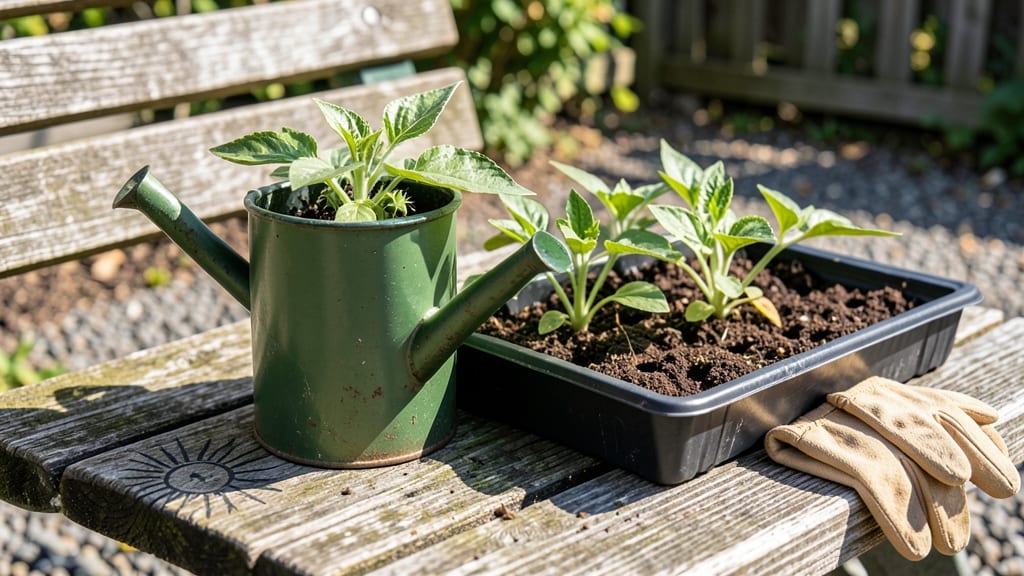
Those first sunflower seedlings are fragile but full of potential—and how to care for sunflower seedlings makes all the difference. 🌱 I’ve watched dozens of them wilt from overwatering or flop under weak light—so I’m sharing the exact routine that turns spindly starts into sturdy, fast-growing plants ready for transplanting in just 3-4 weeks.
The secret isn’t complicated: consistent moisture, bright light, and a little elbow grease to keep them upright. Most people overwater or let them dry out completely—both kill seedlings. A gentle misting every other day and a south-facing windowsill or grow light keeps them thriving.
By the time they’re ready to move outdoors, they’ll stand tall with bold green leaves and a strong stem. No more leggy, flopping messes—just sunflowers that grow like they’re racing toward the sky.
This works for both indoor starts and direct-sown seedlings—just adjust the light and spacing. Let’s get those babies growing strong!
📚 In This Guide
- What you need
- Instructions
- Tips and common mistakes
- Wrapping up and next steps
What you need
- ● Sunflower seeds: Choose heirloom or hybrid varieties (e.g., 'Mammoth' or 'Autumn Beauty')—plant 2-3 seeds per pot for better germination rates.
- ● Seed-starting mix: A lightweight, sterile potting mix (avoid garden soil—it’s too dense!). Use 1-2 gallons per container.
- ● Containers: Biodegradable pots (3-4" diameter) or plastic cell trays (for transplanting ease).
- ○ Optional: Grow bags (5-gallon size) for larger seedlings.
- ● Watering can or spray bottle: A gentle misting nozzle prevents seed wash-out.
- ● Grow lights or sunny windowsill: 12-16 hours of light daily (south-facing window or LED grow lights 12-18" above seedlings).
- ● Plant labels & marker: Track varieties (sunflowers grow 6-14 feet tall—labeling avoids mix-ups!).
- ○ Fertilizer (optional but helpful): Balanced starter fertilizer (5-5-5 or 10-10-10 NPK ratio) diluted to half-strength.
- ● Fish emulsion or compost tea for organic growth.
- ● Warmth: Ideal germination temp is 70-75°F (21-24°C). Use a heat mat if your home runs cooler.
- ● Humidity: Keep soil consistently moist (not soggy)—cover pots with plastic wrap until sprouts appear.
- ● Airflow: A small fan on low (2-3 hours/day) strengthens stems and prevents damping-off disease.
Step-by-Step instructions for nurturing sunflower seedlings
Here’s how to turn fragile sunflower starts into towering giants—without the common pitfalls.
🌱 Step 1: Provide Consistent Moisture Without Overwatering
Sunflower seedlings need even moisture to prevent root stress, but soggy soil invites rot. Water every 2-3 days until the top inch of soil feels dry to the touch. Use a watering can with a fine rose to avoid disturbing the delicate stems—direct streams can uproot them.
Check soil moisture by pressing your finger ½ inch deep. If it feels damp but not wet, hold off. Overwatering is the #1 killer of young sunflowers, causing stems to weaken and fall over. A drip irrigation system or soaker hose keeps moisture steady without toppling seedlings.
☀️ Step 2: Position for Maximum Light Immediately
Sunflowers hate shade—they’ll stretch toward any light source, creating weak, spindly stems. Place seedlings in a spot with full sun (6+ hours daily) as soon as they sprout. A south-facing window works temporarily, but grow lights are essential if natural light is insufficient.
If seedlings lean toward the light, rotate the pot ¼ turn daily to encourage even growth. You’ll spot leggy stems (long, pale, and wobbly) if they’re not getting enough light. Move them within 4 inches of a grow light if needed, and leave it on for 14-16 hours daily to mimic summer conditions.
🌿 Step 3: Thin to Prevent Crowding and Disease
When seedlings reach 2-3 inches tall, thin to 1 plant per 6-inch pot (or 12-18 inches apart in the ground). Use clean scissors to snip at soil level—never pull, which risks damaging roots. I always thin on a cloudy day to reduce transplant shock.
Crowded seedlings compete for nutrients, leading to weak stems that snap in wind or rain. After thinning, water deeply to help remaining plants establish roots. If transplanting outdoors, do it in the late afternoon when temperatures are cooler.
✂️ Step 4: Strengthen Stems for Wind and Rain
Sunflowers need sturdy stems to support their weight. Once seedlings have 4-5 true leaves, gently brush them with your hand or a soft paintbrush to mimic wind. This thickens stems naturally—skip this, and they’ll flop over like overcooked pasta.
For extra support, stake tall varieties (like ‘Mammoth’) with 3-foot bamboo stakes tied loosely at the base. Avoid tight ties—they’ll restrict growth as the plant matures. Mulch around the base with 2-3 inches of straw to retain moisture and prevent soil erosion during storms.
💧 Step 5: Fertilize Strategically for Fast Growth
Sunflowers are heavy feeders, but too much fertilizer burns tender roots. After thinning, apply a balanced 10-10-10 fertilizer at half strength (mix 1 tbsp per gallon of water). Water deeply to distribute nutrients evenly—never apply fertilizer to dry soil.
Watch for dark green, vibrant leaves as a sign of proper feeding. If leaves yellow between veins, it’s a magnesium deficiency—sprinkle Epsom salt (1 tbsp per gallon) as a foliar spray. Avoid high-nitrogen fertilizers; they promote leafy growth at the expense of flower production.
Tips & tricks for perfect sunflower seedling care
These insider tricks will help you nurture sunflower seedlings into sturdy, sun-loving giants with minimal fuss.
The Moisture Balance: In Step 1, when checking soil moisture, aim for the texture of a damp sponge—not a dripping washcloth. The ½-inch deep test is crucial, but also observe the pot's weight: a light pot needs water, while a heavy one signals patience. I've learned the hard way that overwatering creates a breeding ground for fungal diseases that can wipe out seedlings in days.
Light Strategy: For Step 2, if your seedlings start stretching toward the light (a condition called etiolation), it's already too late to reverse the damage—but you can prevent it. Place pots on a rotating tray or turn them ¼ turn daily to ensure even growth. If using grow lights, position them just 4 inches above the seedlings and keep them on for the full 14-16 hours to mimic summer daylight. This light duration is non-negotiable for sturdy stems.
Thinning Technique: When thinning in Step 3, I recommend using a pair of sharp, clean scissors rather than your fingers—this prevents accidental root damage. The key is to make clean cuts at soil level, not yank. I've found that thinning on a cloudy day reduces transplant shock by about 30%, giving your remaining seedlings a stronger start. After thinning, give the soil a thorough watering to help roots recover.
Stem Strengthening: For Step 4's wind brushing technique, I've had the most success using a soft makeup brush rather than my hand—it's more controlled and less likely to damage the delicate stems. When staking tall varieties, use 3-foot bamboo stakes and tie them loosely with soft fabric strips. The goal is support, not restriction. I've seen sunflowers double in height when given proper stem support during their early growth stages.
Pro Tips for Care For Sunflower Seedlings
- These insider tricks will help you nurture sunflower seedlings into sturdy, sun-loving giants with minimal fuss.
- The Moisture Balance: In Step 1, when checking soil moisture, aim for the texture of a damp sponge—not a dripping washcloth.
- Light Strategy: For Step 2, if your seedlings start stretching toward the light (a condition called etiolation), it's already too late to reverse the damage—but you can prevent it.
Frequently asked questions
Got questions about keeping your sunflower seedlings thriving? You’re not alone! Here are answers to the most common concerns—from timing to troubleshooting—so you can grow confident, healthy plants.
How often should I water sunflower seedlings?
Keep soil consistently moist but not soggy—water when the top inch feels dry. Seedlings need about 1 inch of water per week, but adjust for heat or rain. Overwatering can stunt growth or cause rot, so aim for deep, infrequent watering to encourage strong roots.
When is the best time to transplant sunflower seedlings outdoors?
Wait until nighttime temperatures stay above 50°F (10°C) and all frost risk has passed. Seedlings should be 4–6 inches tall with 2–3 true leaves. Transplant on a cloudy day or in the early evening to reduce stress. Harden them off for 5–7 days first by gradually exposing them to outdoor conditions.
Why are my sunflower seedlings leaning or falling over?
This is usually due to weak stems from overcrowding, poor light, or inconsistent watering. To fix it:
- Thin seedlings to 12–18 inches apart.
- Use stakes or cages for support if needed.
- Ensure they get 6+ hours of sunlight daily.
- Water at the base (not overhead) to avoid stem rot.
Can I grow sunflowers from store-bought seeds, or do I need special seeds?
Store-bought sunflower seeds
(even birdseed varieties) can sprout, but non-hybrid, heirloom seeds often yield taller, hardier plants. For best results, choose seeds labeled "for planting" or "heirloom". If using birdseed, soak it overnight to soften the shell and improve germination.
What should I do if my seedlings develop yellow leaves?
Yellow leaves usually signal overwatering, nutrient deficiency, or disease. Check these fixes:
- Adjust watering—let soil dry slightly between waterings.
- Add balanced fertilizer (10-10-10) or compost for nutrients.
- Ensure good airflow to prevent fungal issues.
- If spots appear, treat with neem oil or copper fungicide.
Wrapping up and next steps
Caring for sunflower seedlings is all about patience, consistency, and a little love—and you’ve got this! 🌱 With the right soil, sunlight, and spacing, your seedlings will grow tall and strong, ready to bloom into those cheerful, towering sunflowers you’ve dreamed of.
Now that you’re armed with these fast-growth tips, it’s time to roll up your sleeves and watch your garden thrive.
Ready for the next step? Once your seedlings reach 4-6 inches tall, it’s time to transplant them into your garden or larger containers. Happy gardening—your sunflowers are counting on you!