
Flowers
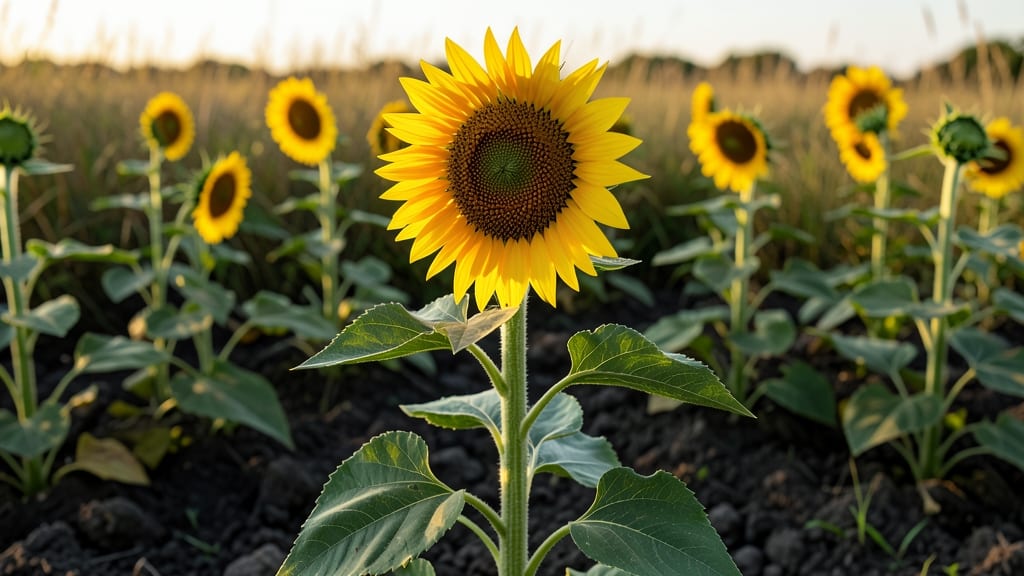
How to grow tall sunflowers reaching 12+ feet isn’t just possible—they’re your garden’s new centerpiece. 🌻 I’ve grown Mammoth and Russian Giant varieties for years, and the secret isn’t luck—it’s deep soil prep, strategic spacing, and a little mechanical help to keep those stems standing tall. Start with loose, nutrient-rich soil (amend with compost) and plant seeds 1-2 inches deep, 6-12 inches apart. Sunflowers crave full sun (6+ hours daily) and deep watering (1-2 inches per week)—never let them dry out. The real magic happens when you stake them early (before they hit 3 feet) with bamboo stakes or tomato cages to prevent flopping. By mid-summer, you’ll have sky-scraping stems that outshine anything at the nursery. Prune lower leaves to improve airflow, and watch them shoot for the clouds—literally. Just don’t forget to harvest seeds before birds do!
📚 In This Guide
- What you need
- Instructions
- Tips and common mistakes
- Wrapping up and next steps
What you need
- ● Sunflower seeds: Choose tall varieties like 'Mammoth' (10–14 ft), 'Russian Giant' (12–16 ft), or 'Autumn Beauty' (8–12 ft). Buy 10–20 seeds per plant for optimal spacing.
- ● Well-draining soil: Mix 1 part compost with 2 parts garden soil or use a high-quality potting mix for containers.
- ● Fertilizer: Balanced 10-10-10 fertilizer (1 tbsp per plant) at planting.
- ● Phosphorus-rich fertilizer (5-10-10) when buds form (1 tbsp per plant).
- ● Watering can or hose: With a gentle spray nozzle to avoid damaging stems.
- ○ Stakes or trellis: 6–8 ft bamboo stakes or a sturdy trellis for support (optional but recommended for windy areas).
- ● Garden twine: 10–15 ft to tie plants to stakes.
- ● Mulch (straw or wood chips) to retain moisture and suppress weeds.
- ● Epsom salt (1 tbsp dissolved in water) for magnesium boost during flowering.
- ● Organic pest control (neem oil spray) to deter aphids or beetles.
- ● Sunflower-specific grow lights (if starting indoors).
Step-by-Step instructions for growing towering sunflowers
Here's how to coax those sky-reaching stems from seed to sunlit summit.
🌱 Step 1: Choose the Right Variety and Prepare the Soil
Select a tall variety like 'Russian Giant' or 'Mammoth'—these can reach 12+ feet with proper care. Sunflowers thrive in full sun and well-draining soil with a pH between 6.0 and 7.5. I always test my soil first; sunflowers are heavy feeders and won't tolerate compacted or waterlogged ground.
Work in 2-3 inches of compost into the top 12 inches of soil before planting. This ensures your sunflowers have the nutrients they need to grow tall and strong. If your soil is sandy, add a handful of organic matter like peat moss to help retain moisture. The key here is loose, fertile soil—think of it as the foundation for your sunflower skyscraper.
🌱 Step 2: Plant Seeds at the Right Depth and Spacing
Sunflower seeds are large, so plant them 1 inch deep and 6 inches apart in rows that are 2-3 feet apart. This spacing gives their massive roots room to spread without competing for nutrients. I like to plant 4 seeds per hole and thin to the strongest seedling once they sprout—this ensures you don’t waste seeds or end up with weak stems.
Press the soil gently around the seeds to create good seed-to-soil contact, but don’t compact it. Water the area lightly after planting to settle the soil. Sunflowers are drought-tolerant once established, but they need consistent moisture during germination. Watch for the first true leaves—this is your signal that the seeds have taken root and you can ease up on watering slightly.
☀️ Step 3: Provide Consistent Water and Nutrients
Water deeply once a week during dry spells, aiming for 1-2 inches of water per week. Sunflowers develop deep taproots, so deep watering encourages them to grow strong roots. I always water at the base of the plant in the morning to prevent fungal diseases. Avoid wetting the leaves, as this can lead to mildew, especially in humid climates.
Fertilize with a balanced 10-10-10 or 5-10-10 fertilizer when the plants are 4-6 inches tall, then again when they start flowering. Sunflowers are heavy feeders, and this extra boost helps them reach their full height potential. I also side-dress with compost halfway through the growing season to keep nutrients flowing. The goal is to avoid sudden growth spurts that can weaken stems—steady, consistent feeding is key.
✂️ Step 4: Stake and Support for Maximum Height
When your sunflowers reach 3-4 feet tall, it’s time to provide support. I use 6-foot bamboo stakes or sturdy wooden posts, driven 6 inches into the ground next to each plant. Tie the main stem loosely to the stake with soft cloth or old t-shirts—never wire or anything that can cut into the stem as it grows. This prevents the plant from flopping over under its own weight.
Watch for strong winds, especially if you're growing in an exposed area. Sunflowers can grow 2-3 inches per day during peak growth, so their stems need support to stay upright. If you notice the stem bending, adjust the ties gently to keep it vertical. The taller the sunflower, the more important this step becomes—think of it as building a scaffold for your skyscraper.
🌿 Step 5: Monitor for Pests and Diseases
Sunflowers are generally pest-resistant, but keep an eye out for aphids, beetles, or powdery mildew, especially in humid conditions. I spray neem oil preventatively if I see early signs of pests. Remove any yellowing or diseased leaves immediately to prevent the issue from spreading. Healthy leaves mean a strong stem capable of supporting that towering height.
If you notice the leaves curling or the plant wilting, it could be a sign of verticillium wilt or root rot. These are less common but can be fatal. Always rotate crops if you’ve grown sunflowers in the same spot before—this helps prevent soil-borne diseases from building up. A healthy plant is a tall plant, so vigilance pays off in the end.
Tips & tricks for growing towering sunflowers
A few strategic moves can transform your sunflowers from modest to monumental. Here's how to maximize their potential without breaking a sweat.
Soil Preparation Secret: Before amending your soil, conduct a simple pH test using a kit from your garden center. Sunflowers thrive in that 6.0-7.5 range, but many garden soils run acidic. If yours is below 6.0, add crushed limestone (about 2 pounds per 100 square feet) and retest in 2-3 weeks. The right pH ensures your plants can absorb all that compost you're adding—think of it as giving them the best possible foundation for their skyscraper growth.
Planting Precision: When planting those 4 seeds per hole as mentioned in Step 2, use a dibble or pencil to create perfectly spaced holes. This prevents overcrowding and makes thinning easier later. I've found that planting in a slight depression (about 1/4 inch deep) helps retain moisture during germination. The key is consistency—each seed should have equal access to water and nutrients without competing with neighbors.
Watering Wisdom: The once-weekly deep watering in Step 3 works beautifully, but here's the pro move: use a rain gauge or tuna can to measure exactly 1-2 inches of water. Many gardeners overestimate how much they're actually delivering, especially with hose-end sprinklers. Morning watering is ideal, but if you must water in the evening, finish at least 2 hours before sunset to prevent fungal issues. The goal is to keep the soil consistently moist but never soggy—sunflowers hate wet feet.
Support System Strategy: For the 3-4 foot tall plants in Step 4, consider using a soft garden twine instead of cloth strips for tying. It's more durable and won't degrade as quickly in wet conditions. I've also found that placing stakes slightly diagonally (about 15 degrees) gives the plant more natural movement in wind, preventing the stem from getting permanently bent. Think of it as giving your sunflower a gentle yoga session to build resilience.
Pro Tips for Grow Tall Sunflowers
- A few strategic moves can transform your sunflowers from modest to monumental.
- Soil Preparation Secret: Before amending your soil, conduct a simple pH test using a kit from your garden center.
- Planting Precision: When planting those 4 seeds per hole as mentioned in Step 2, use a dibble or pencil to create perfectly spaced holes.
Frequently asked questions
Got questions about growing towering sunflowers? You’re not alone! Here are answers to the most common queries—from timing tricks to troubleshooting tips—to help you cultivate sunflowers that reach for the sky.
When is the best time to plant sunflower seeds for maximum height?
For the tallest stems, plant seeds after the last frost when soil temperatures hit at least 50°F (10°C). In warm climates, aim for early spring; cooler zones benefit from late spring planting. Give them full sun (6+ hours daily) and space them 6–12 inches apart to reduce competition. Pro tip: Start indoors 2–3 weeks early if your growing season is short!
How long does it take for sunflowers to grow tall?
Sunflowers grow fast—expect 2–3 inches per week under ideal conditions! Most varieties reach mature height (6–12 feet) in 80–100 days. Dwarf types may top out in 60 days, while giant cultivars like ‘Mammoth’ or ‘Russian Giant’ take closer to 120 days. Monitor growth closely; consistent watering (1–2 inches weekly) and nutrient-rich soil keep them on track.
Why are my sunflowers not growing tall? Troubleshooting tips.
Stunted sunflowers often suffer from poor soil, underwatering, or pests. Check for:
- Nutrient deficiency: Amend soil with compost or a balanced fertilizer (10-10-10) at planting.
- Overcrowding: Thin seedlings to 12–18 inches apart for airflow and light.
- Pests: Watch for aphids or slugs; use neem oil or diatomaceous earth if needed.
- Disease: Fungal issues (like powdery mildew) thrive in humidity—space plants and prune lower leaves.
Can I grow sunflowers in containers? What’s the best pot size?
Sunflowers thrive in containers, but size matters. Choose a pot at least 12–18 inches deep and 18+ inches wide for tall varieties (like ‘Russian Giant’). Dwarf types (e.g., ‘Teddy Bear’) need 8–10 inches. Use lightweight potting mix, drain holes, and stake tall stems early to prevent tipping. Place pots in full sun and water consistently—containers dry out faster!
Are there sunflower varieties that grow extra tall? Which ones?
If you’re dreaming of 10+ foot giants, try these varieties:
- ‘Russian Giant’: 12–15 feet tall (needs staking!).
- ‘Mammoth’: 10–14 feet, classic for height records.
- ‘Autumn Giant’: 10–12 feet, late-blooming.
- ‘American Giant’: 10–12 feet, heat-tolerant.
For shorter but sturdy options, ‘ProCut’ (5–6 feet) is great for bouquets. Always check seed packets for mature height—some “tall” varieties are deceptive!
Will sunflowers grow taller with fertilizer? What type should I use?
Yes! Sunflowers are heavy feeders, especially during rapid growth. Use a balanced fertilizer (10-10-10) at planting, then switch to a low-nitrogen, high-phosphorus (5-10-10) mix when buds form. Avoid over-fertilizing with nitrogen—it promotes leafy growth over height. Organic options like bone meal or composted manure work too. Water deeply after fertilizing to prevent root burn.
Wrapping up and next steps
Growing tall sunflowers is all about patience, the right conditions, and a little extra care—just like nurturing a dream! With the perfect soil, ample sunlight, and consistent watering, you’ll be rewarded with towering stems that reach for the sky. 🌞
Now that you’re armed with the proven techniques to cultivate sunflower giants, it’s time to grab those seeds and get planting! Start small, experiment with varieties, and soon you’ll be sharing your sunflower success stories with friends and neighbors. Happy gardening—your future sunflower skyscrapers are waiting! 🌱