
Pests
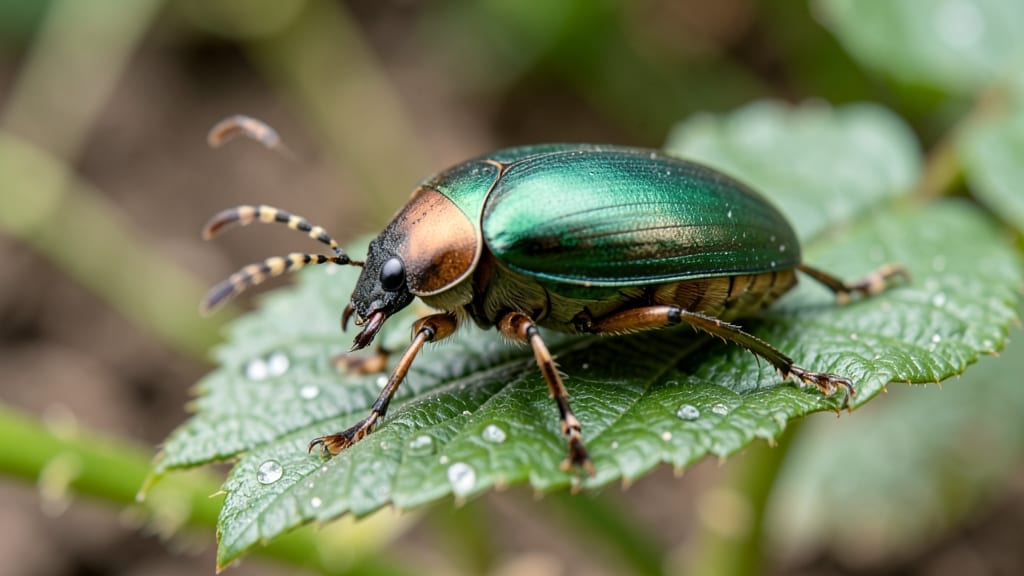
How to catch Japanese beetles—before they strip your garden bare in days. 🌿 I’ve lost entire rose bushes to these striped invaders—until I discovered this boiling water trick that stops them dead in their tracks. It’s not just about catching them; it’s about smothering their larvae before they even hatch.
The secret weapon is a simple barrier: a trench filled with boiling water that creates a lethal zone around your plants. You’ll need a kettle, a shovel, and about 10 minutes of focused work.
The key is timing—apply it in late spring when beetles first appear, before they lay eggs. No chemicals, no traps, just pure, fast results.
What you’ll get is a garden where beetles think twice before landing. Roses stay intact, beans keep growing, and you avoid the heartbreak of watching your hard work get devoured. The best part? This method works even on small spaces like container gardens or balcony planters.
Fair warning: it’s messy work, and you’ll need to reapply after rain. But the payoff—beetle-free foliage by midsummer—makes it worth every drop. Here’s exactly how to set it up without burning your hands (or your plants).
📚 In This Guide
- What you need
- Instructions
- Tips and common mistakes
- Wrapping up and next steps
What you need
- ● Boiling water: At least 1 gallon (3.8 liters) per 10 feet of trench (adjust based on soil moisture and beetle density). Keep it freshly boiled (180°F+ / 82°C+).
- ● Shovel or trenching tool: A flat-edged shovel (12–18 inches wide) or a hand trencher for precision. Avoid sharp tools—safety first!
- ● Garden hose with nozzle: For quick water access to refill your boiling water container.
- ● Heavy-duty pot or kettle: Minimum 2-gallon capacity (or a large insulated watering can if you’re treating a bigger area). Use a heat-resistant handle!
- ● Protective gear: Thick garden gloves (heat-resistant if handling boiling water directly).
- ● Long sleeves and pants to avoid skin contact.
- ● Closed-toe shoes (no sandals—trust us!).
- ● Measuring tape or ruler: To mark trench depth (4–6 inches deep) and spacing (12–18 inches apart).
- ○ Garden twine or stakes: Optional but helpful for marking trench lines if your lawn is large.
- ● Thermometer: A cooking or soil thermometer to ensure water stays hot enough (critical for smothering larvae!).
- ● Wheelbarrow: For hauling boiling water efficiently over longer distances.
- ● Milk jug or bucket: Pre-measured 1-gallon portions to avoid overfilling your pot.
- ● Neem oil or beneficial nematodes: Post-treatment, to further deter beetles or target remaining larvae.
- ● Friend or helper: Because pouring boiling water solo is not recommended—safety first! 👫
Step-by-Step instructions for creating a boiling water Japanese beetle barrier
Here’s my foolproof method to smother Japanese beetle larvae before they reach your plants—fast and without chemicals.
🌱 Step 1: Identify and Prepare the Infested Area
Start by scanning your lawn or garden for grubs or beetle activity. Look for irregular patches of brown grass, tunnels in the soil, or adult beetles feeding on leaves. Focus on areas where you’ve seen damage—these are the hotspots where larvae are likely hiding.
Mark the perimeter of the infested zone with stakes or spray paint. This defines your treatment area and keeps you from accidentally missing spots. A 4-foot-wide barrier around the edges is usually enough to contain the larvae.
💧 Step 2: Boil Water and Gather Tools
Fill a large pot or kettle with 4-5 gallons of water and bring it to a rolling boil. The water must be 212°F or hotter to kill larvae on contact. While waiting, gather a long-handled shovel or trowel, a hose with a gentle spray nozzle, and a pair of gloves.
Work quickly—Japanese beetle larvae are most vulnerable when exposed to heat. If you’re treating a large area, boil water in batches and keep it covered to maintain temperature.
☀️ Step 3: Pour Boiling Water Along the Barrier Line
Starting at one corner of your marked perimeter, pour the boiling water in a continuous line along the edge. Aim for a 2-inch-wide strip to ensure deep penetration into the soil. The heat will penetrate about 1-2 inches down, smothering larvae before they can escape.
Move systematically, overlapping each pour slightly to avoid gaps. You’ll see steam rising from the soil—this confirms the larvae are being exposed to lethal temperatures. Repeat this process every 3-4 feet until the entire barrier is complete.
✂️ Step 4: Water the Barrier to Seal and Cool
Once the boiling water has been poured, use your hose to gently water the treated line. This cools the soil and helps seal the barrier, preventing larvae from burrowing back in. Focus on keeping the soil moist but not soggy—damp to the touch is ideal.
Reapply the boiling water treatment every 7-10 days during peak beetle season (late spring to early summer). Consistency is key—larvae will try to migrate, so maintaining the barrier keeps them contained.
🪴 Step 5: Monitor and Reinforce as Needed
After treatment, check the barrier line for signs of beetle activity. If you notice new damage or see adult beetles near the edges, repeat the process immediately. Over time, you’ll see fewer beetles in your garden as the larvae population is reduced.
For stubborn infestations, combine this method with handpicking adult beetles in the evening when they’re sluggish. Drop them into soapy water to eliminate them quickly. With persistence, your garden will stay beetle-free in no time.
Tips & tricks for a fast Japanese beetle barrier
Here’s what I’ve learned from years of battling these pests—these tricks make all the difference when you’re working against the clock.
Timing is Everything: Japanese beetle larvae are most vulnerable right after a rain when they’re near the surface. That’s your window to treat—wait too long, and they’ll burrow deeper where boiling water won’t reach. I’ve found that early morning treatments work best because the soil is still damp, helping the heat penetrate more effectively.
Heat Penetration Hack: The key to killing larvae isn’t just pouring boiling water—it’s making sure it soaks in. After pouring your 212°F water, use your shovel to gently stir the top 1-2 inches of soil. This helps distribute the heat deeper where the larvae hide. Think of it like fluffing a cake batter—you’re creating pockets for the steam to work its magic.
Equipment Upgrade: Don’t have a hose? A watering can with a fine rose attachment works perfectly for sealing the barrier in Step 4. The goal is to keep the soil damp without making it soggy—this prevents larvae from escaping through cracks. I keep a spare can in my garage just for this purpose, and it’s saved me countless trips to the faucet during treatments.
Monitoring Shortcut: Instead of checking every 7-10 days, I set a reminder for every 5 days during peak season. This extra frequency catches new hatchlings before they become a problem. I also keep a small notebook by my garden tools to mark treatment dates—it’s amazing how quickly you forget when you last did this!
Pro Tips for Catch Japanese Beetles
- Here’s what I’ve learned from years of battling these pests—these tricks make all the difference when you’re working against the clock.
- Timing is Everything: Japanese beetle larvae are most vulnerable right after a rain when they’re near the surface.
- Heat Penetration Hack: The key to killing larvae isn’t just pouring boiling water—it’s making sure it soaks in.
Frequently asked questions
Got questions about tackling Japanese beetles?
You’re not alone—these pests can be tricky! Here are answers to the most common concerns to help you stay ahead of the game.
When is the best time to set up a boiling water barrier?
The ideal time is late spring to early summer (May–July), when adult beetles emerge and start feasting on your plants. Early morning or evening works best—the cooler temps reduce evaporation, and beetles are most active. For larvae (grubs), target late summer to early fall (August–September) when they’re near the soil surface.
How long does it take for the boiling water to work?
Boiling water kills beetles and larvae instantly on contact, but the barrier’s effectiveness depends on timing. For adults, expect to see results within 1–2 hours as they’re drawn to the heat and trapped. For larvae, it may take 24–48 hours to fully smother them in the soil—check for activity and reapply if needed.
Will boiling water harm my plants or lawn?
If used correctly, boiling water is targeted and safe for plants. Avoid pouring it directly on foliage—focus on the soil perimeter or beetle hotspots. For lawns, stick to small, controlled areas to prevent overheating grass roots. Always test a small patch first!
What if the beetles keep coming back?
Persistence is key! If beetles return, expand your barrier or combine methods. Try adding neem oil or kaolin clay to deter them, or set up traps with pheromones (though use these away from your garden to avoid attracting more). Rotate techniques to keep them guessing.
Are there non-toxic alternatives to boiling water?
Try these eco-friendly options:
- Handpicking: Drop beetles into soapy water (1:10 ratio) or a bucket of hot, soapy water.
- Milky spore: A natural soil treatment to kill larvae long-term.
- Beneficial nematodes: Microscopic worms that target grubs.
- Row covers: Protect plants with fine mesh before beetles arrive.
Wrapping up and next steps
Catching Japanese beetles doesn’t have to be a battle—with the right techniques, like the boiling water barrier, you can smother larvae fast and protect your garden! 🌱 The key is acting quickly, staying consistent, and using natural methods to avoid harsh chemicals.
Whether you’re a seasoned gardener or just starting, these steps make the job easier and more effective.
Now that you’re armed with knowledge, grab your supplies and get started! Check your yard weekly, especially after rain, and set up your barriers before the beetles become a full-blown infestation. Your plants—and your sanity—will thank you!