
Size
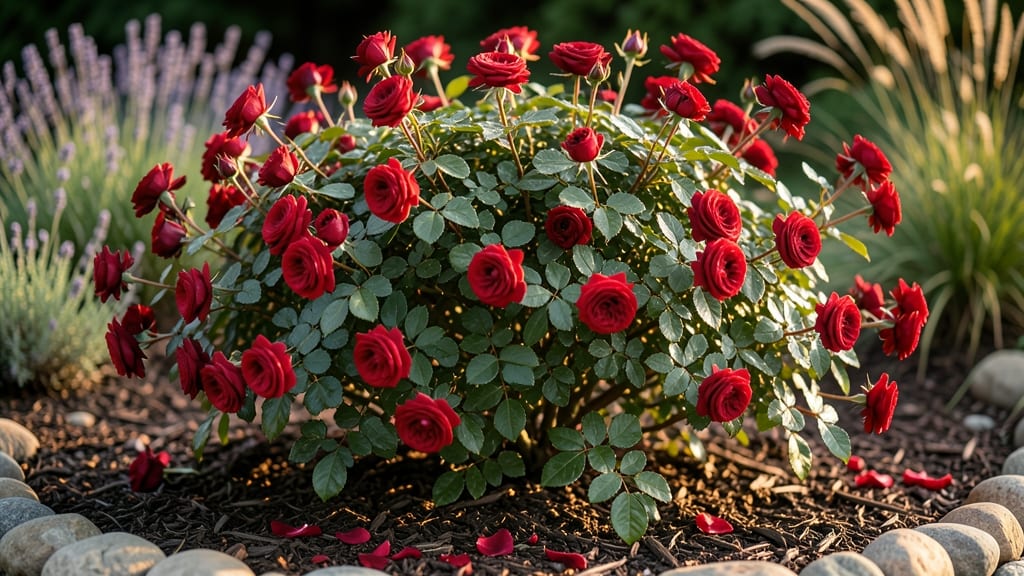
How to grow knockout rose bushes changed how I think about roses—no thorns, no fuss, just nonstop blooms from spring to frost. 🌹 These bushes are the workhorses of the garden: disease-resistant, low-maintenance, and packed with color. My first Knockout bush still thrives after five years with barely any pruning, and the neighbors keep asking where I got it.
The secret starts with the right spot: full sun (6+ hours daily) and well-draining soil. Most people overthink soil prep—just mix compost into your existing dirt, and you’re good. Water deeply once a week (more in extreme heat), and watch those blooms explode.
The first year is all about establishing roots, but by year two, you’ll have a bush so lush it looks like a professional landscaper did it.
Pruning? Almost none. Just snip off dead wood in winter and trim back any leggy stems in early spring. That’s it. No intricate shaping, no constant deadheading—just easy, reliable color that keeps giving.
Even my black thumb can’t kill these. By midsummer, your bush will be covered in blooms, and you’ll wonder why you ever grew fussy roses before.
Winter protection is the only real challenge, but it’s simple: wrap the bush in burlap or mulch heavily. These roses handle cold like champions—just don’t let the soil freeze solid. The payoff? A garden that stays vibrant when others are bare. Ready to grow one that actually stays alive?
📚 In This Guide
- What you need
- Instructions
- Tips and common mistakes
- Wrapping up and next steps
What you need
- ● Knockout rose bush(es) – Choose Rosa ‘Knock Out’ or its varieties (e.g., ‘Double Knock Out,’ ‘Rainbow Knock Out’). Buy 1-3 bare-root plants (fall/winter) or 1-2 container-grown plants (spring/summer).
- ● Well-draining soil – A mix of native soil + compost (ratio: 60% soil, 40% compost) or pre-mixed rose-specific potting soil (for containers).
- ● Organic mulch – 2–3 inches of shredded bark, pine straw, or compost to retain moisture and suppress weeds.
- ○ Balanced fertilizer – 10-10-10 or 5-10-5 NPK ratio (1 tbsp per plant at planting + monthly during growing season). Optional: Slow-release rose fertilizer granules.
- ● Watering can or hose with adjustable nozzle – Aim for 1–1.5 gallons per plant (deep watering 2–3x/week in dry climates).
- ● Garden trowel or spade – For digging holes 12–18 inches wide/deep (twice the root ball size).
- ○ Pruning shears – Bypass pruners (sharp, clean) for shaping and deadheading. Optional: Loppers for thicker stems.
- ● Gloves – Heavy-duty gardening gloves (roses have thorns!).
- ● Stakes or rose cage – 3–4 ft tall metal or wooden stakes (or a pre-made rose trellis) for support.
- ○ pH test kit – Optional but helpful to check soil pH (ideal: 6.0–6.5).
- ● Epsom salt – 1 tbsp per gallon of water (monthly spray for magnesium boost).
- ● Rose-specific fungicide – Preventative for powdery mildew (e.g., neem oil or copper fungicide).
- ● Drip irrigation system – Automates watering and saves time!
- ● Container – If planting in pots: 5-gallon minimum (drainage holes required).
Step-by-Step instructions for planting and caring for Knockout roses
Here’s how to plant and nurture these hardy roses for blooms that last all season with almost no fuss.
🌱 Step 1: Choose the Perfect Planting Spot
Knockout roses thrive in full sun—at least 6 hours of direct sunlight daily—so pick a spot where they’ll get plenty of light. I always check the area for at least half a day of afternoon sun, since that’s when roses need the most energy to fuel their blooms. Avoid low spots where water pools, as soggy soil will rot the roots.
Test your soil’s drainage by digging a 12-inch hole and filling it with water. If it drains in under 2 hours, you’re good to go. If not, amend the soil with 2-3 inches of compost or organic matter to improve drainage. Knockout roses are tough, but they won’t tolerate waterlogged roots.
🪴 Step 2: Plant at the Right Depth and Spacing
Dig a hole twice as wide as the rose’s root ball but only as deep as the container it came in. This ensures the graft union (the bump near the base of the stem) sits 2-3 inches above soil level—burying it too deep can suffocate the plant. If your bush has a wire cage, make sure the top of the cage sits 1-2 inches below the soil surface for stability.
Loosen the roots gently if they’re circling the root ball, then place the rose in the hole and backfill with soil. Press lightly around the base to remove air pockets, but don’t compact too hard—you want roots to spread easily. Water deeply to settle the soil, and you’ll see the soil level drop slightly as it compacts.
☀️ Step 3: Water Deeply and Mulch for Retention
Give your new Knockout rose a deep watering right after planting—enough to soak the soil 12-18 inches down. This encourages roots to grow deep instead of staying shallow. Water every 2-3 days until new growth appears, then taper off to once a week (or more in extreme heat). You’ll know it’s time to water again when the top 2 inches of soil feel dry.
Spread 2-3 inches of mulch around the base, keeping it 3-4 inches away from the stem to prevent rot. I use shredded bark or wood chips because they break down slowly and improve soil over time. Mulch also helps regulate soil temperature, which is especially helpful in hot climates.
✂️ Step 4: Prune for Shape and Health
Knockout roses are low-maintenance, but a little pruning keeps them bushy and blooming. In early spring, cut back any dead or crossing branches to just above an outward-facing bud. I like to shape the bush into a rounded form—this lets light and air circulate better, reducing disease risk. Avoid heavy pruning in fall, as new growth won’t harden off before winter.
Deadhead spent blooms throughout the season to encourage more flowers, but don’t worry if you skip this—Knockout roses often rebloom on their own. If you notice any blackened canes or yellow leaves, prune those out immediately to prevent disease from spreading. Healthy roses should have deep green leaves and strong, flexible canes.
🌿 Step 5: Feed and Protect for Long-Term Growth
Feed your Knockout roses once in early spring with a balanced rose fertilizer (10-10-10 or similar). I mix it into the soil around the base, keeping it 6 inches away from the stem. Avoid high-nitrogen fertilizers—they promote leafy growth at the expense of flowers. Water deeply after fertilizing to help nutrients soak into the soil.
Watch for pests like aphids or Japanese beetles, which love roses. A strong spray of water usually knocks them off, but if infestations persist, use neem oil or an insecticidal soap—both are safe for roses and the environment. With proper care, your Knockout roses will reward you with nonstop blooms from spring to frost.
Tips & tricks for perfect Knockout rose bushes
These simple strategies will help your Knockout roses thrive with minimal effort and maximum blooms.
Sunlight Strategy: While the instructions call for at least 6 hours of direct sunlight, I've found that Knockout roses actually perform best with full sun exposure—8+ hours daily. The afternoon sun is especially important because it provides the energy needed for those vibrant blooms. If your yard has limited sunlight, consider placing your rose bushes where they can get morning sun and afternoon shade from nearby structures or trees.
Drainage Test: The soil drainage test in Step 1 is critical—don't skip it! I've seen many gardeners overlook this step and end up with soggy roots. If your soil doesn't drain properly, mix in 2-3 inches of coarse sand along with the compost. This creates better aeration for the roots. You can also create a raised bed if your soil is particularly heavy or clay-based.
Watering Wisdom: After that initial deep watering, I recommend using a soaker hose for the first few weeks. This delivers water directly to the root zone without wetting the foliage, which helps prevent fungal diseases. The instructions mention watering every 2-3 days until new growth appears—this is a good baseline, but adjust based on your climate. In hot, dry weather, you might need to water every 1-2 days until the plant establishes itself.
Pruning Precision: When pruning in early spring, look for buds that face outward on the stem. These will grow away from the center of the plant, creating a fuller bush. I like to make my cuts just above these buds at a slight angle to prevent water from pooling on the cut. This technique also helps direct new growth where you want it. Remember, Knockout roses are forgiving—even if you prune at the wrong time, they'll still bloom!
Pro Tips for Grow Knockout Rose Bushes
- These simple strategies will help your Knockout roses thrive with minimal effort and maximum blooms.
- Sunlight Strategy: While the instructions call for at least 6 hours of direct sunlight, I've found that Knockout rose...
- Drainage Test: The soil drainage test in Step 1 is critical—don't skip it! I've seen many gardeners overlook this ste...
Frequently asked questions
Got questions about growing Knockout roses?
You’re not alone! Here are answers to the most common concerns—from pruning to pests—to help your bushes thrive with zero drama.
How often should I water Knockout roses?
Water deeply 2-3 times per week (or daily in extreme heat) to keep soil moist but not soggy. Newly planted bushes need extra attention—aim for 1-1.5 inches of water per week. Pro tip: Water at the base (not leaves) to prevent fungal diseases like black spot.
When is the best time to prune Knockout roses?
Prune late winter or early spring (before new growth starts) to shape the bush and remove dead wood. Light trimming can happen year-round to encourage blooms, but avoid heavy cuts after summer. Never prune in fall—it invites disease.
What pests or diseases should I watch for?
Knockout roses are tough, but keep an eye out for:
- Aphids: Spray with water or use neem oil.
- Japanese beetles: Handpick or use traps.
- Black spot: Prune infected leaves and apply fungicide.
- Powdery mildew: Improve airflow and avoid overhead watering.
Can I grow Knockout roses in containers?
Choose a large pot (at least 15 gallons) with drainage holes and use well-draining potting mix. Container roses need more frequent watering and fertilizer (every 2-3 weeks). Just ensure they get 6+ hours of sun daily for best blooms.
How cold-hardy are Knockout roses?
Most Knockout varieties tolerate USDA Zones 4-9, surviving winters down to -20°F with proper mulching. In colder zones, cover the base with straw or burlap for extra protection. No fuss, just frost!
Wrapping up and next steps
Growing Knockout rose bushes is a rewarding way to add bold color and low-maintenance beauty to your garden—no fancy pruning skills required! 🌸 With the right soil, sunlight, and a little patience, these tough shrubs will thrive year after year.
Start small, stay consistent with watering and pruning, and soon you’ll enjoy vibrant blooms from spring to frost.
Ready to dive in? Pick your spot, grab your gloves, and plant your first Knockout rose today! For extra tips, check out our pruning guide or tag us in your garden pics—we love seeing your progress! 📸